Why Foundation Crack Repair Is Crucial Before the Spring Thaw
Ontario winters may seem to last forever, but spring’s arrival always comes with one certainty: a rapid thaw that puts your home’s foundation to the test. For many homeowners, this change in season is when hidden problems come to light—leaks, cracks, and moisture issues that can spell disaster if left unchecked. Foundation crack repair before the spring thaw isn’t just a smart preventive step; it’s an essential investment in the health, value, and safety of your home.
Understanding the Threat of Spring Thaw
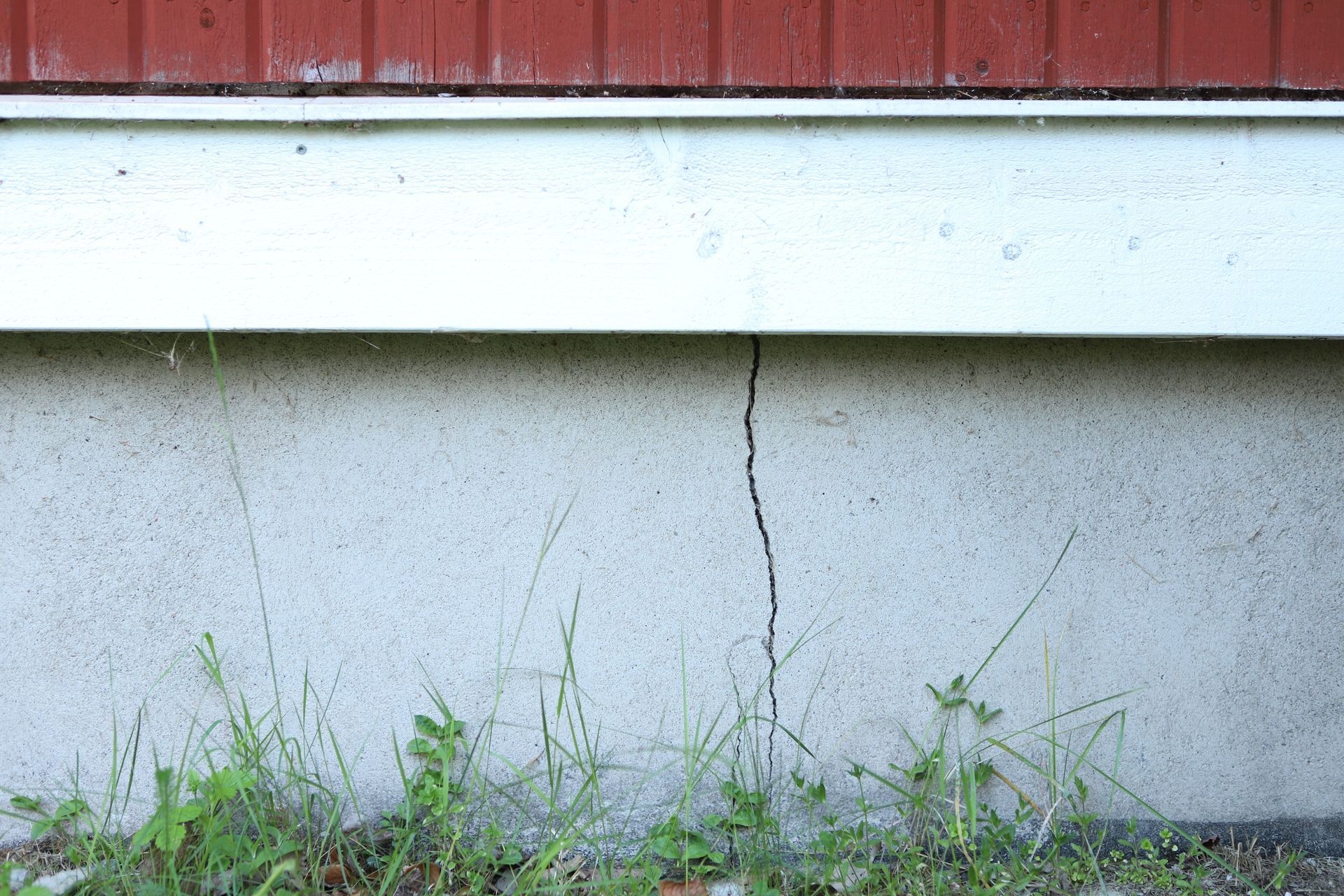
Ontario’s climate is notorious for its cycles of freezing and thawing. During winter, moisture finds its way into the smallest of cracks in your home’s foundation. As temperatures drop, that moisture freezes, expands, and forces those tiny cracks to widen. Layer after layer, freeze-thaw cycles can turn a hairline fracture into a significant weakness.
When spring temperatures rise, all the snow and ice around your foundation starts to melt. This creates hydrostatic pressure as groundwater increases, pushing moisture toward every potential entry point in your basement or crawlspace. If your foundation is already compromised by cracks, these become a welcome path for water intrusion.
Hidden Costs of Delaying Repairs
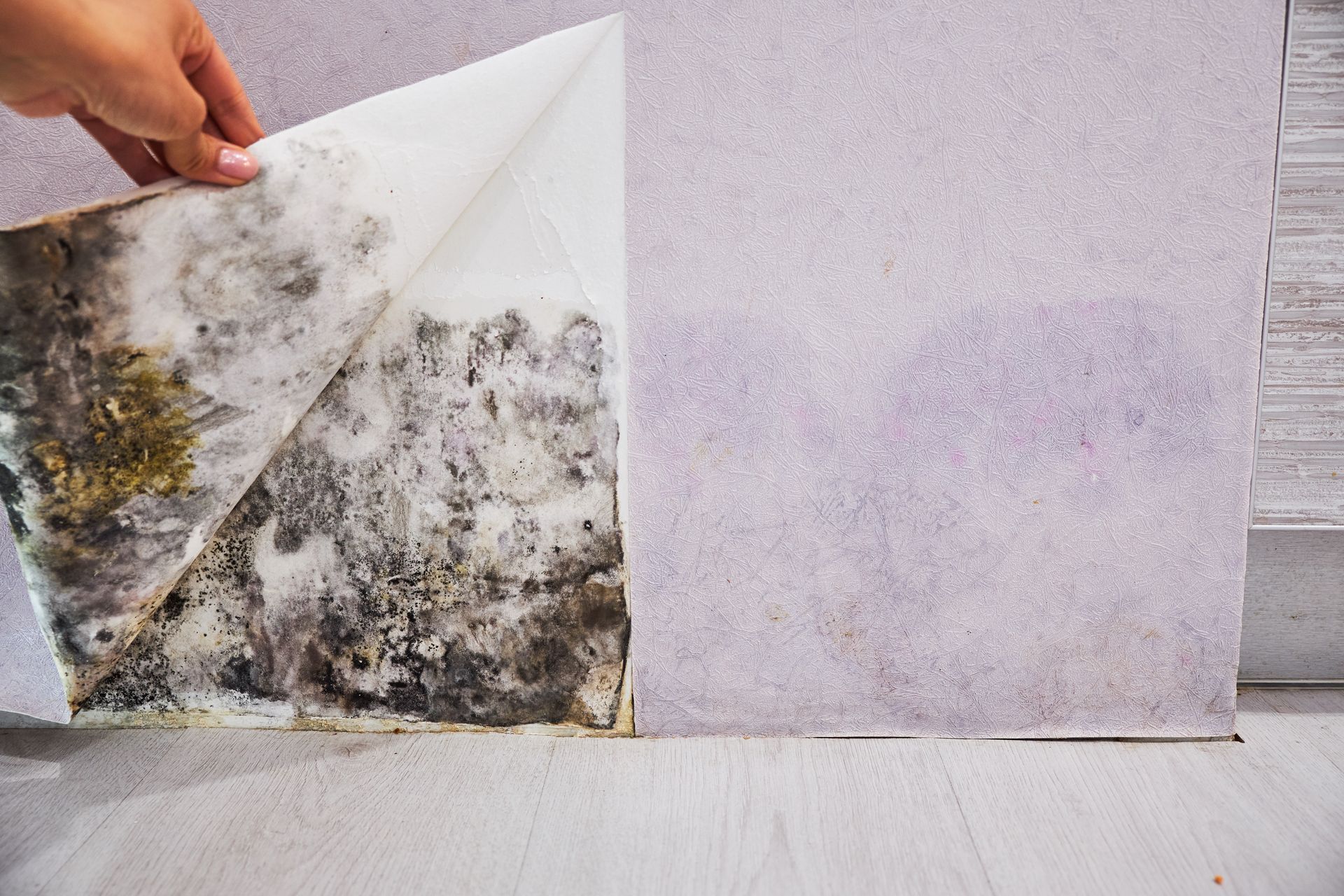
Ignoring foundation cracks before the spring thaw can have expensive consequences. Water seepage through cracks leads to damp basements, musty odours, and, eventually, visible mold or mildew. Prolonged moisture accelerates structural decay—not only does this impact your property’s resale value, but it can make your home unsafe as wooden supports and even concrete begin to deteriorate.
Small cracks, if left unaddressed, may be repairable now with minimally invasive methods such as polyurethane injection or epoxy sealing. Post-thaw, larger cracks may require more complex solutions, including excavation or the addition of drainage systems, which quickly escalate repair costs.
Health Risks of Unrepaired Foundation Cracks
Moisture entering your basement or crawlspace isn’t just an inconvenience—it’s a health hazard. Damp conditions promote the growth of mold, which can trigger respiratory illnesses, allergies, or worsen conditions like asthma. Children, elderly individuals, and those with compromised immune systems are at particular risk. Even if you can’t see obvious leaks, musty smells or peeling paint are signs of danger lurking behind the walls.
How Early Repair Protects Your Home
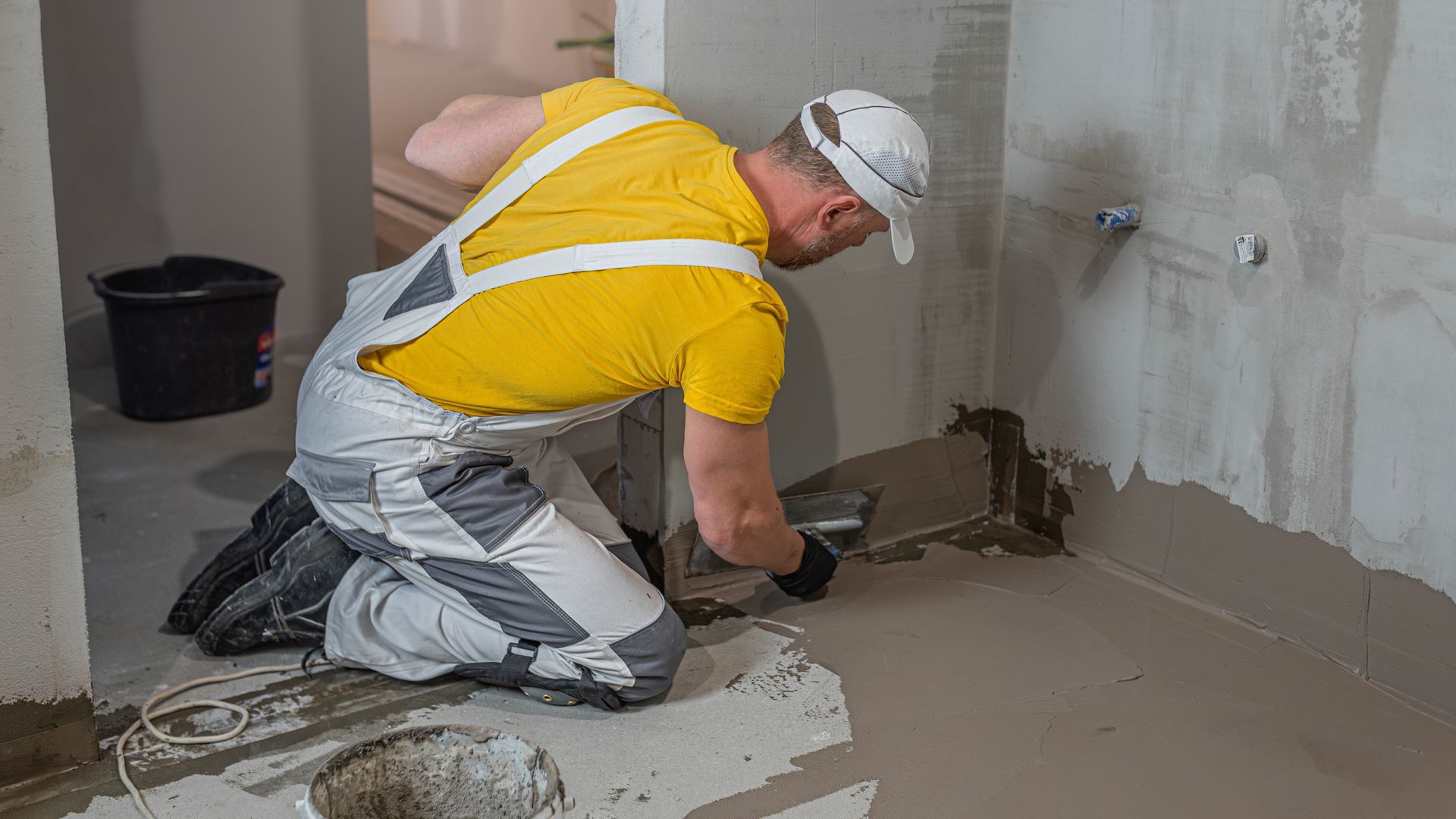
Addressing foundation cracks ahead of the spring thaw means you can choose the best repair methods for the conditions at hand. Professional contractors can properly assess the size and cause of the crack, recommend proven solutions, and ensure repairs stand up to the stresses of freeze-thaw cycles. Application of high-quality sealants during the colder months forms a robust, flexible barrier that keeps water out when the melting snow arrives.
Repairing cracks before spring also gives you the upper hand when it comes to regular maintenance. The perimeter of your home remains stable, basement humidity stays low, and you reduce the likelihood of unexpected flooding, damage, or last-minute emergency calls for help.
What to Look for Before the Thaw
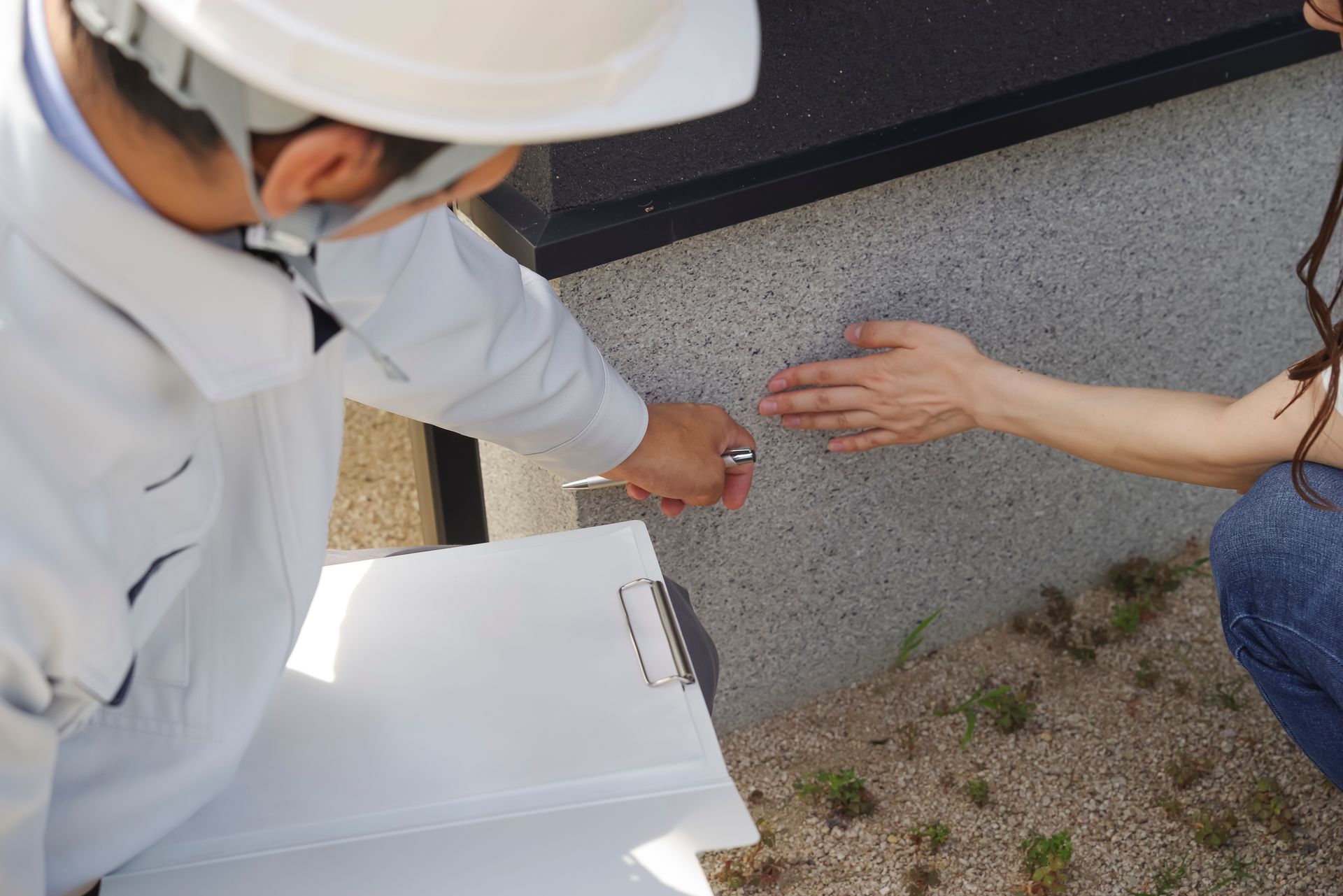
Homeowners should conduct a careful walk-around inspection as winter ends. Key warning signs include visible cracks on the interior or exterior foundation walls, especially those that run vertically or diagonally. Noticeable widening of old cracks, uneven floors, doors or windows that stick, or any sign of water staining on basement walls deserve immediate attention.
If you see powdery white deposits on concrete (known as efflorescence), this indicates water migration and salt deposits. Musty smells, flaking paint, and condensation are additional red flags. A professional assessment allows for moisture measurements, structural inspection, and advanced crack detection techniques to catch issues early.
Professional Solutions vs. DIY Patch Kits
While DIY crack fillers are available, they often provide only cosmetic improvement and may not address underlying causes such as soil movement, improper drainage, or hydrostatic pressure. Professional repair techniques go deeper—methods like polyurethane crack injection penetrate the full depth of the crack, expand to fill voids, and provide a flexible seal that holds up against future movement.
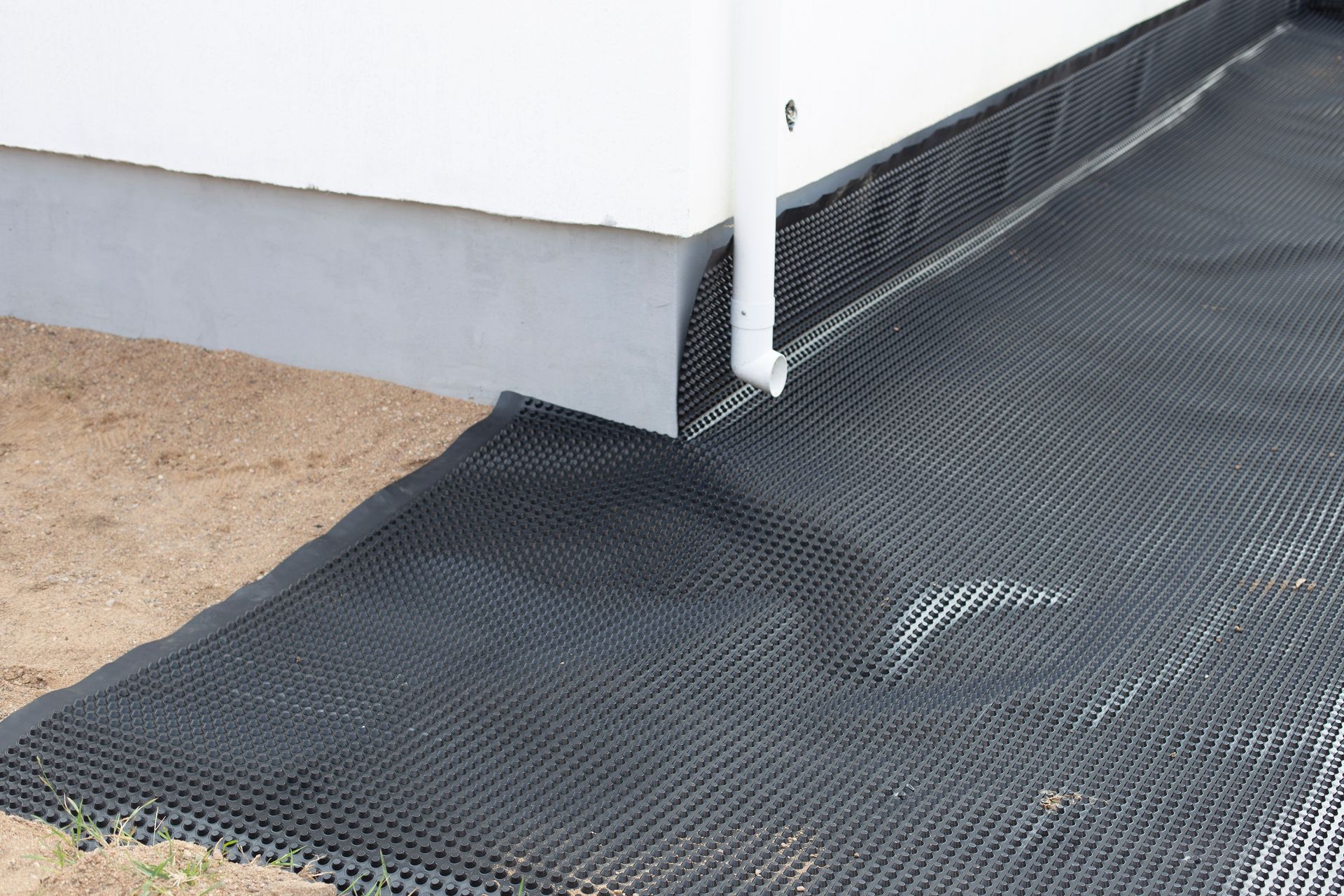
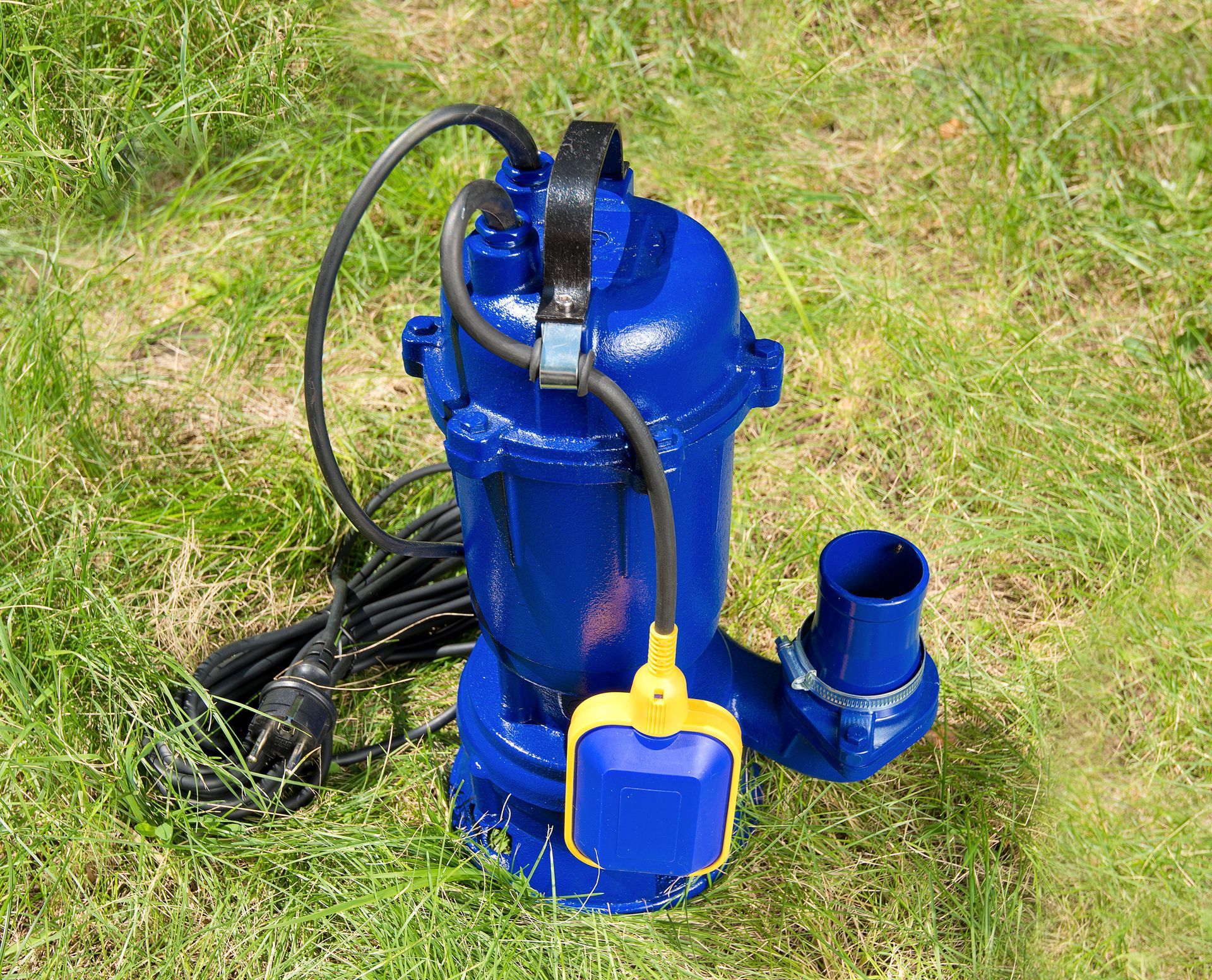
Foundation repair experts also look at the surrounding grade, drainage, and potential sources of excess water. By combining targeted crack repair with improvements to weeping tile systems or sump pumps where necessary, your home gains comprehensive protection—not just a superficial fix.
Now Is the Time to Act
Delaying foundation crack repair until after the spring thaw can invite costly, complicated, and disruptive problems. Ontario winters are tough enough on homes—don’t let hidden cracks set the stage for major headaches when warmer weather arrives.
Contact us to book an inspection now. Ensure your foundation is strong, sealed, and ready for spring. A proactive repair today means peace of mind for every season to come. Safeguard your family, protect your investment, and enjoy a dry, healthy basement this year and every year after.
Share This Blog