7 Essential Winter Waterproofing Tips for Ontario Homeowners
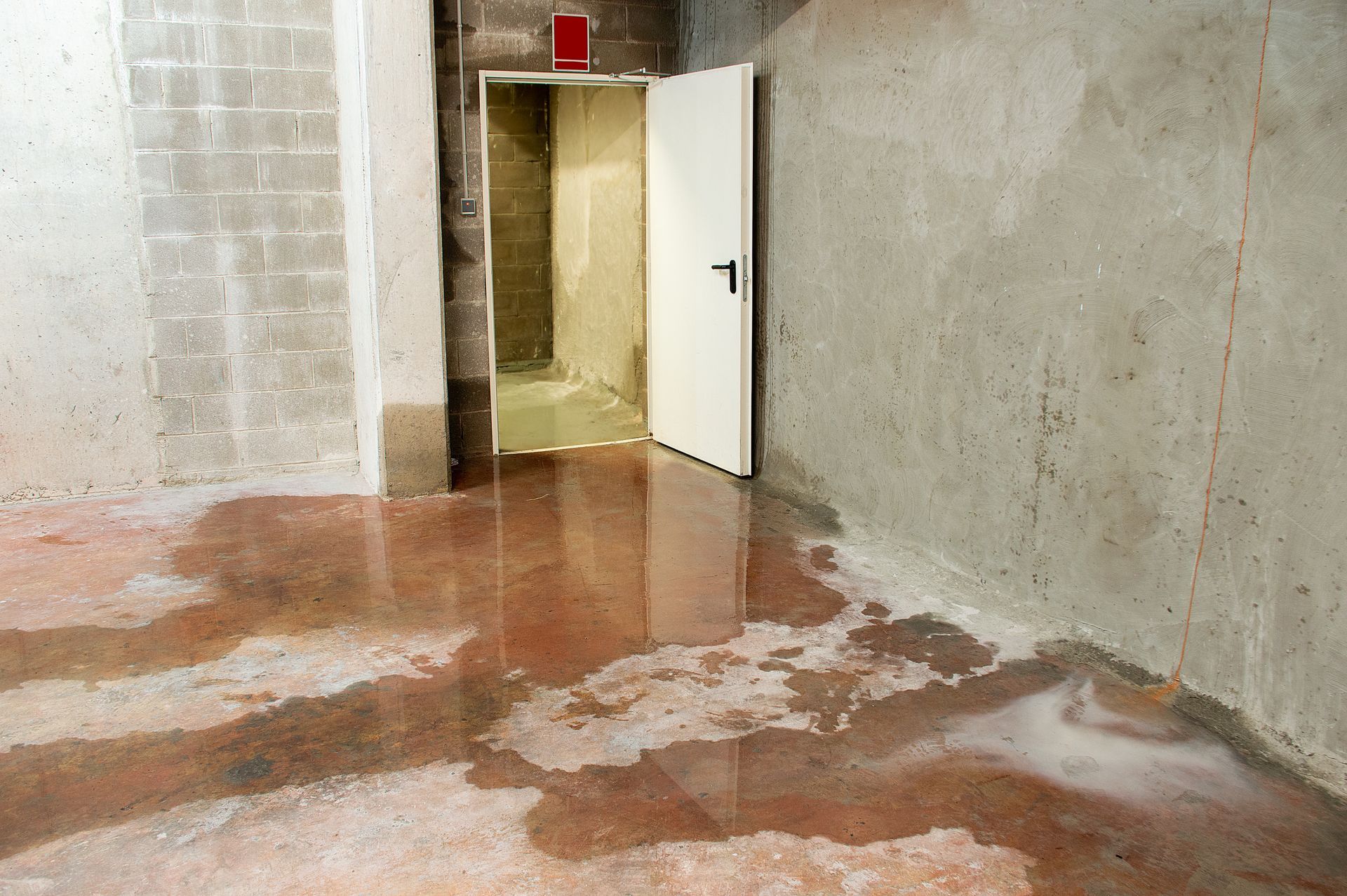
Winter in Ontario brings stunning snowfalls and festive holidays, but it also ushers in a season known for water-related challenges for homeowners. As temperatures drop and precipitation rises, your home is at increased risk of water intrusion, leaks, and even serious foundation issues. Winter-proofing should be a top priority to ensure a dry, comfortable, and safe living environment for you and your family. Here are seven essential winter waterproofing tips every homeowner in Dundalk and the surrounding Ontario communities should know.
Inspect and Repair Foundation Cracks
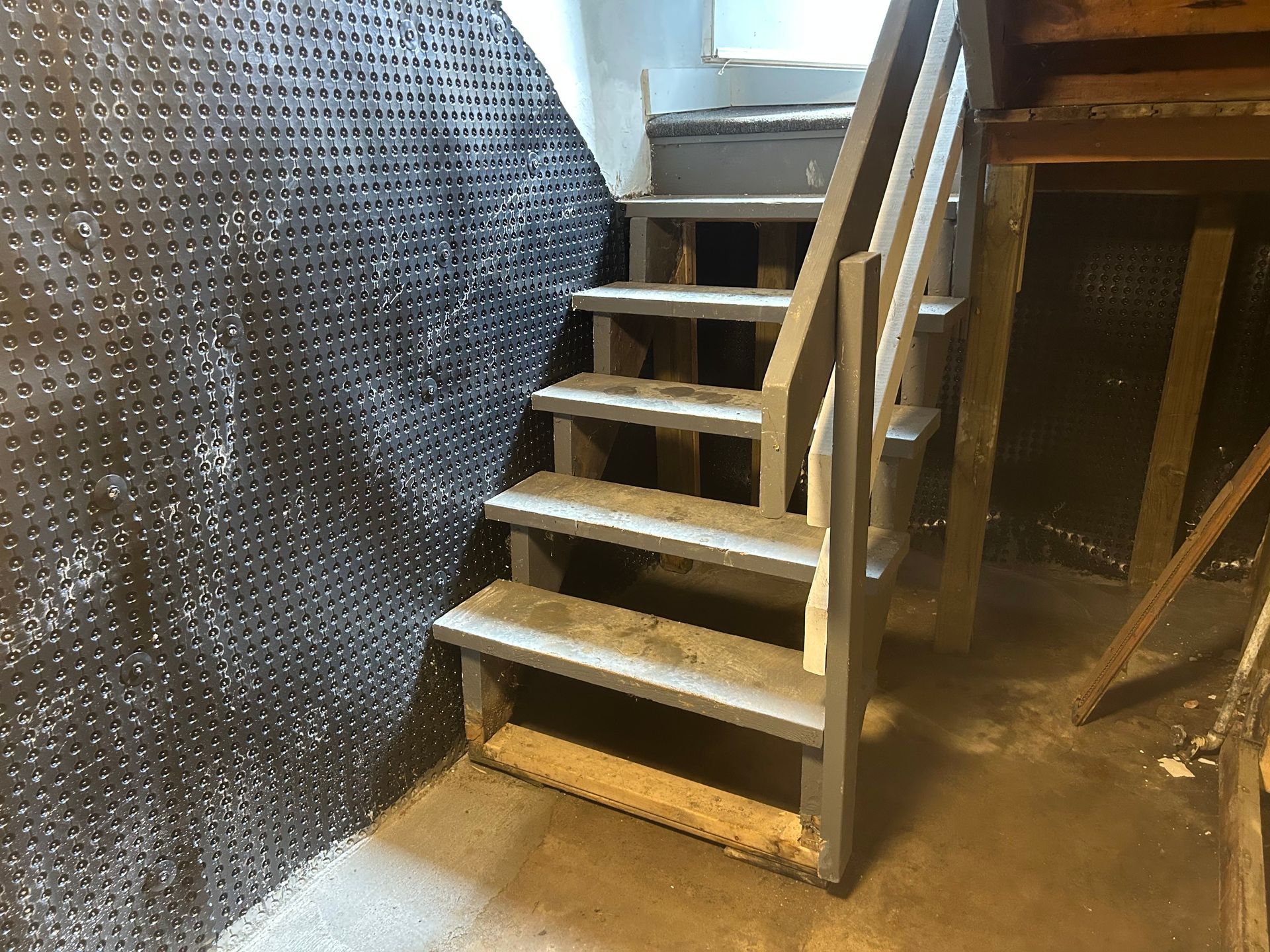
One of the most vulnerable areas of any home during winter is the foundation. Even small cracks can provide a path for water to seep in, which is particularly dangerous during freeze-thaw cycles. Snow and ice melt can exploit these tiny openings, and as temperatures fluctuate, the expansion and contraction of water can make cracks bigger over time. Start the season with a careful inspection of your foundation’s interior and exterior walls. Look for visible cracks and water stains. Professional repair with polyurethane crack injection can stop leaks before they start, keeping your basement or crawlspace dry all winter.
Clear Gutters and Downspouts
Clogged gutters trap water, which can freeze, add weight, and even damage your gutters, soffits, and siding. Moreover, when water overflows, it may pool near your home’s foundation and seep into your basement or crawlspace. Before the first snowfall, remove all leaves, twigs, and debris from your gutters and make sure downspouts drain at least three feet away from your foundation. Consider installing gutter guards to minimize future clogs and keep water draining properly during the winter months.
Ensure Proper Grading Around Your Home
The landscape around your foundation can either help or hinder your waterproofing efforts. If the ground slopes toward your home, water from melting snow and rain can quickly find its way inside. Take a walk around your property and check for low areas or pooling water. Soil should slope away from your foundation at a gradient of at least six inches over 10 feet. Fill in low spots with soil or consult a landscaping expert to improve drainage and keep moisture away from your foundation walls.
Maintain and Test Your Sump Pump
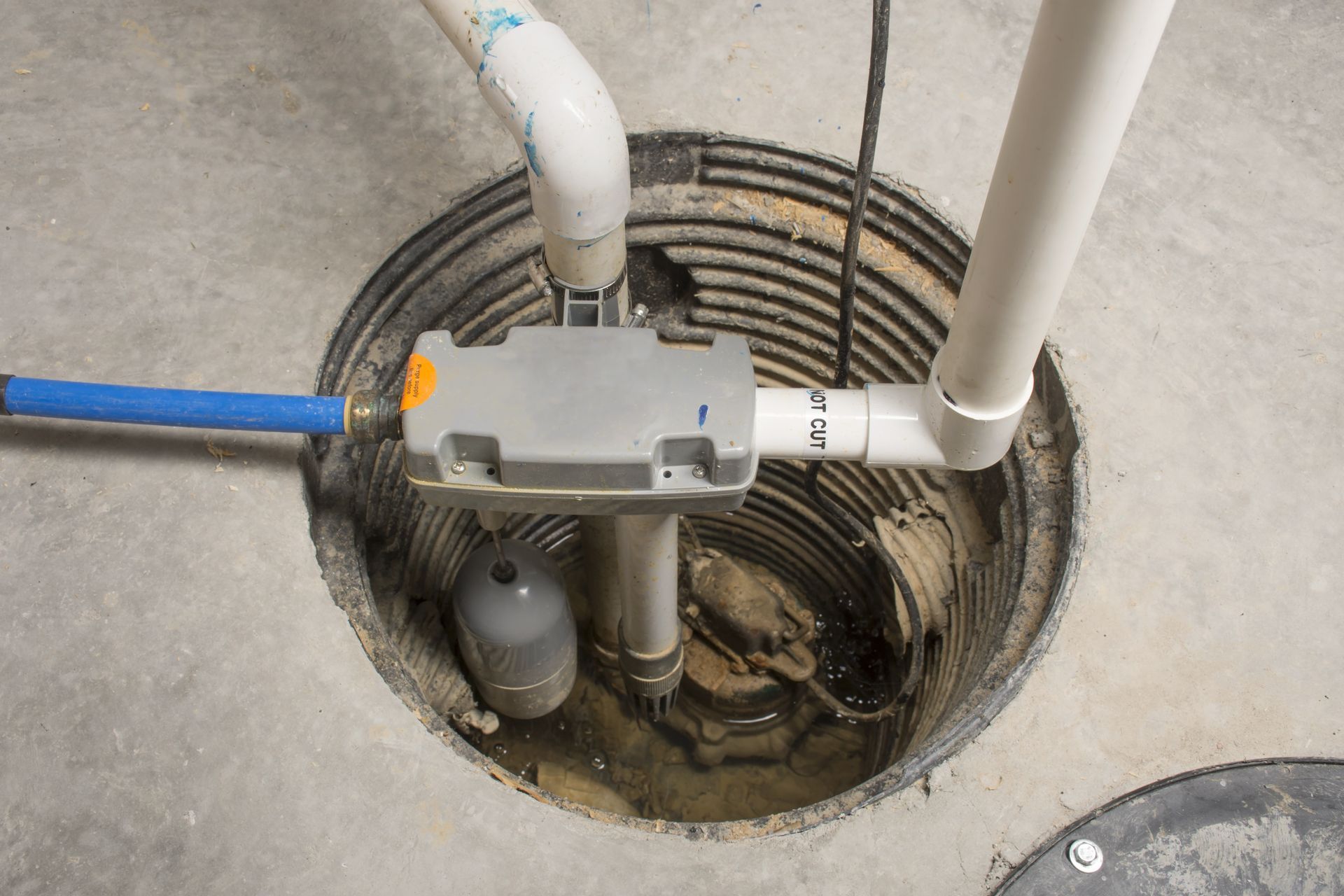
Ontario’s freeze-thaw cycles and sudden rain showers can lead to rapid melting of snow and unexpected basement flooding. A functioning sump pump is your first line of defense, but only if it works when you need it most. Test your sump pump before winter arrives by pouring a bucket of water into the pit to ensure it activates and pumps water away properly. Have your pump serviced or replaced if there are any doubts about its reliability. For added peace of mind, consider a battery backup system so the sump pump operates even during power outages.
Seal Basement Windows and Window Wells
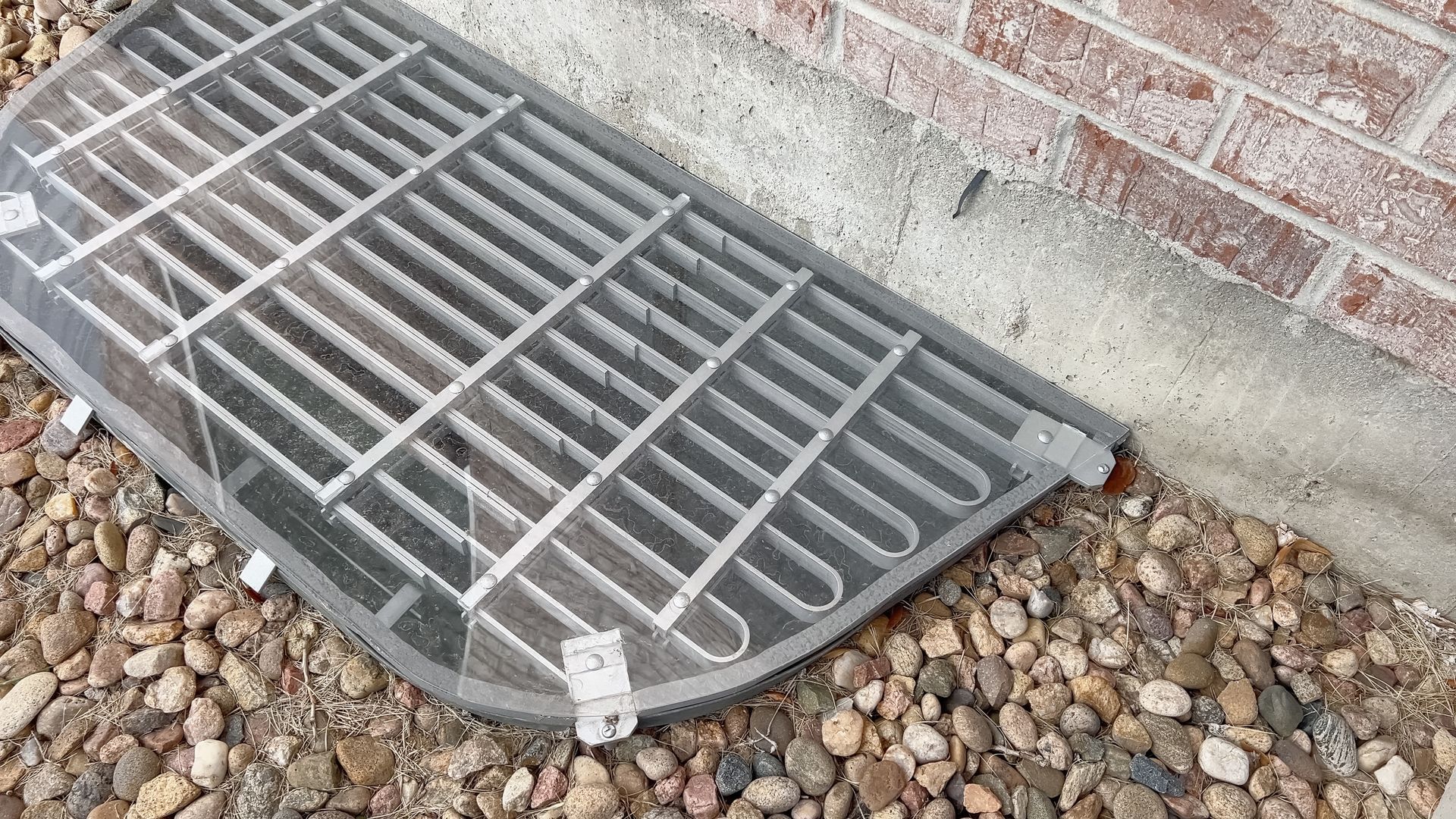
Basement windows and window wells are common points of entry for water, especially if they are old or poorly sealed. Cold weather can crack or shrink window caulking and seals, allowing drafts and moisture inside. Inspect your basement windows for signs of leaks, rust, or broken seals. Replace broken windows, repair cracked seals, and make sure window wells are fitted with covers and filled with clean gravel to promote drainage. Well-maintained window wells will keep melting snow out and prevent water damage to your basement.
Install or Upgrade Your Drainage Systems
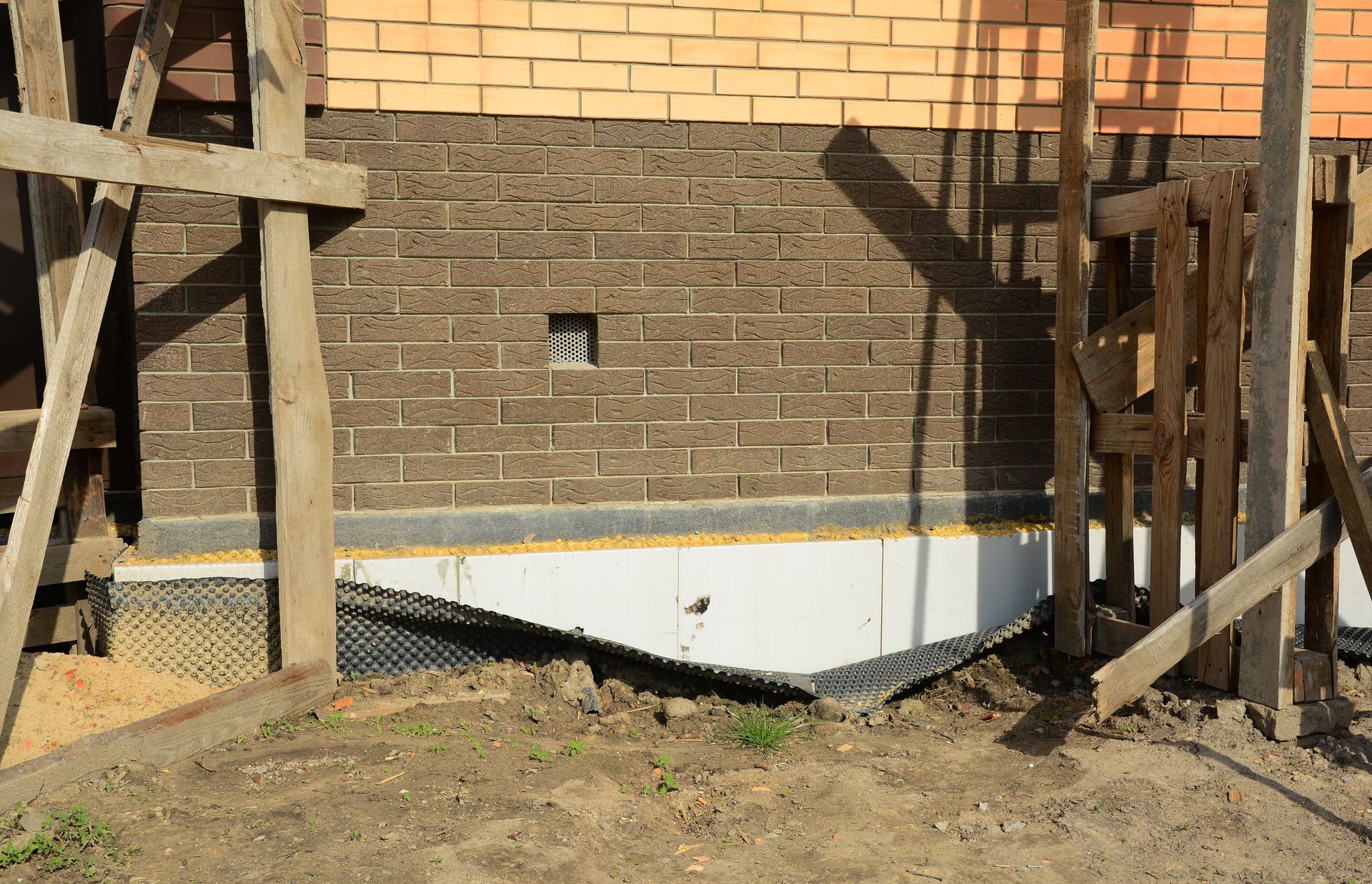
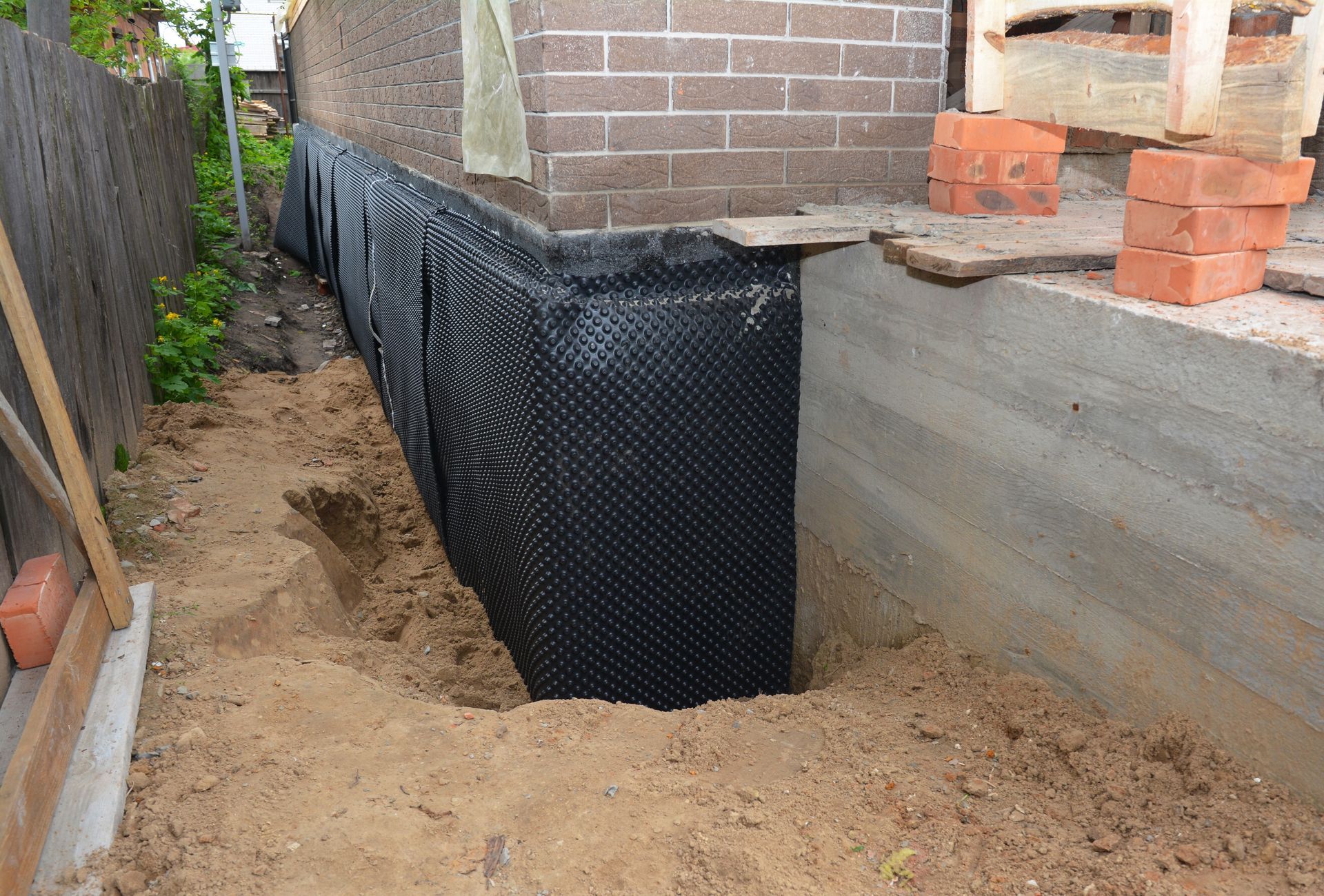
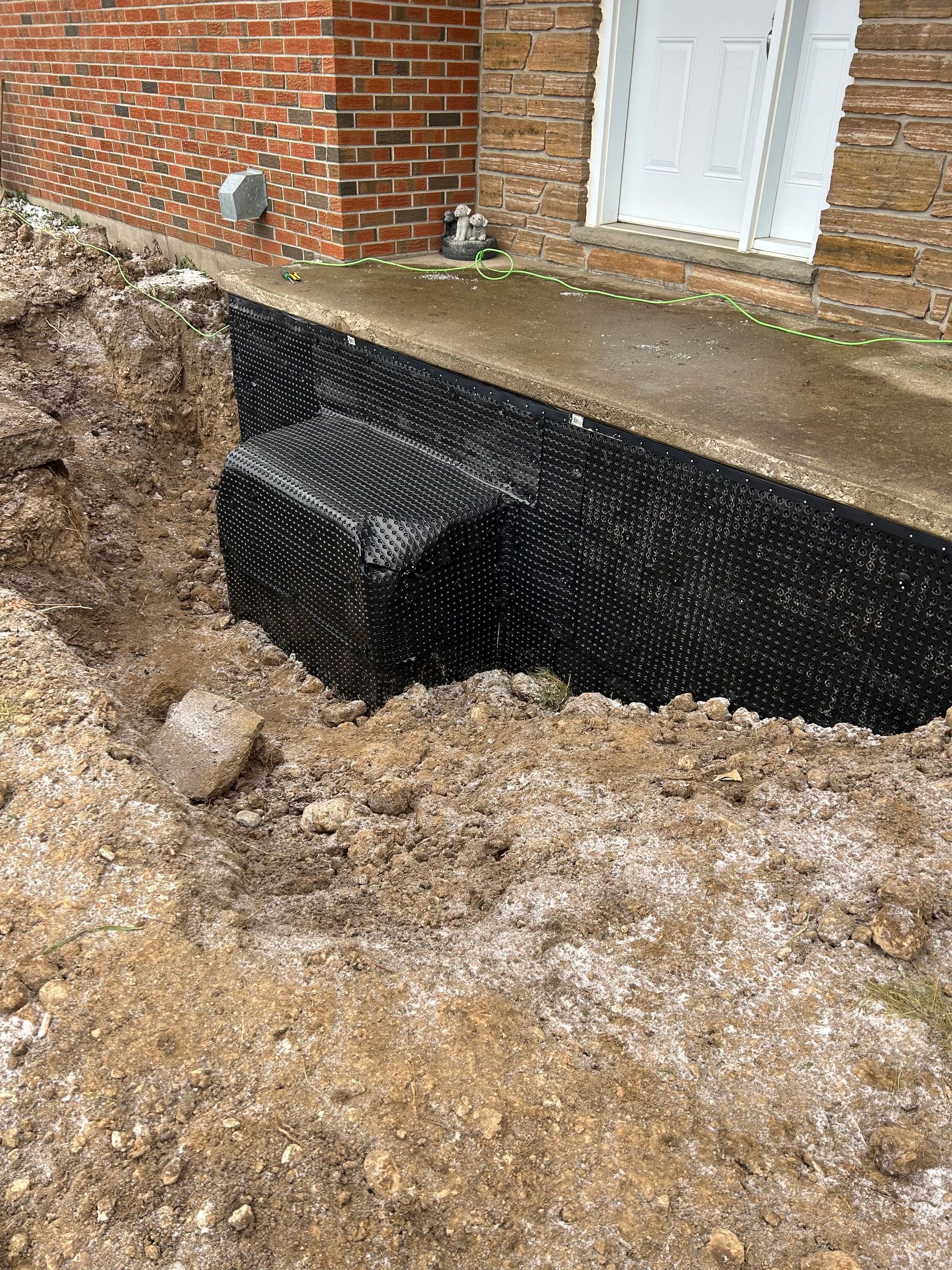
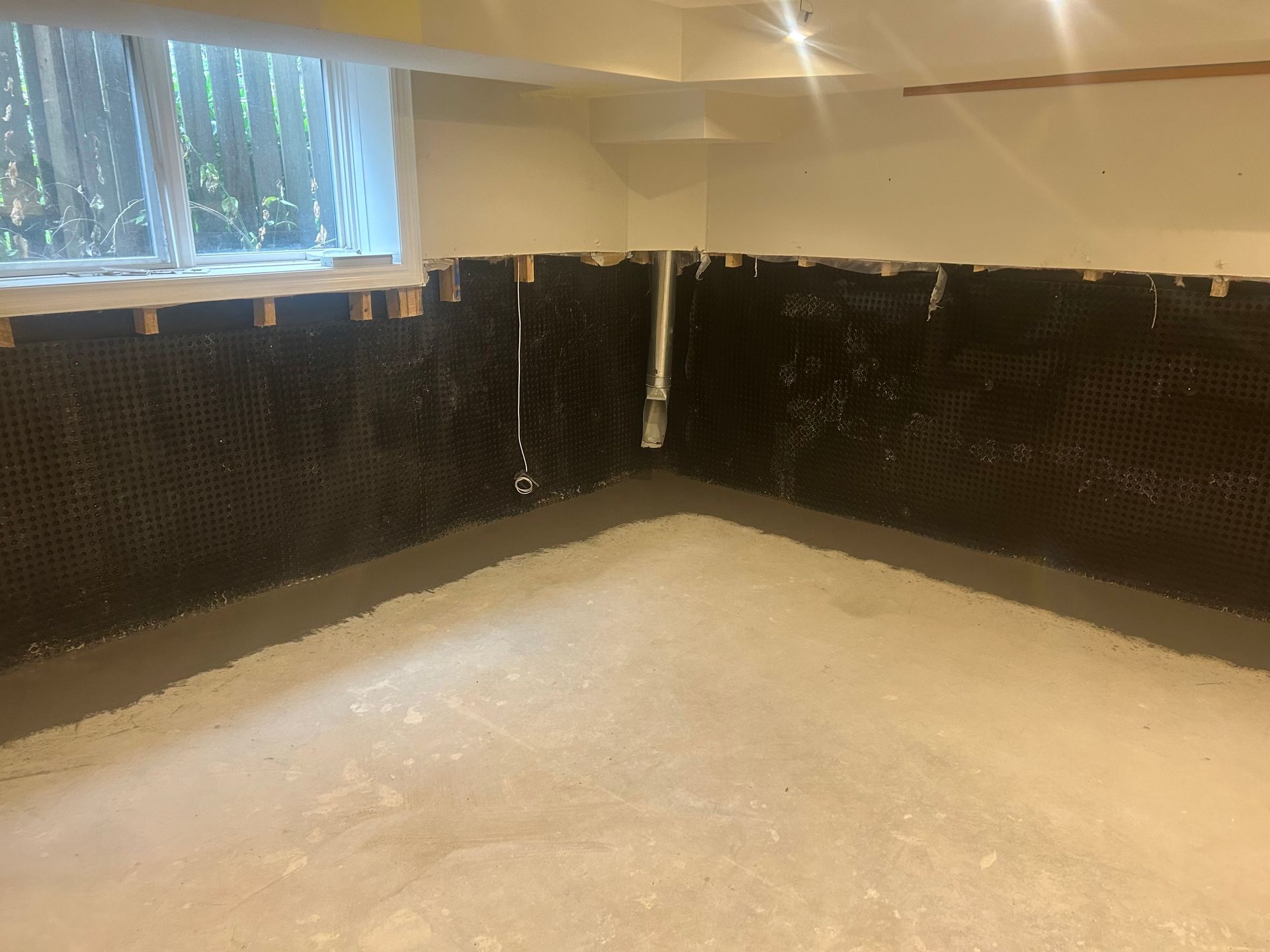
Efficient drainage systems such as weeping tiles and French drains are crucial for managing ground and roof runoff during the winter. If your home already has these, schedule a professional inspection to clear blockages and verify they are working correctly. If not, now is the time to consider installing these systems. French drains divert water away from your home, and weeping tiles ensure groundwater doesn’t accumulate near your foundation. Both systems function best with regular winter maintenance and inspections.
Control Indoor Moisture with Dehumidifiers
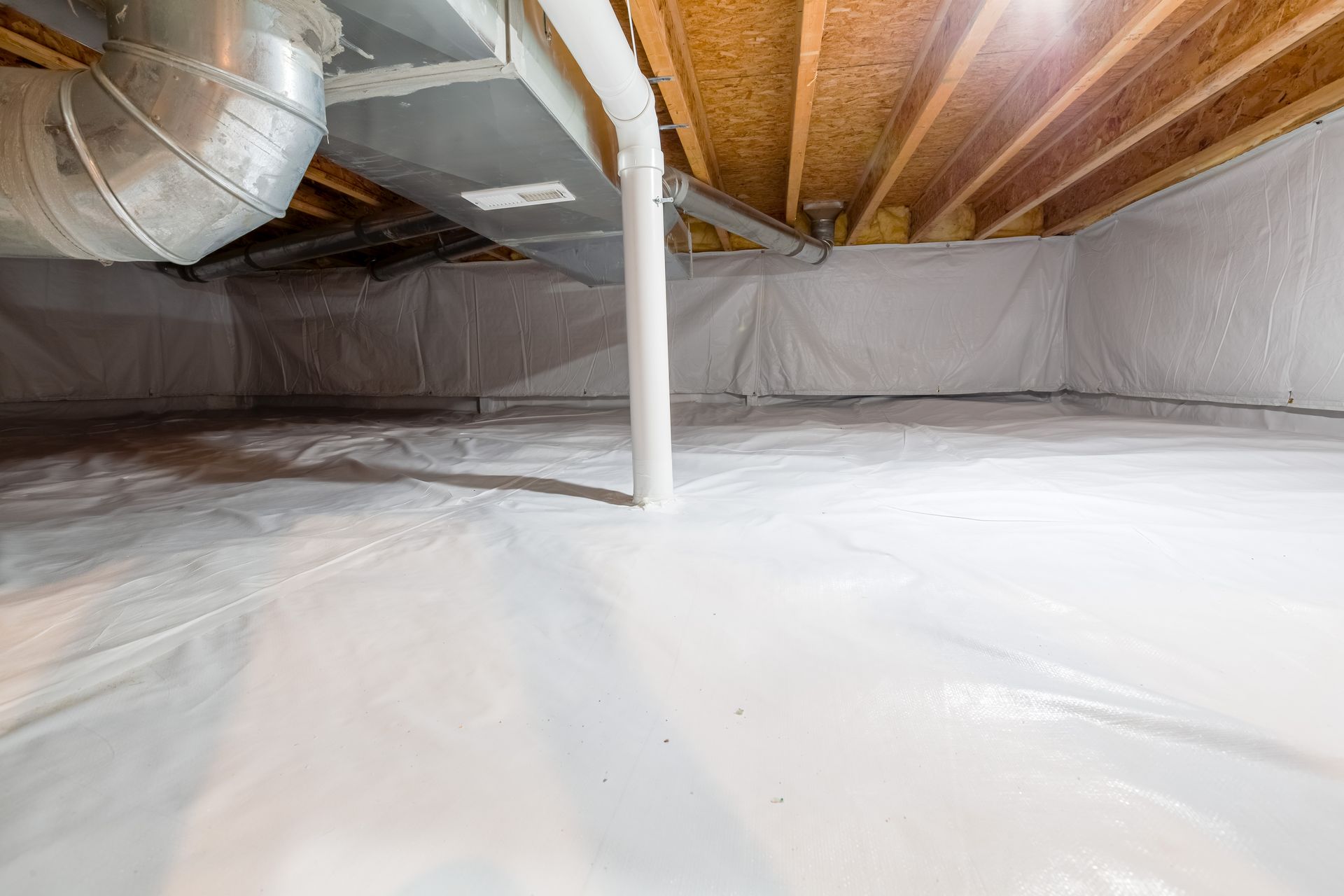
While many waterproofing efforts focus on the outside, controlling indoor humidity is just as important. Winter humidity can rise due to poor ventilation, hot showers, or drying clothes indoors, which increases the risk of mold and mildew. Using a high-quality dehumidifier in the basement or crawlspace keeps moisture levels low and prevents condensation on windows and cold walls. This not only improves air quality, but also helps to avoid the costly repairs associated with persistent dampness.
Ready to Protect Your Home This Winter?
Winter in Ontario can be harsh, but with the right waterproofing strategies, you can safeguard your home from leaks, flooding, and water damage. Regular inspection, maintenance, and timely upgrades of drainage systems, foundation repairs, and humidity control devices will keep your home cozy and protected all season long. If you have any concerns about your property’s resistance to winter weather or want professional support preparing your home, reach out to the trusted team at Perimeter Water Solutions Corp. Schedule your inspection or waterproofing service today and enjoy a worry-free winter in your Dundalk home.
Share This Blog