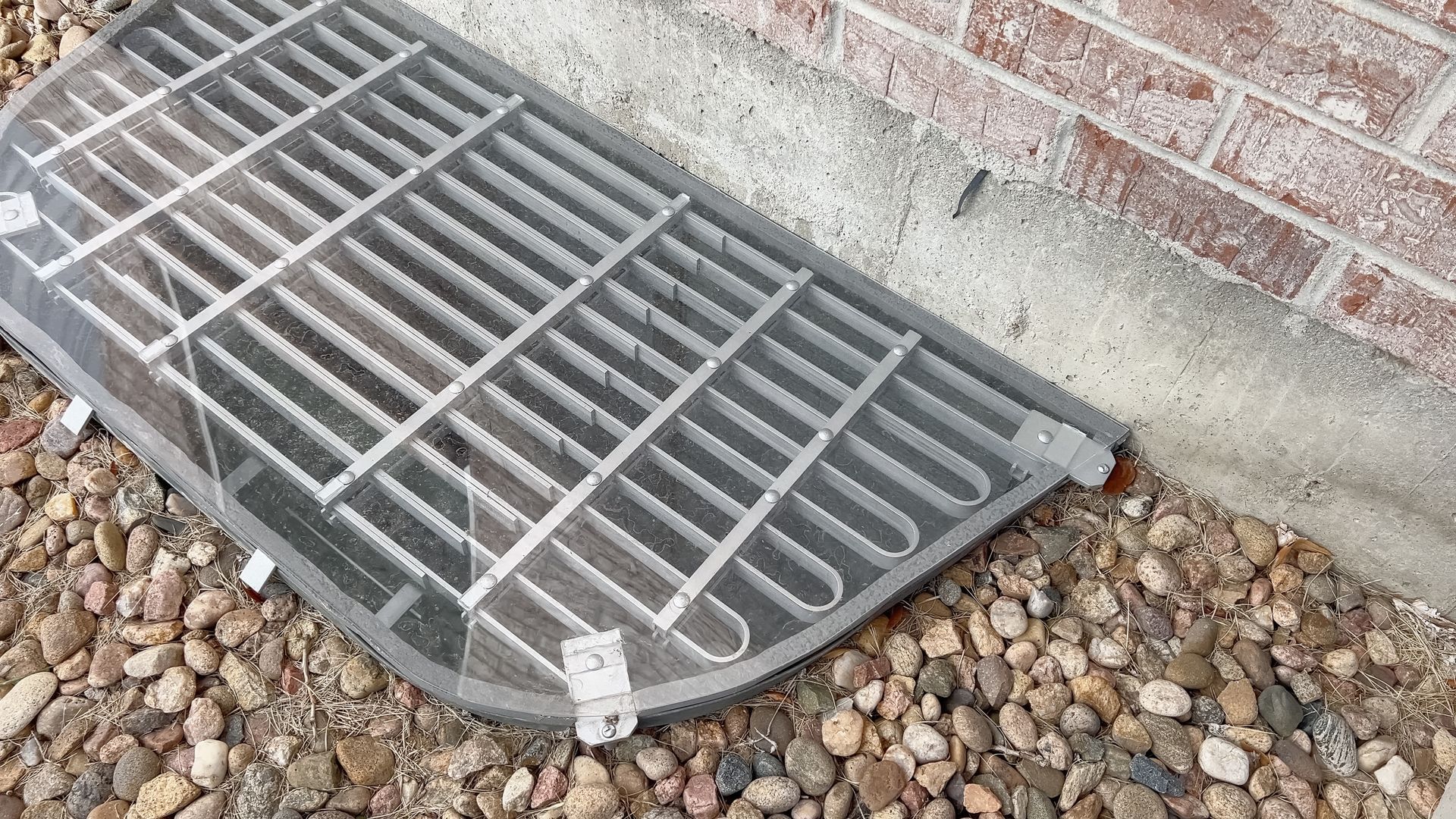
Window Wells: How to Prevent Winter Drainage Issues
Winter in Ontario can be especially tough on homes, with heavy snowfall, rapid freeze-thaw cycles, and rain all putting your property’s foundation and basement at risk. Window wells, while essential for basement light and ventilation, are one of the most vulnerable areas to drainage issues during the colder months. Without proper maintenance and safeguards, water can accumulate in window wells and leak into your basement, causing costly water damage and potential mold growth. Here’s what you need to know to keep your window wells dry and your basement protected throughout the winter season.
Understanding the Importance of Window Well Drainage
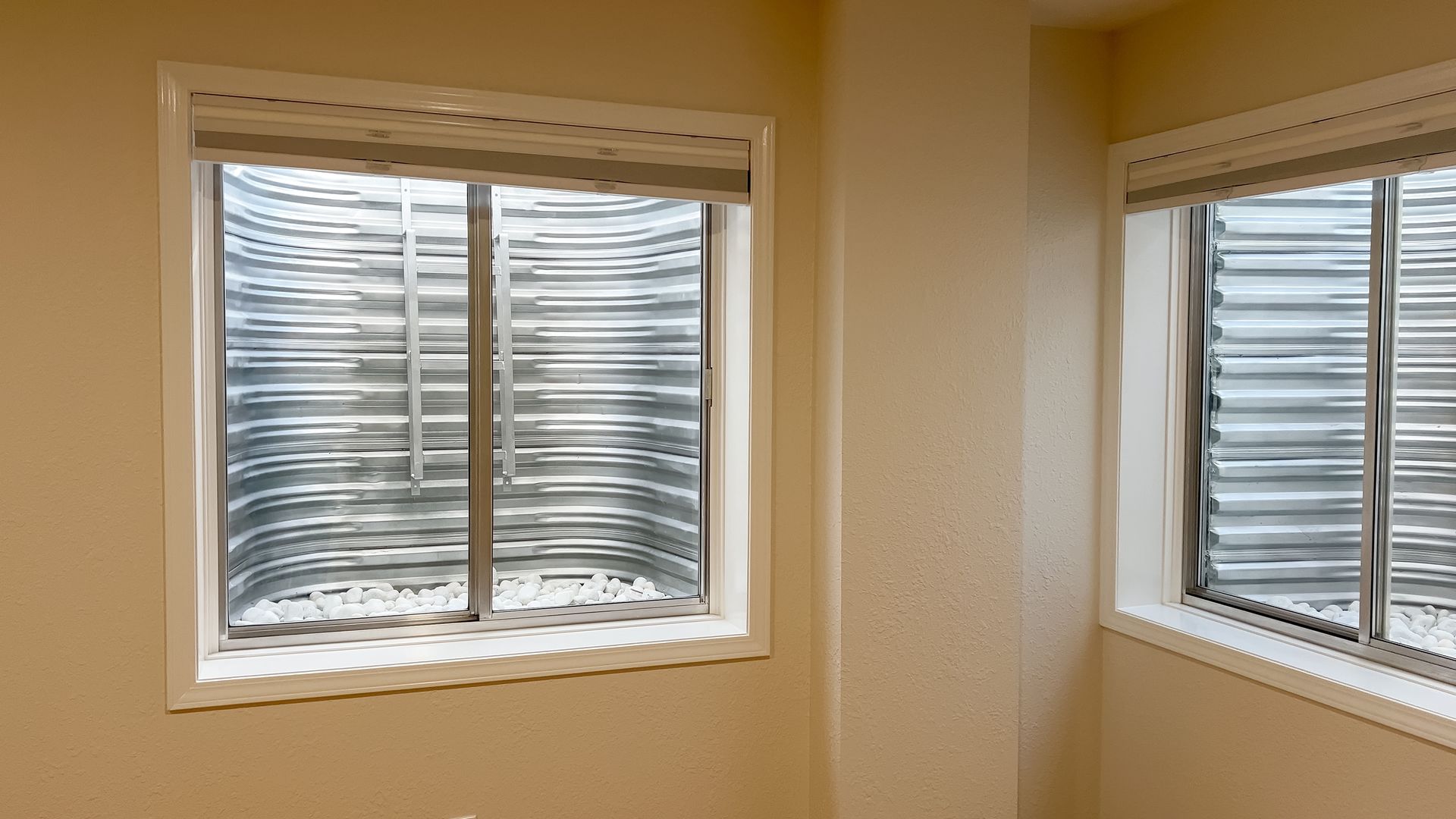
Window wells play an important role in keeping your basement dry and bright. They are designed to create space around below-grade windows, prevent soil from pressing against the glass, and provide an emergency exit in some cases. However, without effective drainage, water and melting snow can collect inside window wells, especially during periods of rapid thaw, heavy rain, or blocked drainage systems.
Pooling water in a window well can quickly seep through window seals and cracks, leading to interior leaks, water staining, and structural damage. Left unchecked, this moisture can also create the perfect breeding ground for mold and mildew, threatening the air quality and overall safety of your home. For homeowners in Ontario, understanding how to optimize window well drainage is essential for winter home maintenance.
Signs Your Window Wells Need Attention
Several red flags indicate possible window well drainage issues:
- Standing water or visible pooling after snow or rain
- Dampness or leaks on the basement wall below ground-level windows
- Musty odors in and around the basement area
- Soil erosion or shifting gravel inside the well
- Deteriorating or rusted window well liners
Spotting these warning signs early means you can address the issues before they escalate into major repairs.
Steps to Prepare Window Wells for Ontario Winters
Proper maintenance and a few strategic upgrades can make a significant difference in preventing drainage problems during winter. Here are key steps homeowners should take:
Clear Debris and Ensure Proper Grading
Start by removing leaves, dirt, and debris from window wells. This keeps the drainage system unblocked, ensuring water flows away from your windows rather than pooling inside the well. Check that the grading around your window wells slopes away from the foundation so that runoff is directed outwards rather than toward the house.
Check and Maintain Drainage Pipes
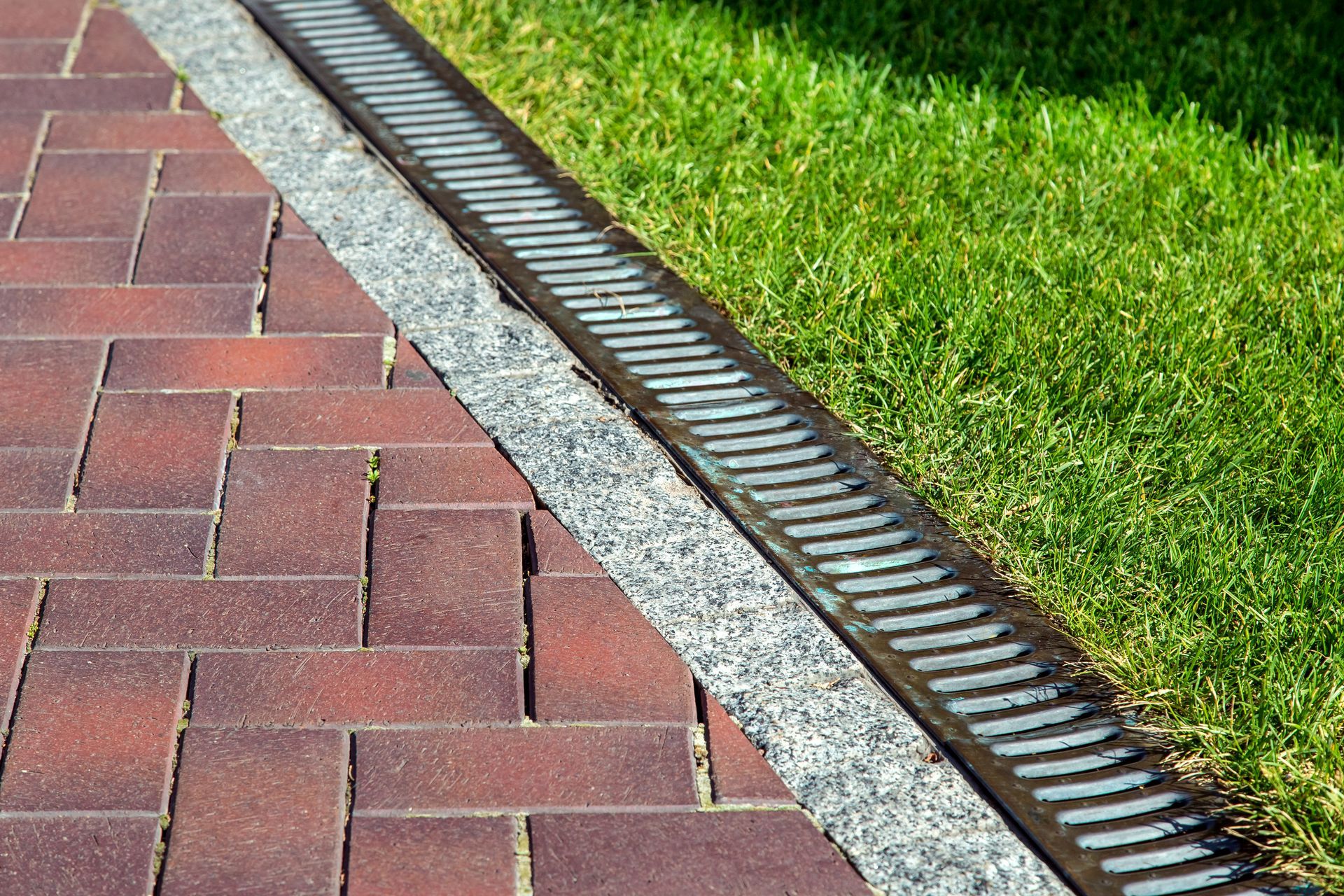
Most window wells have a built-in drain at the bottom, which leads water away from your foundation. Pour water into the well to ensure it drains quickly. If it pools or drains slowly, the pipe may be clogged with silt, roots, or debris. Regularly inspect and, if needed, flush or snake out the pipe to keep it clear, especially before winter sets in.
Upgrade Window Well Covers
A high-quality, properly fitted window well cover can prevent rain and snow from collecting inside the well. Consider using polycarbonate or reinforced metal covers that allow light to pass through but keep out moisture and debris. Make sure the cover sits flush against the foundation and is securely fastened to withstand strong winter winds.
Install Clean Gravel for Better Drainage
Replacing soil with clean, washed gravel at the base of your window wells improves drainage significantly. Gravel acts as a filter, allowing water to seep through to the drain while keeping silt and debris out. A depth of at least 6-8 inches of gravel is usually recommended for Ontario homes. Over time, gravel can get compacted or contaminated; refreshing it every few years helps maintain effective drainage.
Address Foundation Cracks and Seals
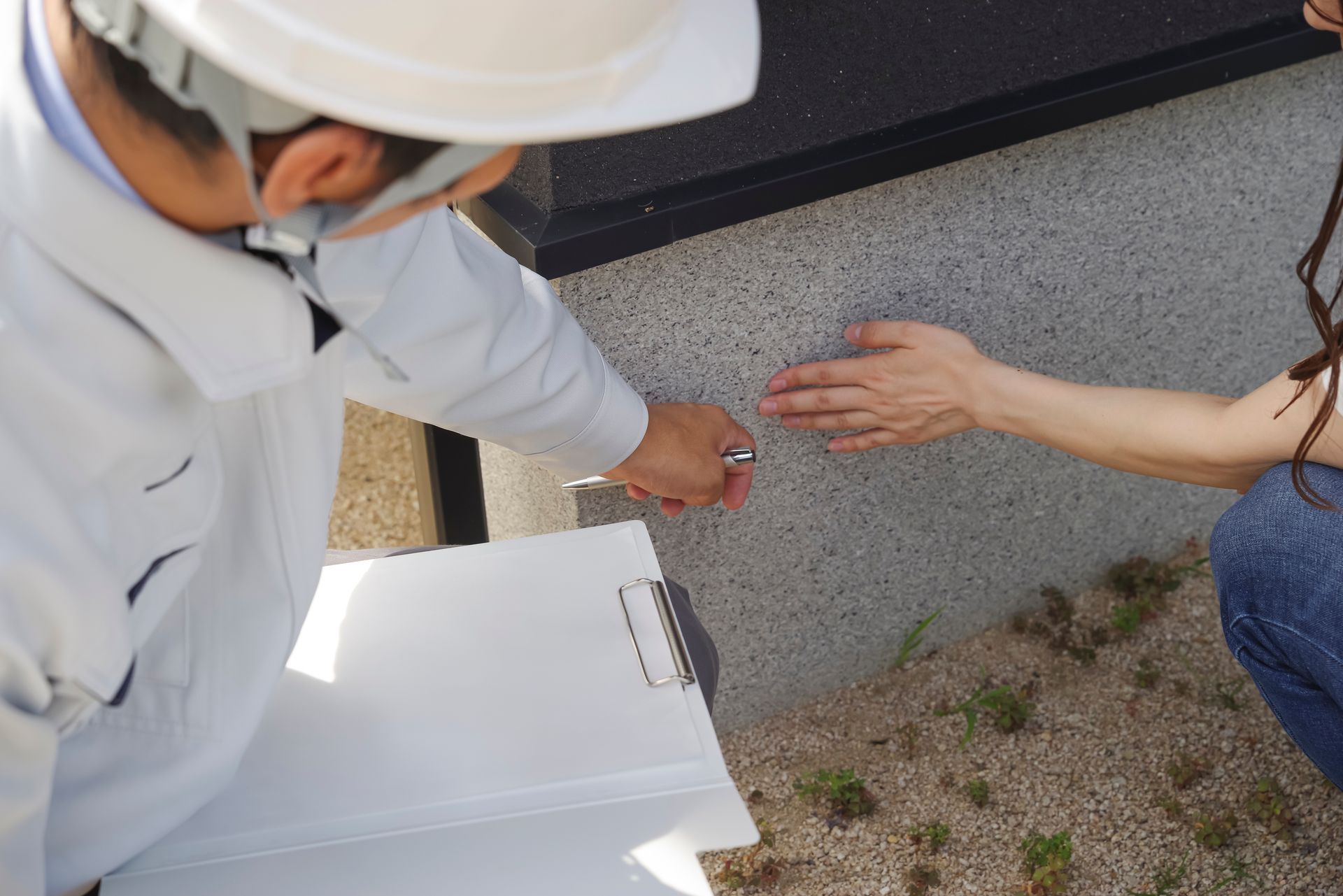
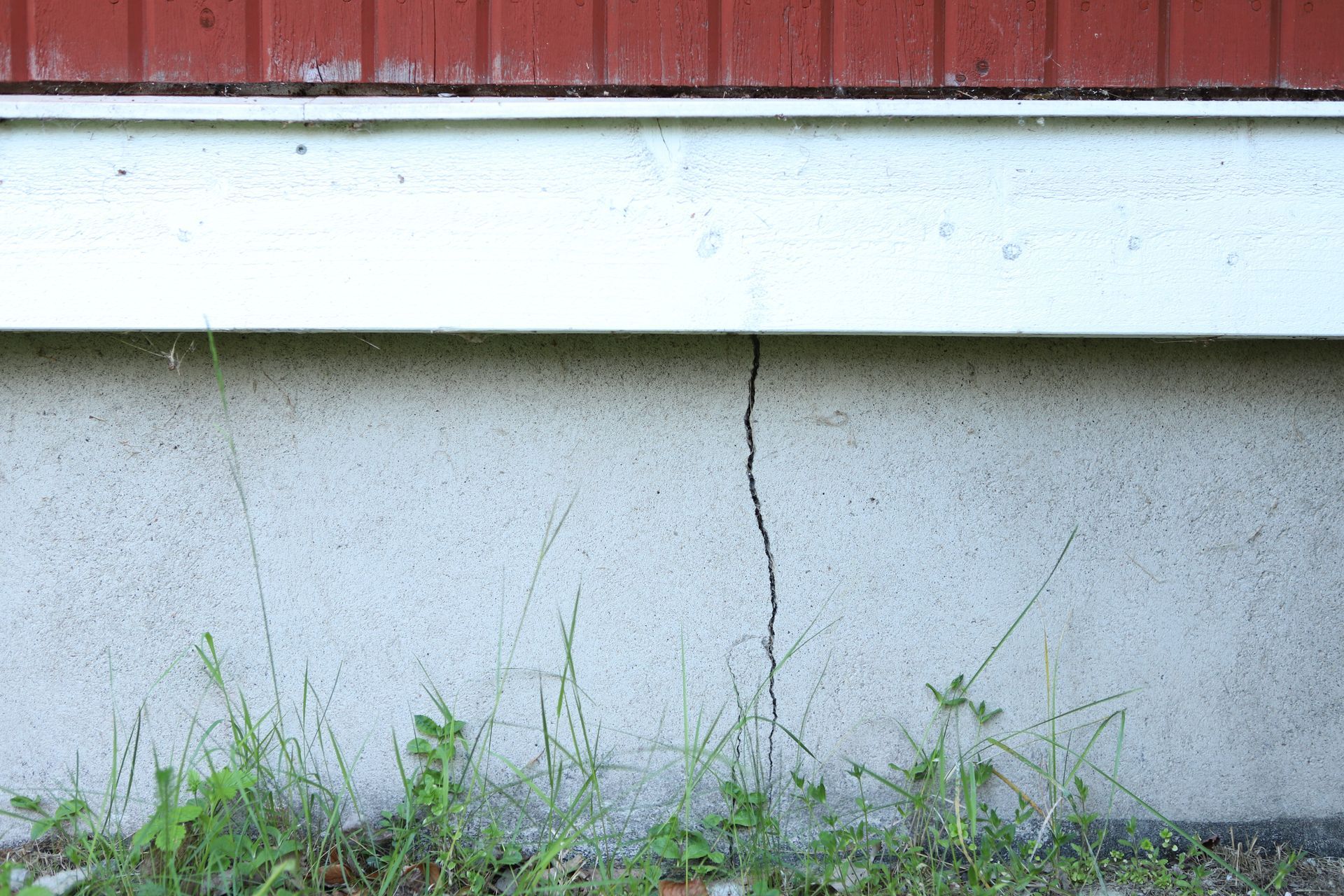
Water will always take the path of least resistance, and cracks around basement windows offer an open invitation. Inspect the window well walls and foundation for visible gaps, deteriorating sealant, and cracks. Make repairs with high-quality sealants or schedule professional foundation crack repair to prevent seepage.
Consider Professional Window Well Excavation
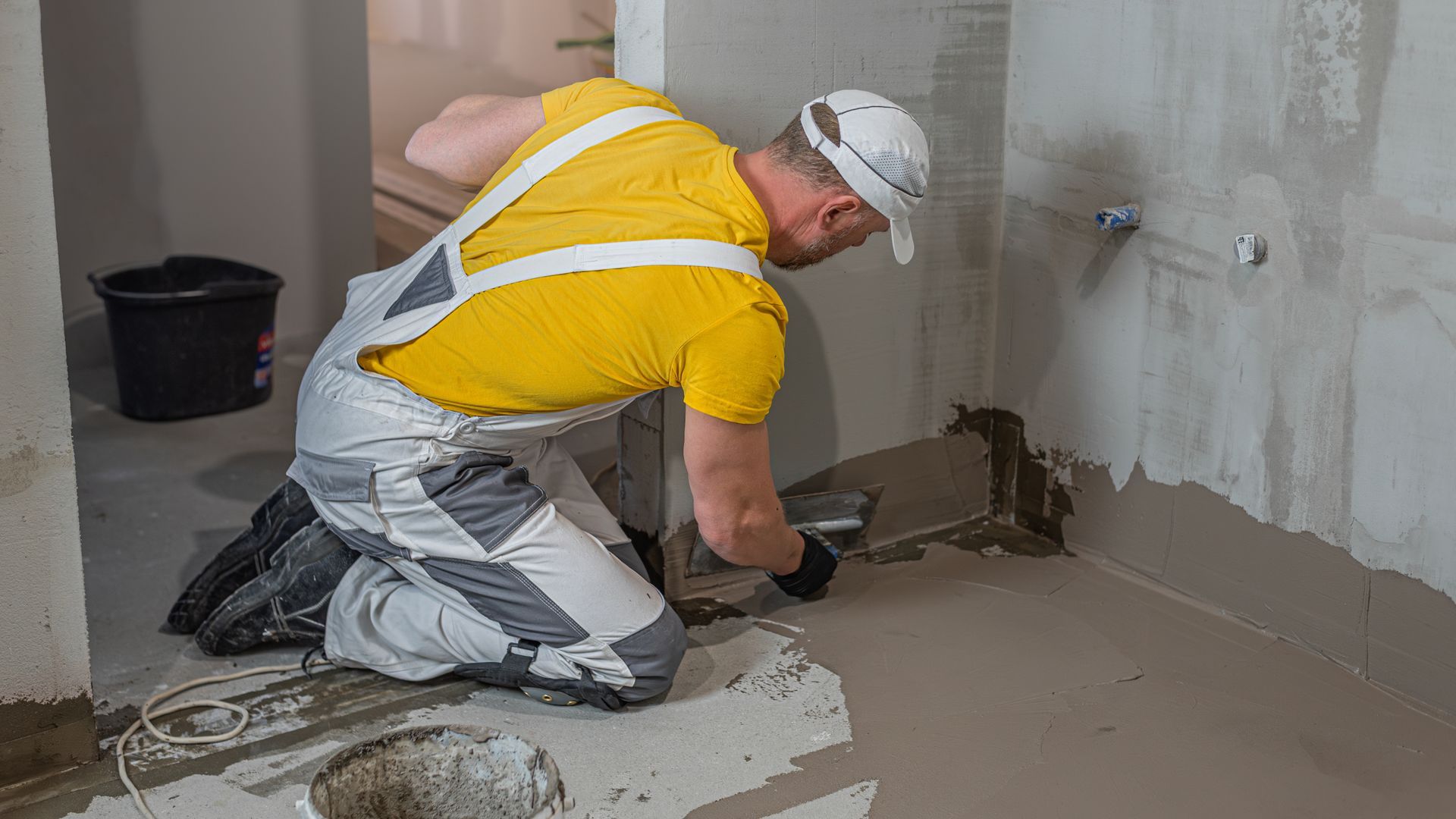
Some drainage issues are more complex, such as poor installation, persistent blockages, or wells set below the water table. Professional excavation and installation ensure your window well is the correct depth, fitted with proper drainage pipes, and backfilled with effective drainage materials. Experts can also recommend and apply waterproofing membranes to minimize long-term risks.
Safeguard Your Basement This Winter
Consistent maintenance and quality materials are the best defenses against winter drainage issues and basement leaks originating from window wells. Don’t wait until you see water stains or smell musty odors; strategic prevention will save time, money, and headaches in the long run.
For homeowners in Dundalk, North York, Kitchener and throughout Ontario, Perimeter Water Solutions Corp. is your go-to expert for window well drainage solutions and complete basement protection. Whether you need routine maintenance, a new installation, or emergency repair, our skilled team provides timely, precise, and reliable service to ensure a dry and secure home during the harshest months. Reach out to our experts today and take the first step toward a drier, safer, and more comfortable basement this winter.
Share This Blog