Basement Leak Repair: How to Spot and Solve Issues in Cold Months
Ontario winters can be brutally cold and relentlessly wet, turning small basement problems into urgent threats. Homeowners in Dundalk and surrounding areas know that snow accumulation followed by rapid melting brings an extra layer of risk to basements and foundations. By focusing on prevention and timely repairs, you can protect your home’s structure, valuable possessions, and indoor air quality throughout the coldest months.
Why Winter Basement Leaks Are Different
Winter moisture problems differ from those seen in spring or summer. As temperatures drop, the ground around your home freezes, causing soil to contract and create gaps around your foundation. Snow that piles up against your house eventually melts, often when temperatures fluctuate between freezing and thawing. This water can enter these new cracks and weak spots, leading to leaks and, if ignored, more significant damage.
Additionally, ice and snowmelt create hydrostatic pressure—essentially, the weight of water pushes against your foundation walls. If your waterproofing system is old, damaged, or missing key components like functioning sump pumps or weeping tiles, even a minor breach can allow water to seep in.
Common Signs of Basement Leaks During Cold Weather
Spotting signs of a winter basement leak early is critical. Unlike obvious spring flooding, winter leaks may be subtle and slow-growing. Here’s what to watch for:
- Damp or musty odors in the basement
- Water stains or discoloration on floors and lower walls
- White, powdery efflorescence (salt deposits) on concrete
- Peeling paint or bubbling wallpaper
- Small puddles near walls or around support posts
- Mold or mildew growth, even if only visible on surfaces
- An active sump pump that runs continuously or not at all
- Rising humidity levels compared to the rest of your house
These red flags suggest water is finding its way inside. Catching a problem early can save you the headache of cleaning up floodwater or addressing serious mold problems later.
How to Find the Source of Basement Leaks
Pinpointing the root of a basement leak in winter requires a bit of detective work. Start with the most vulnerable areas:
Check exterior grading
Snow and ice buildup near the foundation can channel water right where you don’t want it. Inspect the grade around your home and ensure that snow is cleared away from walls. Downspouts and gutters should direct meltwater at least six feet from the house.
Inspect basement windows and wells
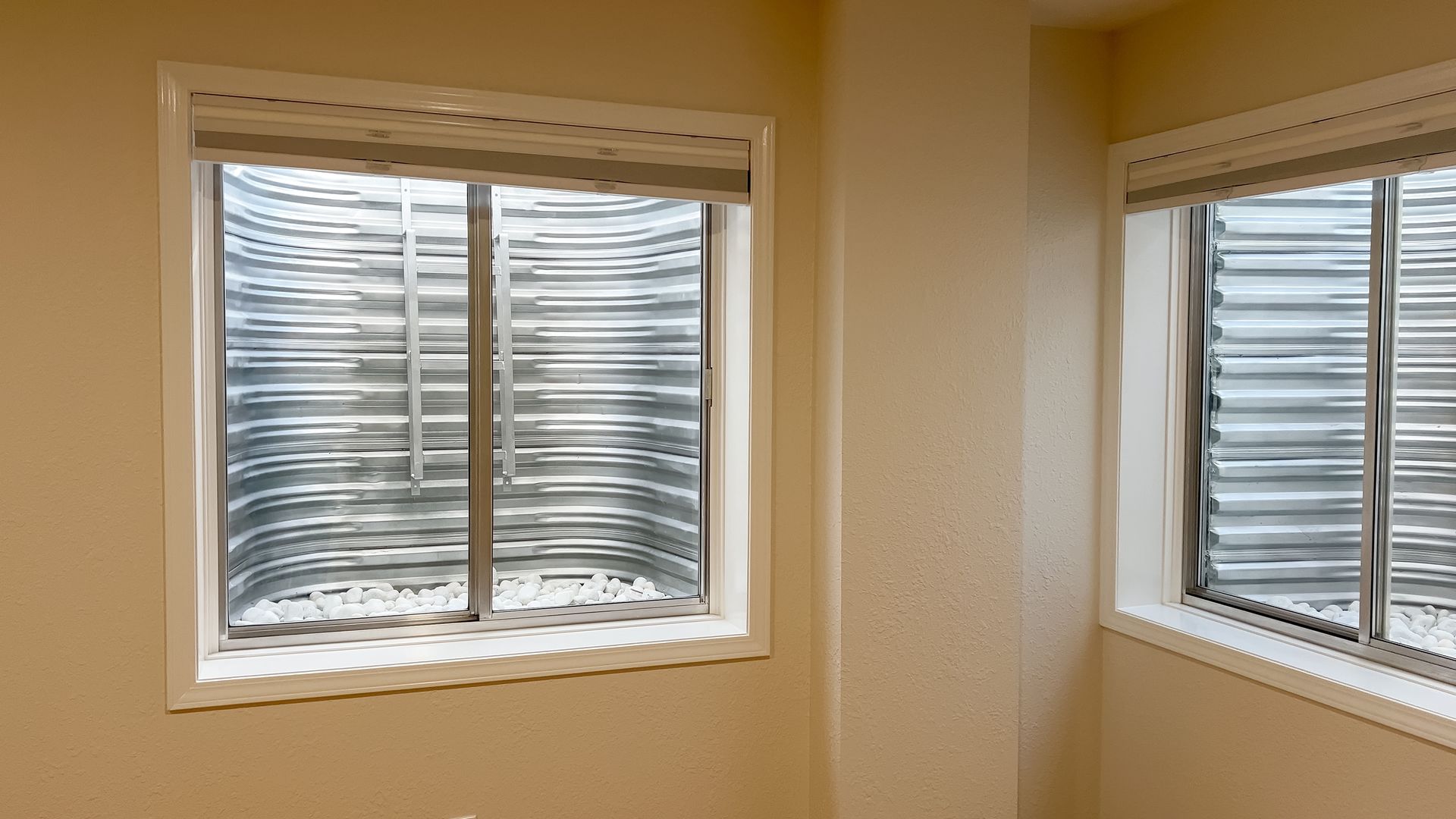
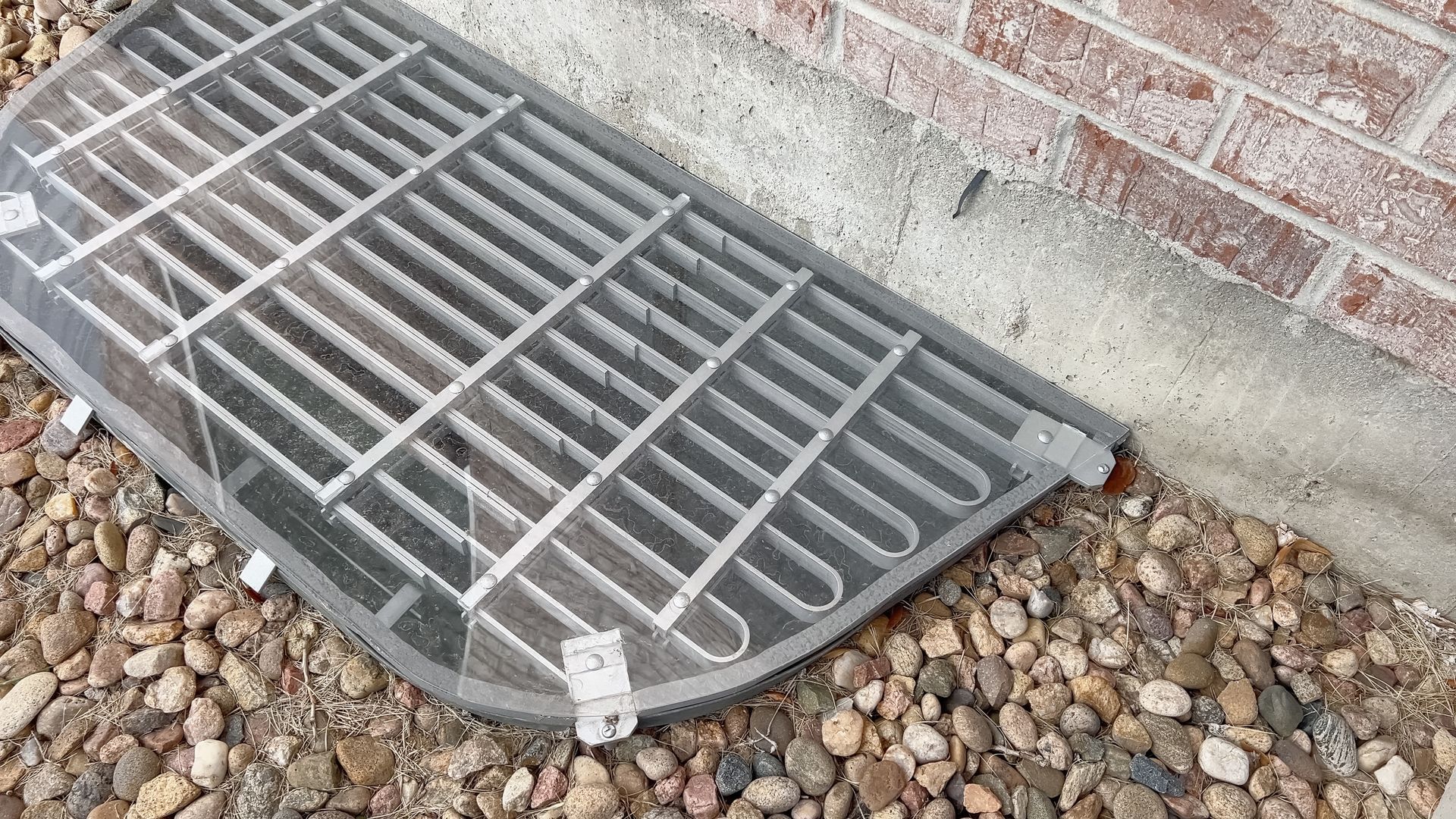
Window wells can become ice dams if not properly drained. Look for pooling water or frost around basement window sills and check for cracks or bad seals.
Examine floor and wall cracks
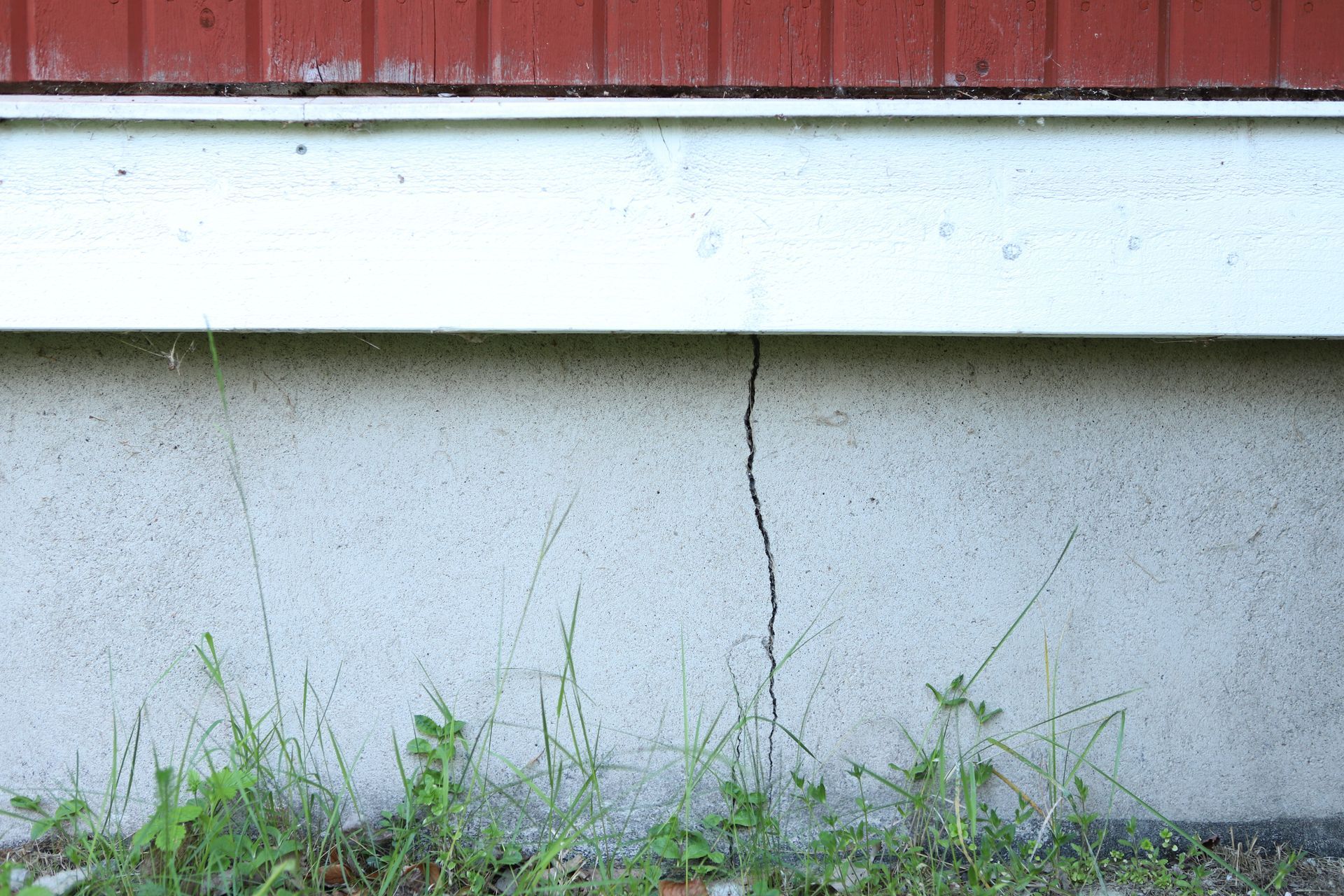
Freezing and thawing cycles often widen existing cracks in concrete. Even hairline splits can become entry points for moisture. Use a flashlight to inspect the perimeter and look at the joint where the wall meets the floor.
Test your sump pump
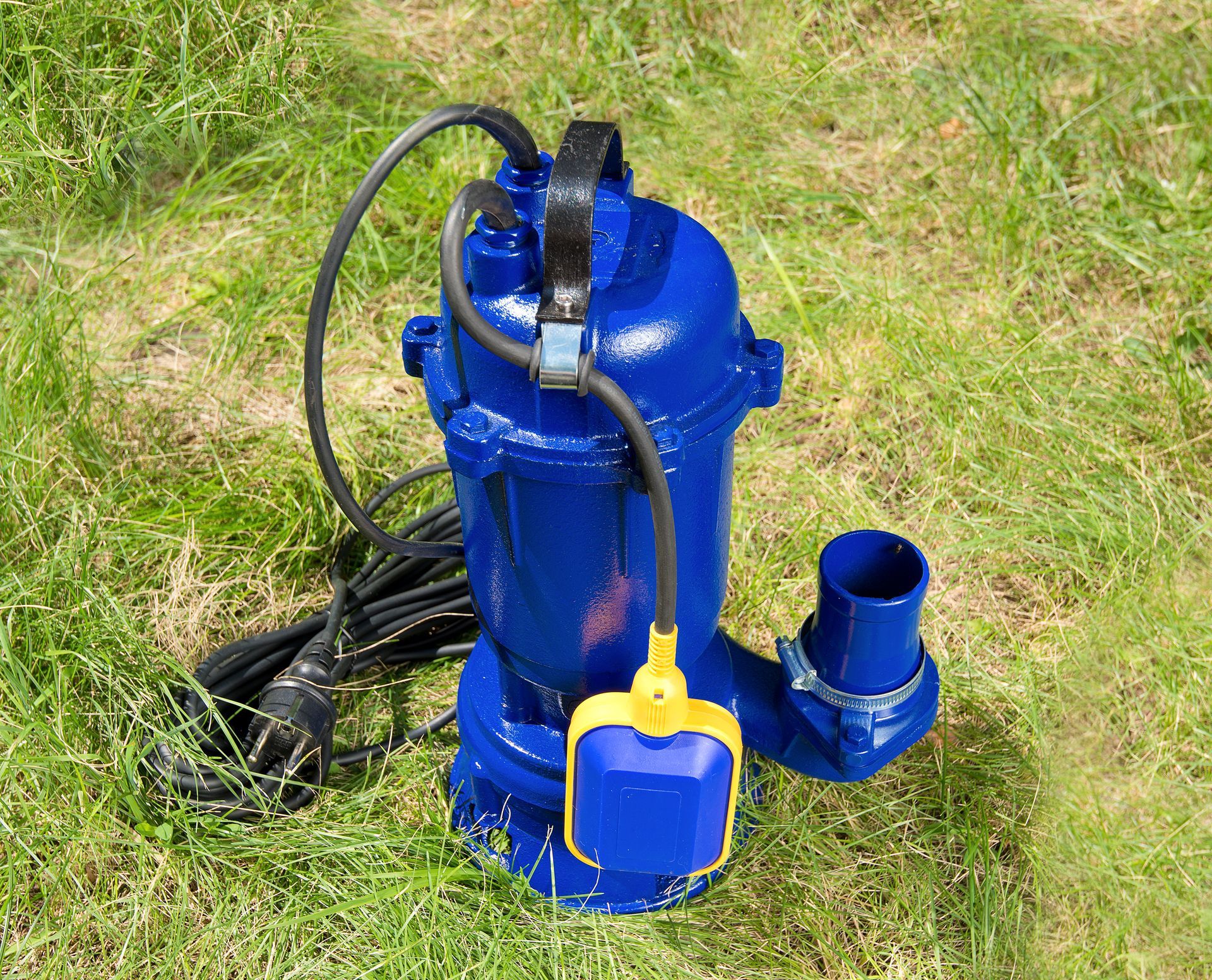
A frozen or blocked sump pump outlet can cause backup. Pour a bucket of water into the sump basin and ensure the pump removes it efficiently. Listen for unusual noises or signs of excessive vibration, which could mean internal components are damaged.
Professional Moisture Testing
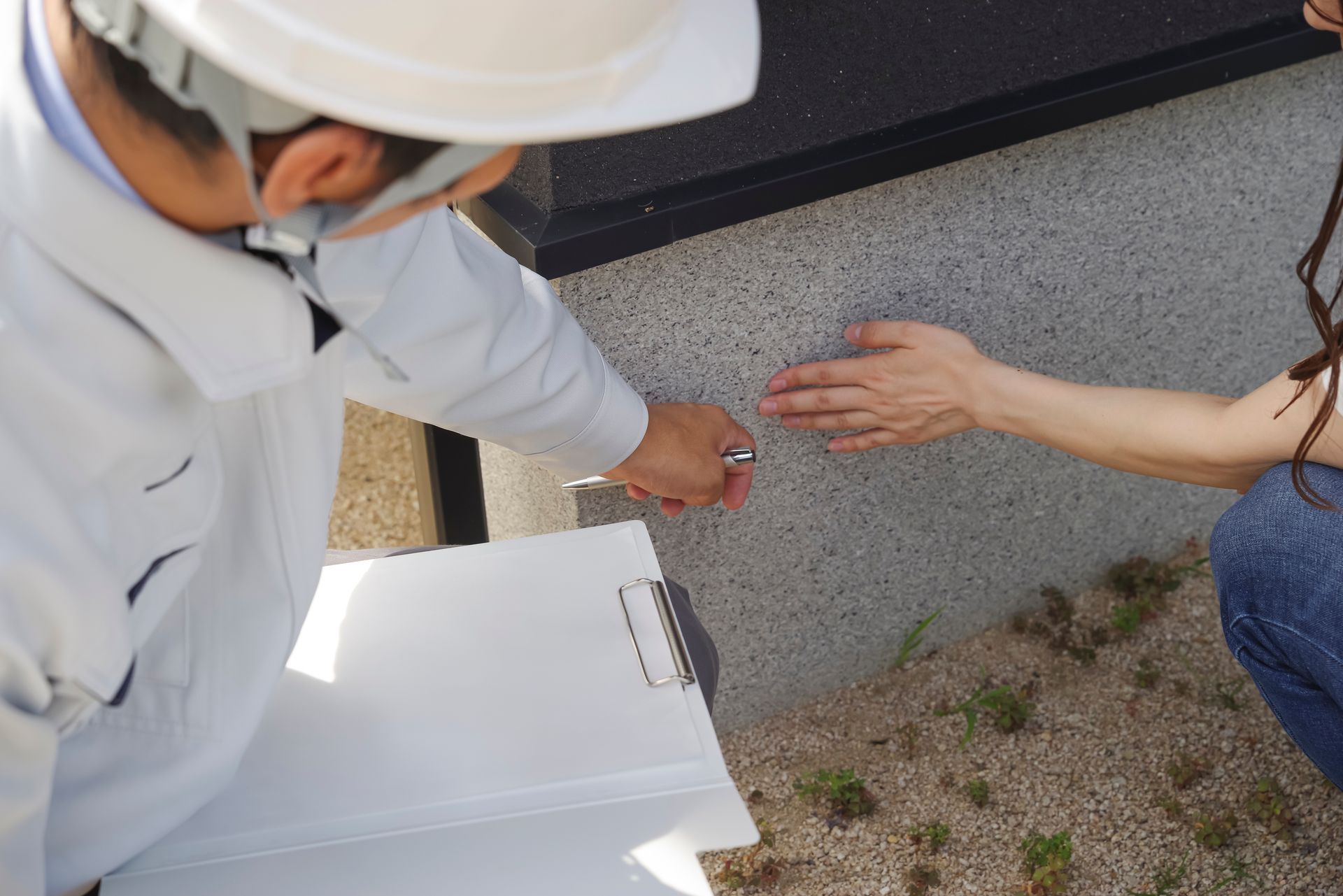
Sometimes, leaks originate from less obvious spots: under flooring, behind insulation, or through porous concrete. A professional moisture meter can help accurately diagnose where water is coming in, and a thermal imaging camera can quickly identify cold, wet zones behind finished walls.
Best Solutions for Fixing Winter Basement Leaks
Once you locate the source, it’s time to act. The best solution depends on the leak’s cause and severity.
Seal foundation cracks
For minor cracks, a polyurethane injection can plug gaps even in freezing temperatures. This expandable foam fills voids and creates a waterproof seal that moves with the foundation, perfect for Ontario winters.
Update or repair drainage systems
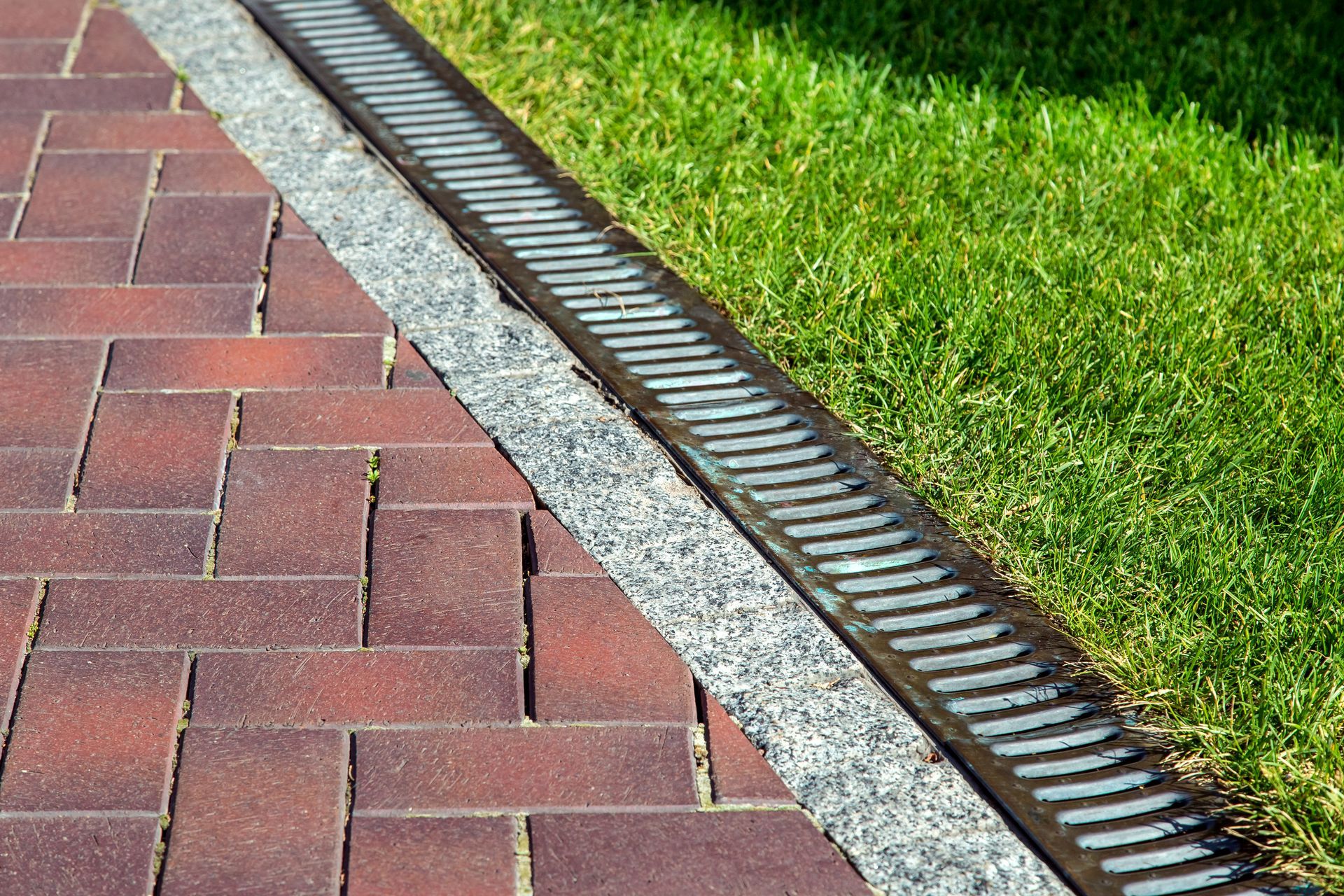
If your weeping tiles or sump pump aren’t functioning, water will continue to pool. Clean out sump pits, inspect weeping tiles for blockages, and consider a battery backup for the pump to keep it running during outages. Exterior grading should slope away from the foundation; add gravel where needed to improve drainage.
Install or repair window wells
Proper window well installation with clear gravel ensures meltwater drains away from the foundation. Covers can keep out snow and debris, further reducing risk.
Apply waterproof coatings
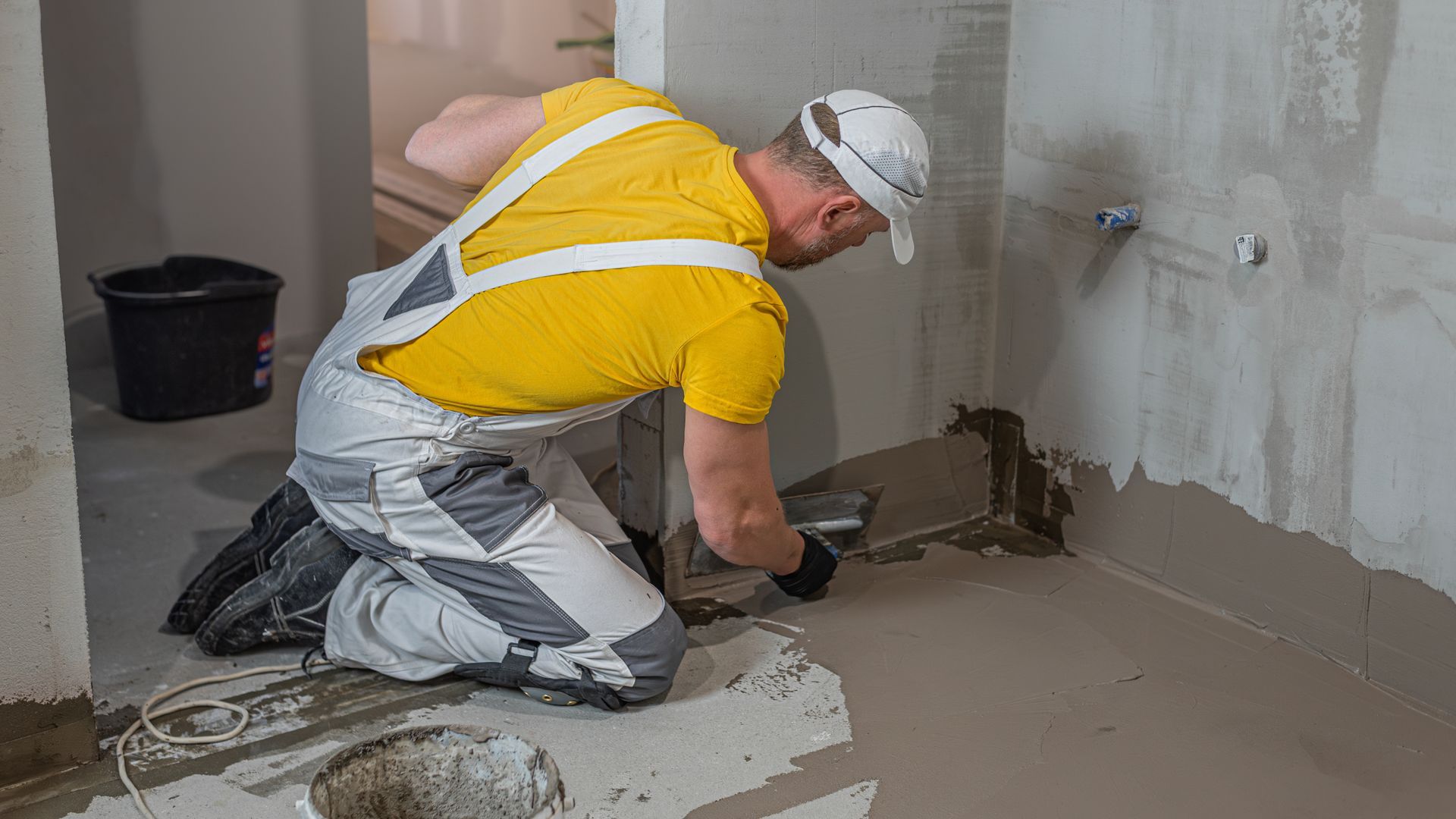
Professional-grade sealants applied to interior or exterior surfaces add an extra line of defense. For homes with chronic dampness, comprehensive foundation waterproofing may be necessary.
Address humidity and mold
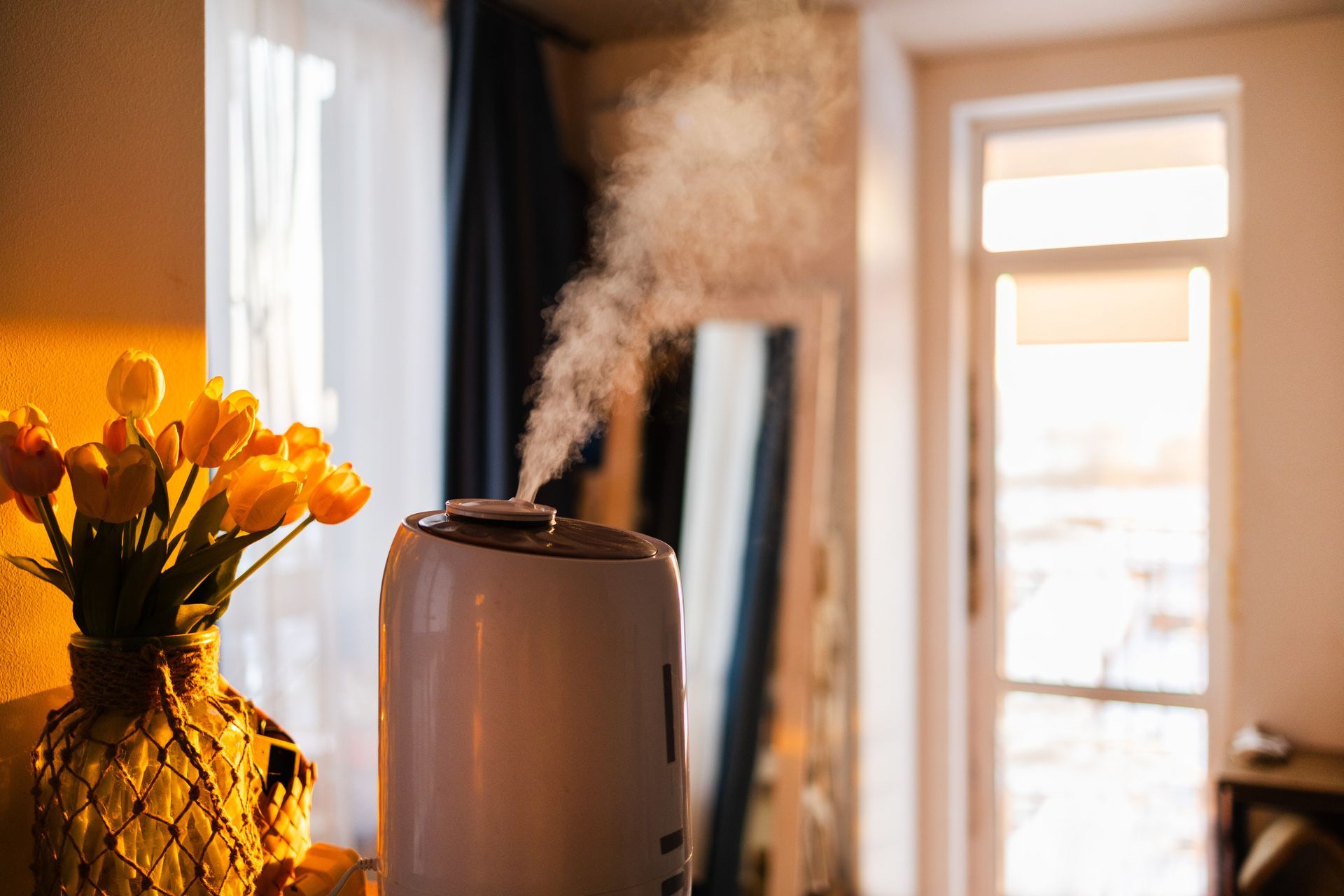
Dehumidifiers are effective at lowering moisture, especially when outside air is cold and damp. If mold is present, a proper remediation service will remove contamination and treat the area to prevent future growth.
Peace of Mind Is Possible
Basement leaks can feel overwhelming, particularly when the weather is working against you. With the right approach, it’s possible to secure your home against winter water damage. Never ignore the early warning signs. For thorough inspections, reliable repairs, and ongoing maintenance that keeps your property dry all year, contact Perimeter Water Solutions Corp. Our experienced team is ready to help Ontario homeowners protect what matters most, even in the coldest months. Stay ahead of leaks, and enjoy peace of mind all winter long—schedule your waterproofing assessment today."
Share This Blog