Warning Signs of Water Damage in Winter—Don’t Ignore These Red Flags
Winter in Ontario brings beautiful snowy landscapes, but it also poses serious risks for homeowners, especially when it comes to water damage. Cold temperatures, melting snow, and freezing rain can create perfect conditions for water intrusion, often leading to costly repairs if left unchecked. Recognizing early warning signs of water damage during the winter months can make a significant difference in protecting your home and keeping your family safe.
Unusual Odors and Dampness
One of the first red flags to look out for is a persistent musty smell, especially in basements, crawlspaces, or near foundation walls. This odor is often a sign of hidden moisture that could be encouraging mold growth. If areas of your home feel consistently damp or humid despite the cold weather outside, excess moisture may be seeping inside through cracks or leaks. Pay extra attention to any areas where humidity levels seem higher than normal for the winter season, as this is a definite sign that water may be entering your home unnoticed.
Visible Stains and Discoloration
Water stains on walls, ceilings, or floors are another clear indication of water infiltration. These stains often appear as yellow, brown, or dark patches and may develop slowly over time. Check corners, window frames, and the bottom edges of walls—areas that are most vulnerable to water seepage during melting periods and freeze-thaw cycles. Discoloration can also manifest around electrical outlets or baseboards, and while it may appear subtle at first, it is a warning that should never be ignored.
Peeling Paint and Bubbling Wallpaper
If you notice paint beginning to peel, bubble, or blister on your walls, especially near the floor or in the basement, water is likely compromising the integrity of these surfaces. Wallpaper may also start to pull away from the wall or develop odd-looking bubbles. These signs signal that moisture is trapped behind the surface, causing the adhesive to fail and the decorative finish to deteriorate. Prompt investigation is crucial to prevent the problem from worsening and to avoid more extensive water damage.
Cracks in the Foundation and Walls
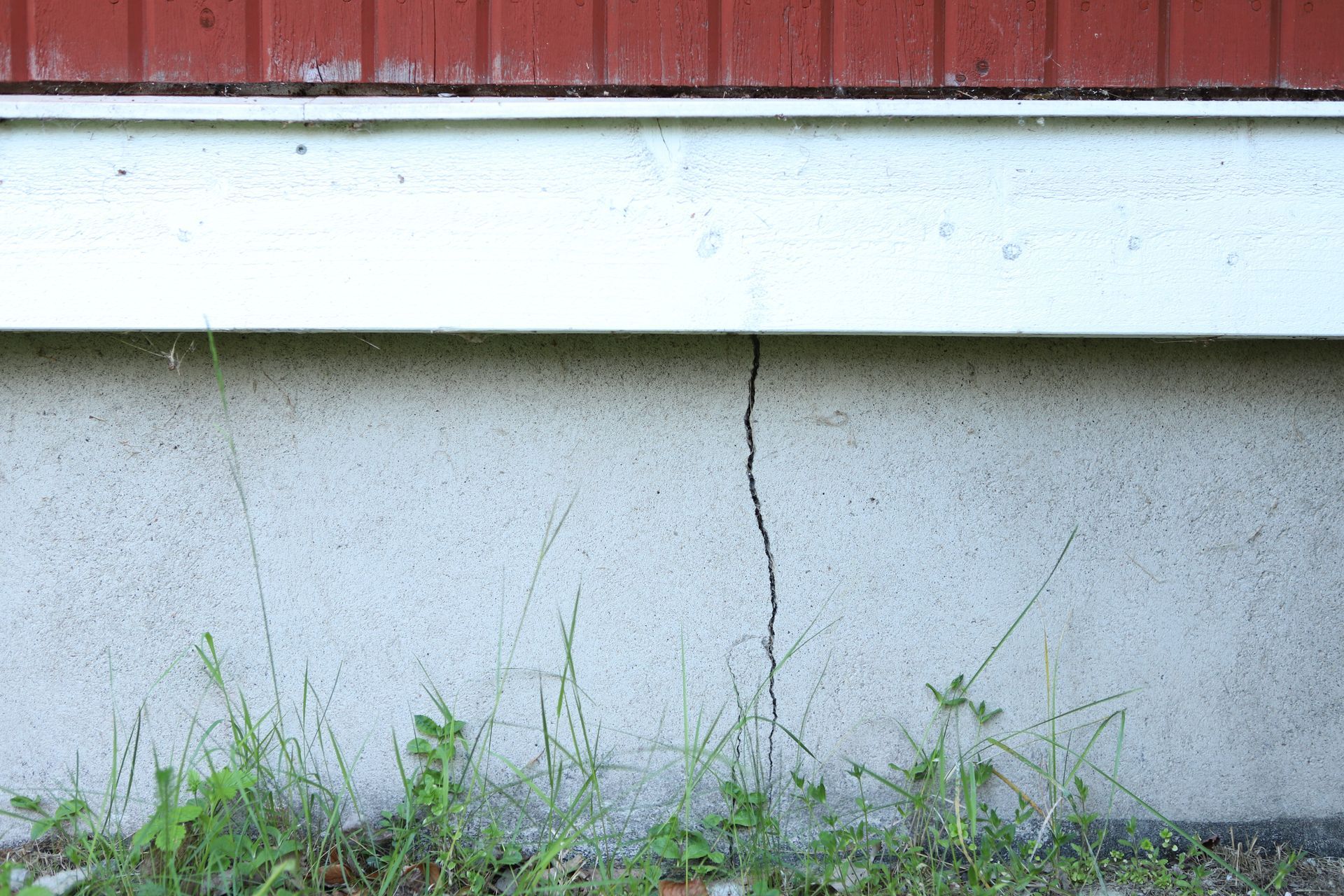
During the winter, your home’s foundation can shift due to repeated cycles of freezing and thawing. Deepening or new cracks in basement walls and floors are a serious warning sign that water may be entering through your foundation. Even small cracks can expand rapidly as temperatures fluctuate, allowing more water to seep into the structure. Regularly inspect both the interior and exterior of your foundation for any new cracks or widening gaps, as ignoring these can have long-term structural impacts.
Condensation on Windows and Pipes
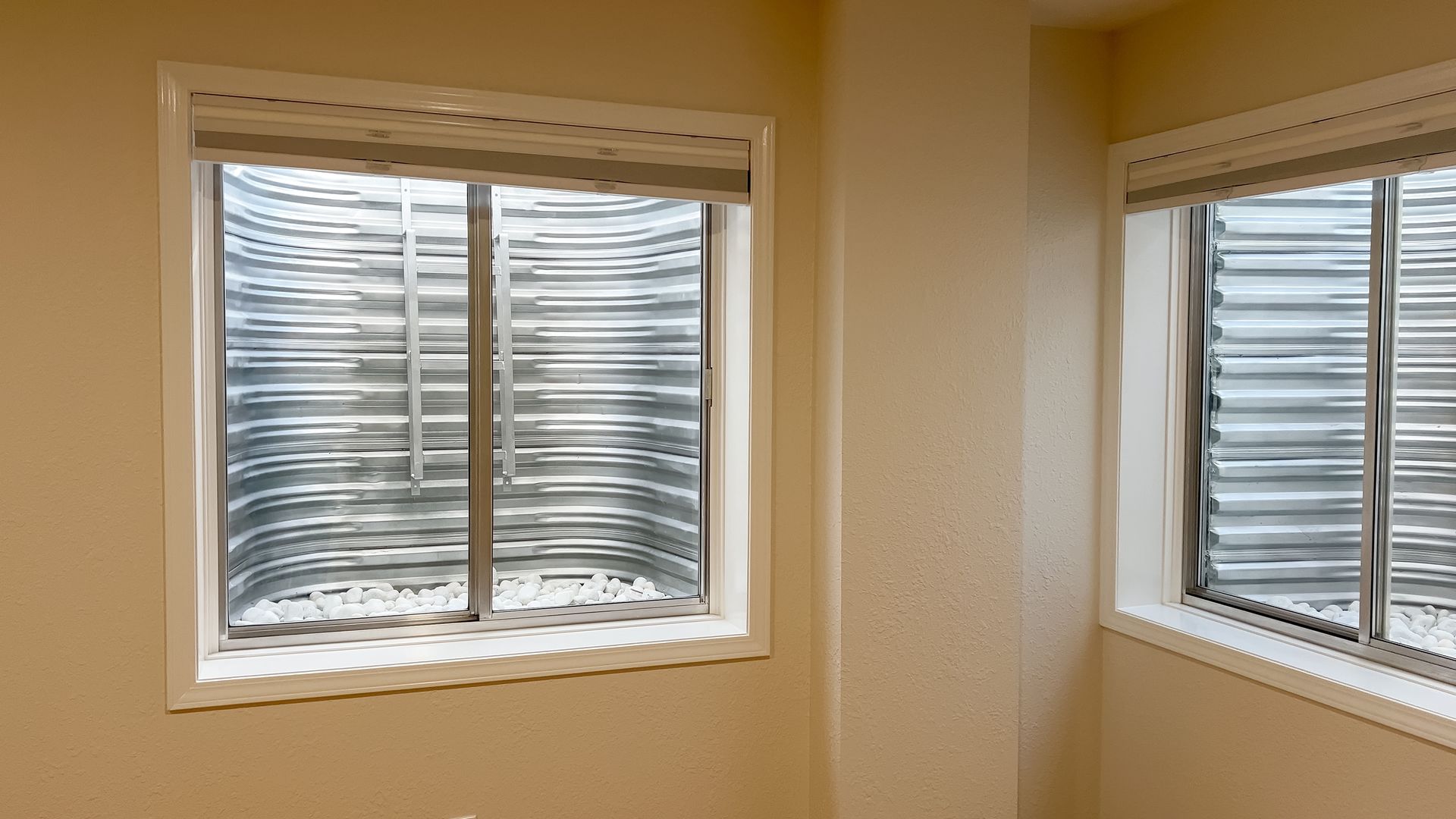
Condensation forming on the inside of windows and around exposed pipes often points to poor insulation or excess indoor humidity. While some moisture buildup is not uncommon, persistent condensation can signal that water is accumulating in your living spaces, possibly from leaks or inadequate ventilation. This moisture can encourage mold growth and eventually lead to decay in window frames, sills, and surrounding areas if not addressed promptly.
Unexplained Increases in Energy Bills
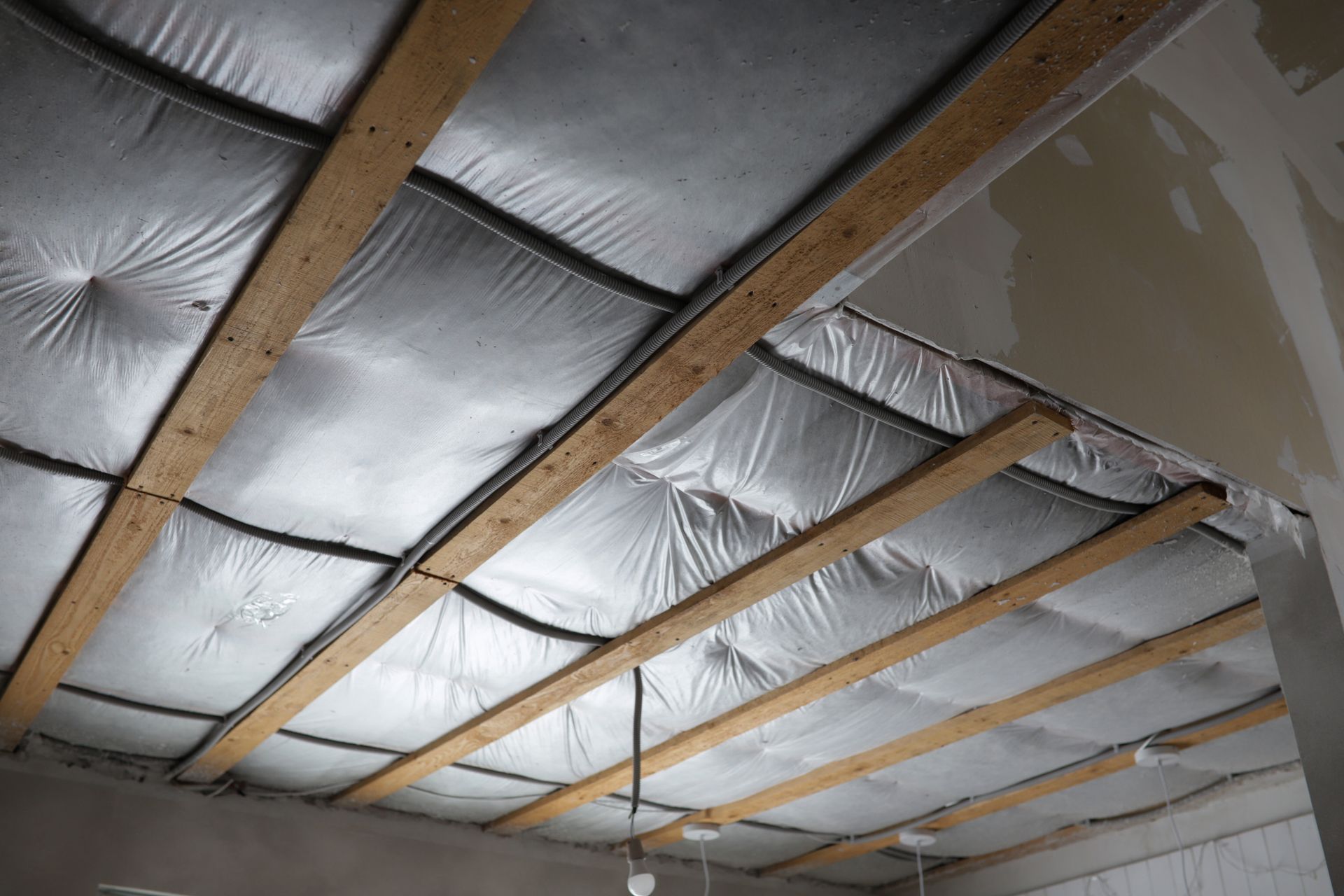
A sudden or unexplained increase in your winter heating bill could indicate that moisture is affecting your home’s insulation. Wet insulation loses its effectiveness, forcing your heating system to work harder to maintain comfortable indoor temperatures. If you notice spikes in heating costs, inspect your basement and foundation for signs of water intrusion. Addressing the source of the moisture not only helps protect your home’s structure but can also save you money on utility bills.
White Powdery Deposits and Efflorescence
Efflorescence is a white, powdery residue that often appears on basement walls or floors. It forms when water seeps through concrete or masonry, carrying dissolved salts to the surface. The appearance of efflorescence usually means that water has been passing through the foundation and evaporating into your basement or crawlspace. While the residue itself is not hazardous, it clearly indicates ongoing water intrusion that needs professional attention before more serious damage occurs.
Unusual Sounds in the Basement
Listen for dripping, trickling, or rushing water sounds, especially after a snowmelt or heavy winter rain. These can point to water actively entering your home through foundation cracks, pipes, or drainage failures. Early detection of these noises often allows for targeted repairs before visible damage occurs.
Protect Your Ontario Home from Winter Water Damage
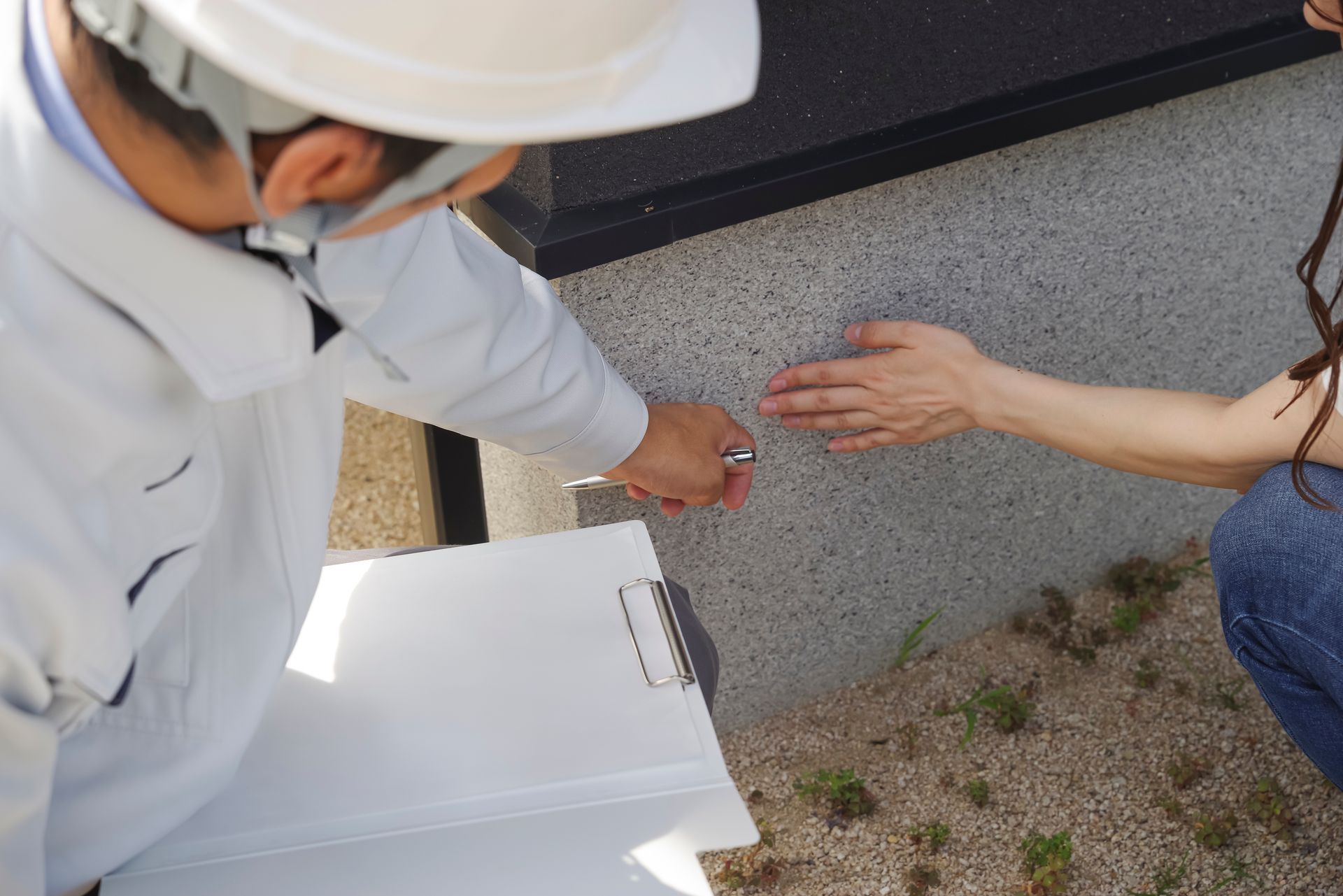
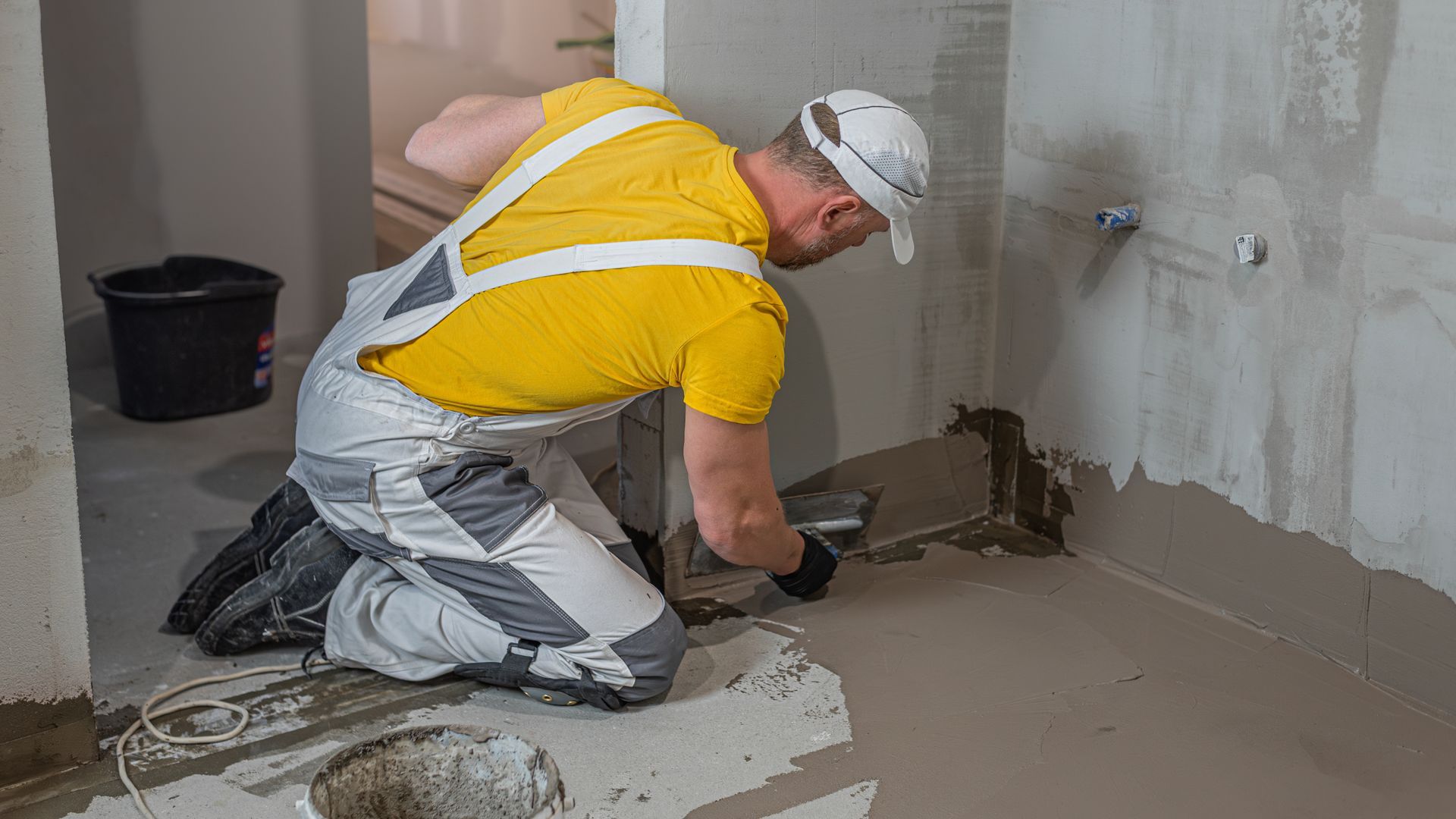
Proactive maintenance and early intervention are key when it comes to water damage during Ontario winters. From unusual smells and stains to increased energy bills and structural cracks, these warning signs should always be taken seriously. If you notice any of these red flags in your Dundalk home or surrounding communities, the team at Perimeter Water Solutions Corp. can help. Our experienced professionals offer thorough inspections, effective waterproofing, and lasting repair solutions to safeguard your home all winter long. Get in touch today to book an inspection and keep your property dry, comfortable, and protected throughout the coldest months of the year.
Share This Blog