Polyurethane Crack Injection: The Best Solution for Cold Weather Repairs
Ontario’s climate doesn’t take a break during the winter, and neither should your home’s defense against water damage. Foundation cracks can become more problematic in the colder months due to the freeze-thaw cycles and increased moisture. That makes winter an especially important time to ensure your foundation is sealed tight against water intrusion. Polyurethane crack injection stands out as the ideal repair method for homeowners dealing with cracks during the winter months. Here’s why this solution is perfectly suited to Dundalk homes and what you need to know to protect your property this season.
Why Winter Makes Foundation Cracks Worse
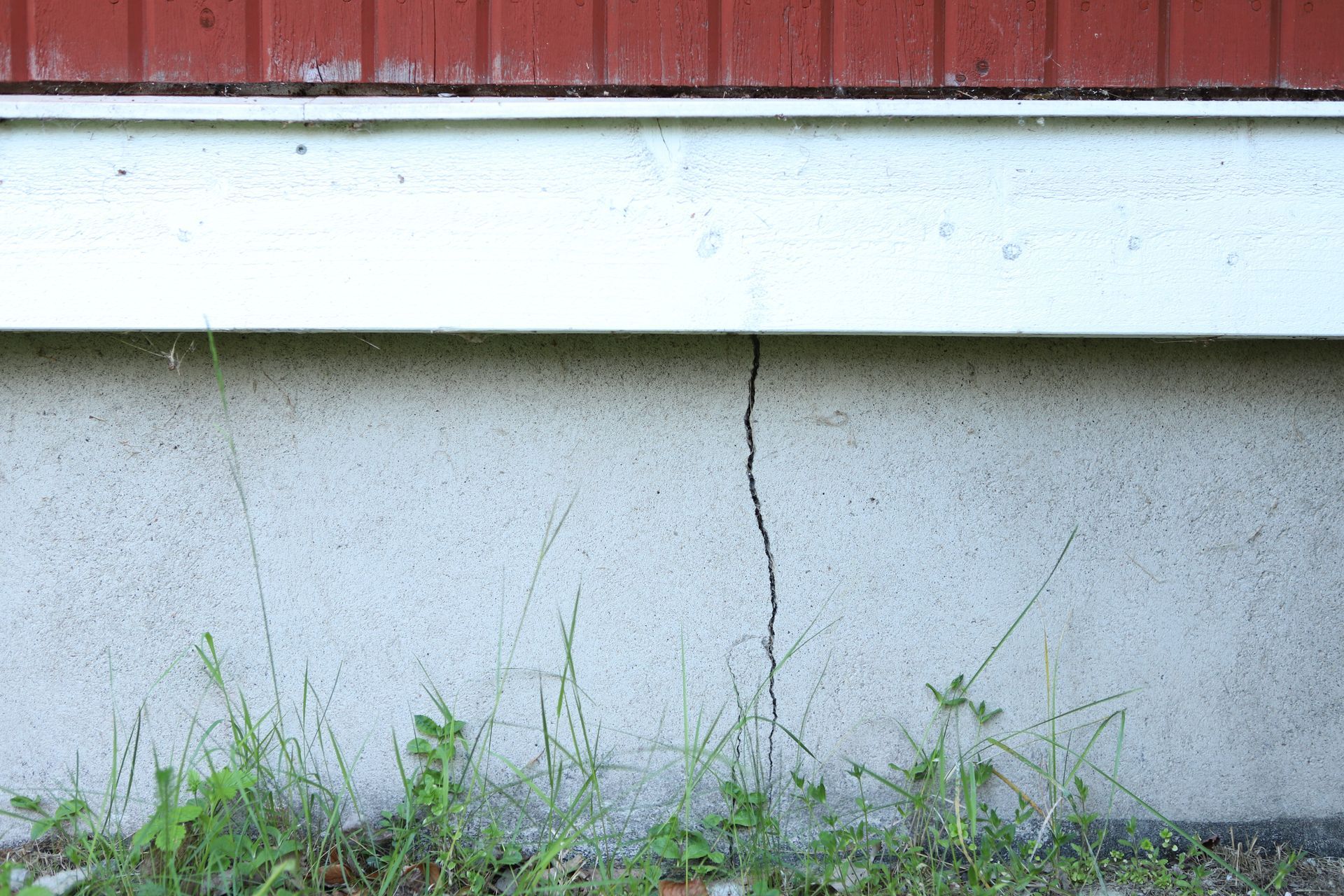
Ontario winters are tough on homes. As temperatures fluctuate between freezing and thawing, the soil surrounding your home’s foundation can expand and contract. This movement puts stress on concrete, often causing old cracks to widen or new ones to appear. Melting snow and ice mean more water can seep into these cracks, which then refreezes overnight, making the openings larger and more dangerous to your home’s structure.
Homeowners often assume they need to wait for spring to solve foundation issues, but delaying repairs over the winter can mean more damage and higher costs down the line. Thankfully, polyurethane crack injection is designed to work well, even in cold and damp conditions.
What Sets Polyurethane Apart from Other Crack Repair Solutions
Polyurethane injection is a state-of-the-art method for sealing foundation cracks, especially when compared to alternatives like epoxy. Polyurethane is a flexible, two-part sealant that expands upon application, making it perfect for cracks that are subject to movement during freeze-thaw cycles. Unlike rigid epoxies, polyurethanes maintain flexibility and waterproofing performance even when temperatures drop.
This material adheres tightly to the concrete and actively seeks out voids within cracks, creating a permanent waterproof barrier. The expansion property is a game-changer in cold environments—it pushes deep into fine crevices, otherwise unreachable with many traditional repair methods. Even if your foundation walls are moist, polyurethane can still bond and cure without losing effectiveness, which is a clear benefit in damp winter conditions.
Step-by-Step: How Polyurethane Crack Injection Works
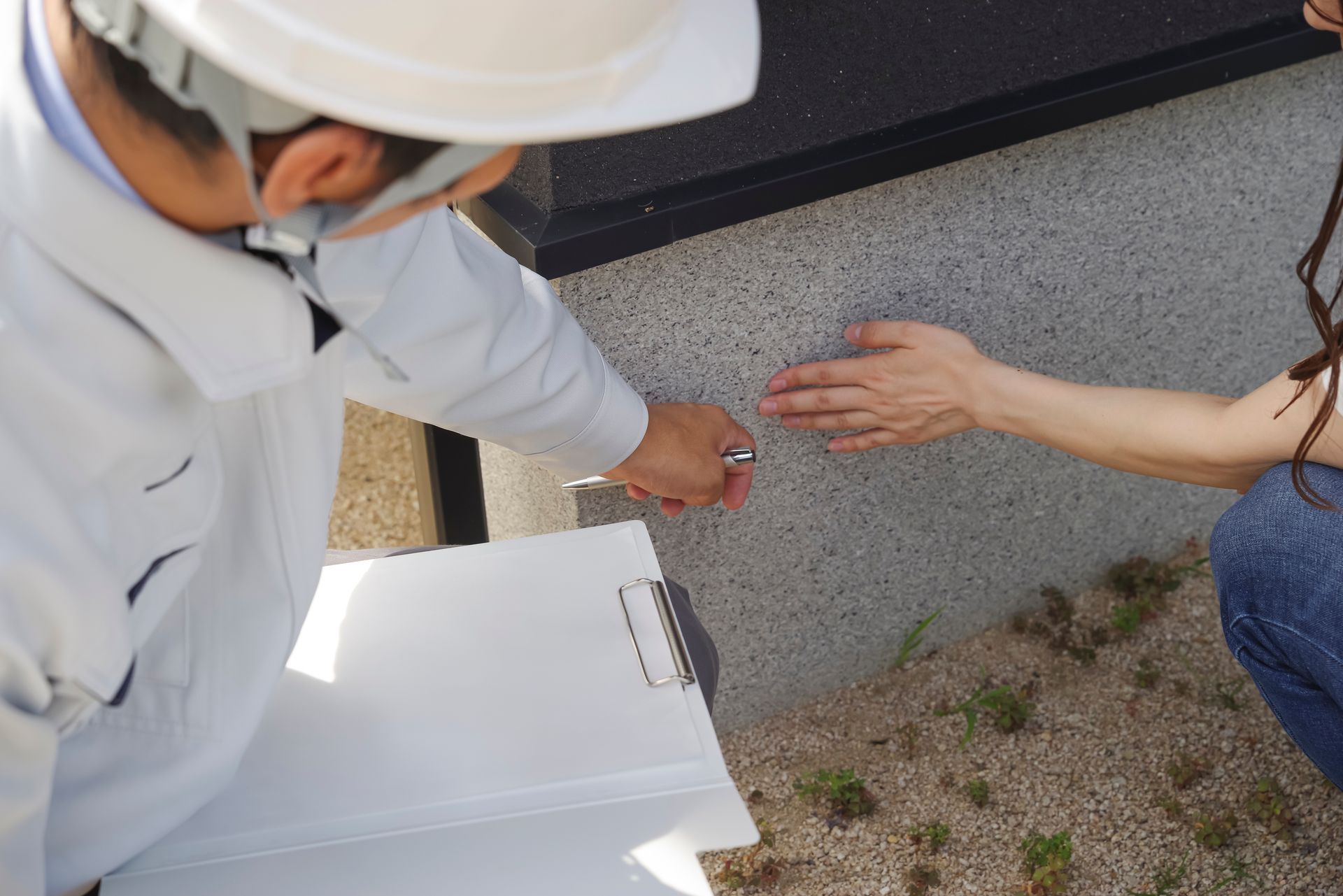
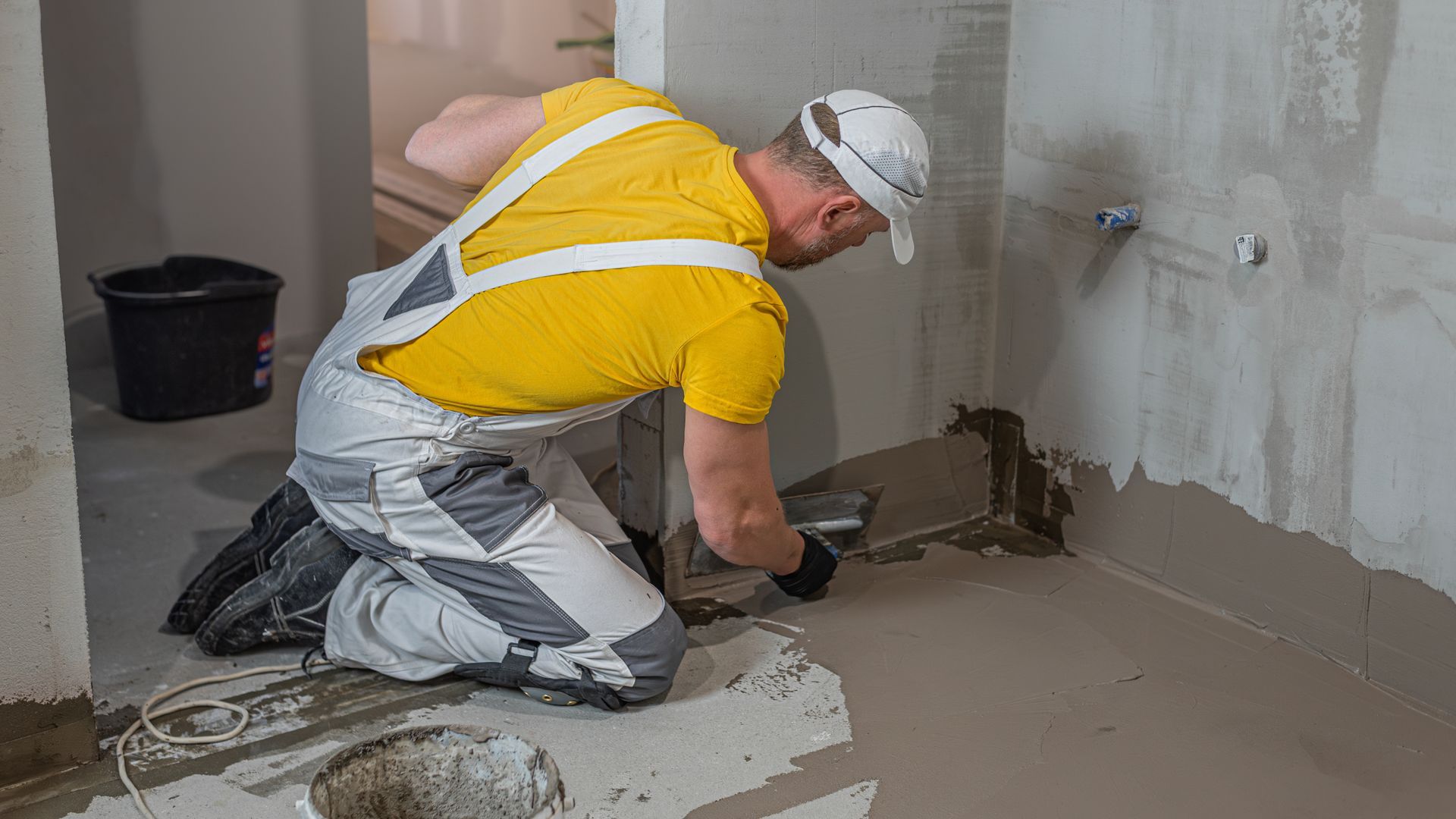
The process of polyurethane crack injection is both simple and highly effective. After a thorough inspection of your foundation, technicians drill small holes along the line of the crack. Injection ports are installed, and then the two-part polyurethane is pressure-injected into the crack. The material quickly expands, filling the crack entirely and forming a watertight seal.
This process doesn’t require the surrounding concrete to be dry—a crucial advantage during winter’s damp, cold climate. Once injected, the polyurethane begins to cure, remaining flexible so it can withstand continued structural shifts and temperature changes.
The Benefits of Polyurethane for Cold Weather Repairs
There are several compelling reasons to opt for polyurethane crack injection in winter:
- Fast and highly effective in wet and cold conditions, so you can address cracks as soon as they appear
- Expansion properties mean thorough filling of cracks, even if they widen due to freeze-thaw cycles
- Permanent waterproofing that prevents additional water damage, mold growth, and structural deterioration
- Flexibility allows the material to absorb further movement in the wall without cracking or losing its seal
- Immediate application with no need to wait for warm, dry weather, reducing the risk of worsening damage
By investing in polyurethane crack injection, you’re not only fixing the immediate problem but also protecting your foundation from ongoing winter weather challenges.
Polyurethane Crack Injection vs. Waiting for Spring
One of the biggest mistakes homeowners make is postponing crack repairs until warmer weather. Water intrusion during winter doesn’t just endanger your basement with leaks—it contributes to mold growth, poor indoor air quality, and can damage stored belongings. Postponing repairs risks a minor crack evolving into a major, costly issue that compromises your home’s safety.
Polyurethane injection allows you to address the problem right now. No waiting for the thaw, no compounding issues with repeated freezing and water infiltration. By sealing cracks promptly, you maintain property value and preserve a healthy, secure living environment for your family.
Professional Installation Matters
Polyurethane crack injection is best handled by trained professionals who can assess the full scope of the problem and apply the treatment safely and thoroughly. The process requires specialized equipment to ensure proper mixing, injection, and curing, as well as experience to identify underlying issues that may have contributed to the cracking.
With professional installation, you benefit from a long-lasting, guaranteed repair that provides maximum security against further water intrusion and the peace of mind that comes with knowing your home is protected all winter.
Take Action Now to Defend Your Dundalk Home
Staying ahead of foundation cracks this winter is easier—and more affordable—than you might think. With polyurethane crack injection, you can fortify your property against Ontario’s harshest conditions, avoid springtime surprises, and enjoy the season knowing your investment is safe. Don’t let winter weather put your home at risk. Contact Perimeter Water Solutions Corp. today to schedule an inspection and secure expert crack repair that lasts. Your family’s comfort and your property’s value are worth it.
Share This Blog