Winter Maintenance Checklist: Protect Your Foundation and Prevent Flooding
As Ontario’s winter approaches, homeowners in Dundalk and across the province know just how important it is to keep their basements, crawlspaces, and foundations protected from the hazardous effects of freeze and thaw cycles. Snow, ice, and fluctuating temperatures can spell trouble if your property isn’t properly prepared. Water infiltration, foundation cracks, and basement leaks are not just inconvenient—they can lead to costly repairs and a multitude of headaches down the line.
Here’s a comprehensive winter maintenance checklist designed to shield your home from water damage, keeping your foundation safe and your living space dry all season long.
Inspect for Foundation Cracks and Damage
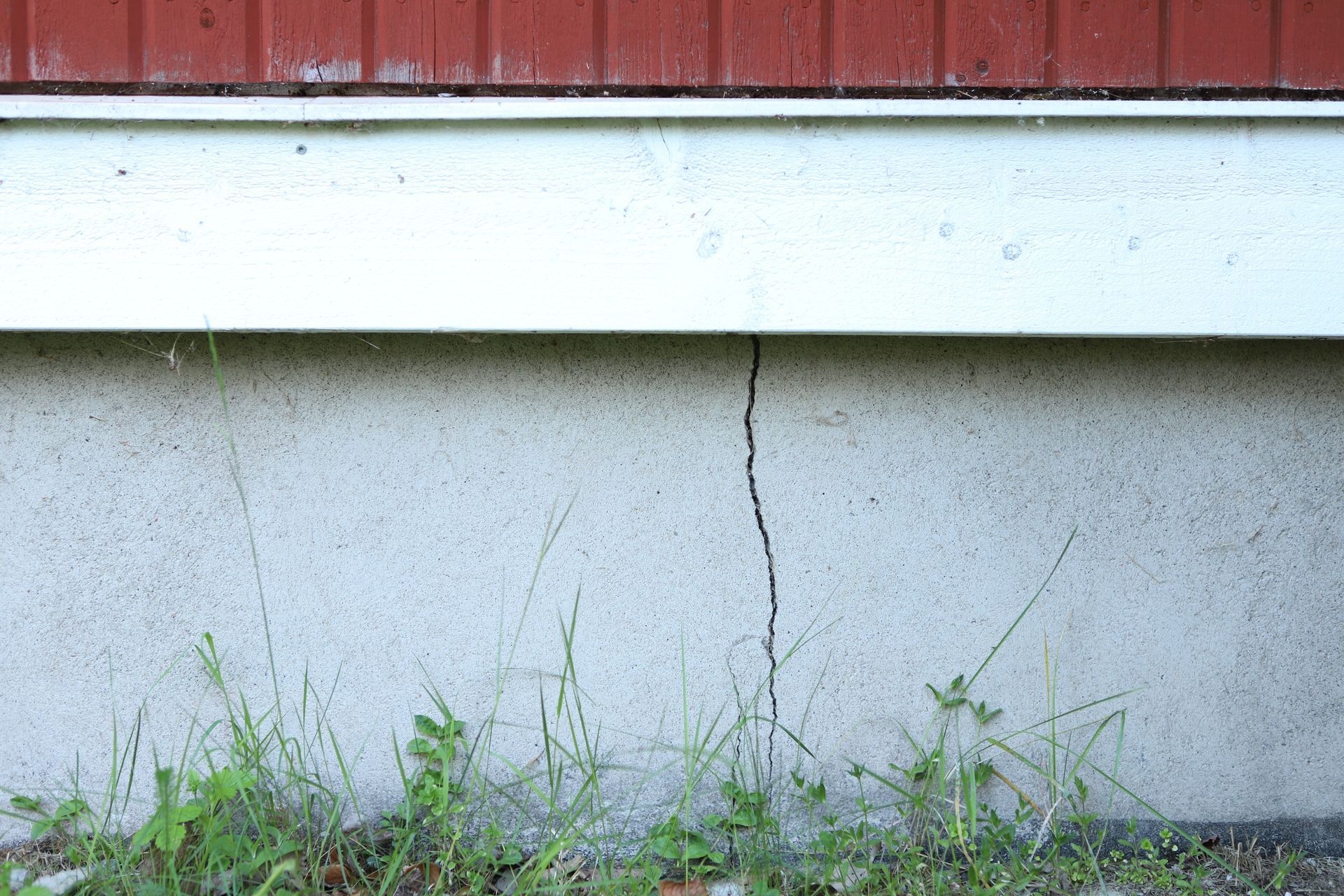
Before winter sets in, it’s crucial to inspect your foundation for any cracks, chips, or signs of previous water intrusion. Even minor gaps can widen as temperatures drop and ice expands, allowing melting snow and heavy rain to seep into vulnerable areas. Pay special attention to the corners of your basement, visible concrete, or masonry, and areas around window wells.
Addressing even the smallest crack now by arranging for professional foundation crack repair or polyurethane crack injection can save you from larger, costlier issues come springtime. Don’t forget to look for white, chalky residue on walls, as it may indicate ongoing moisture problems that require further investigation.
Clean and Maintain Gutters and Downspouts
Leaves and debris gather quickly in gutters and downspouts during autumn. If left unmanaged, clogged gutters prevent water from draining away from your home, raising the chances of overflow and foundation pooling. Clean out any obstructions so that snowmelt and rainflow have an open path.
Ensure downspouts are extended at least two metres (six feet) from your foundation to keep runoff well away from your basement walls. Consider adding downspout extenders or splash blocks if needed.
Ensure Proper Grading Away from the Home
Soil around your property should gently slope away from the foundation. Check for areas where soil has settled and created low spots against the walls. Add topsoil and compact it to maintain positive drainage, reducing the risk of water pooling near your basement during freeze-thaw cycles or sudden snowmelt events.
Check and Maintain Sump Pumps
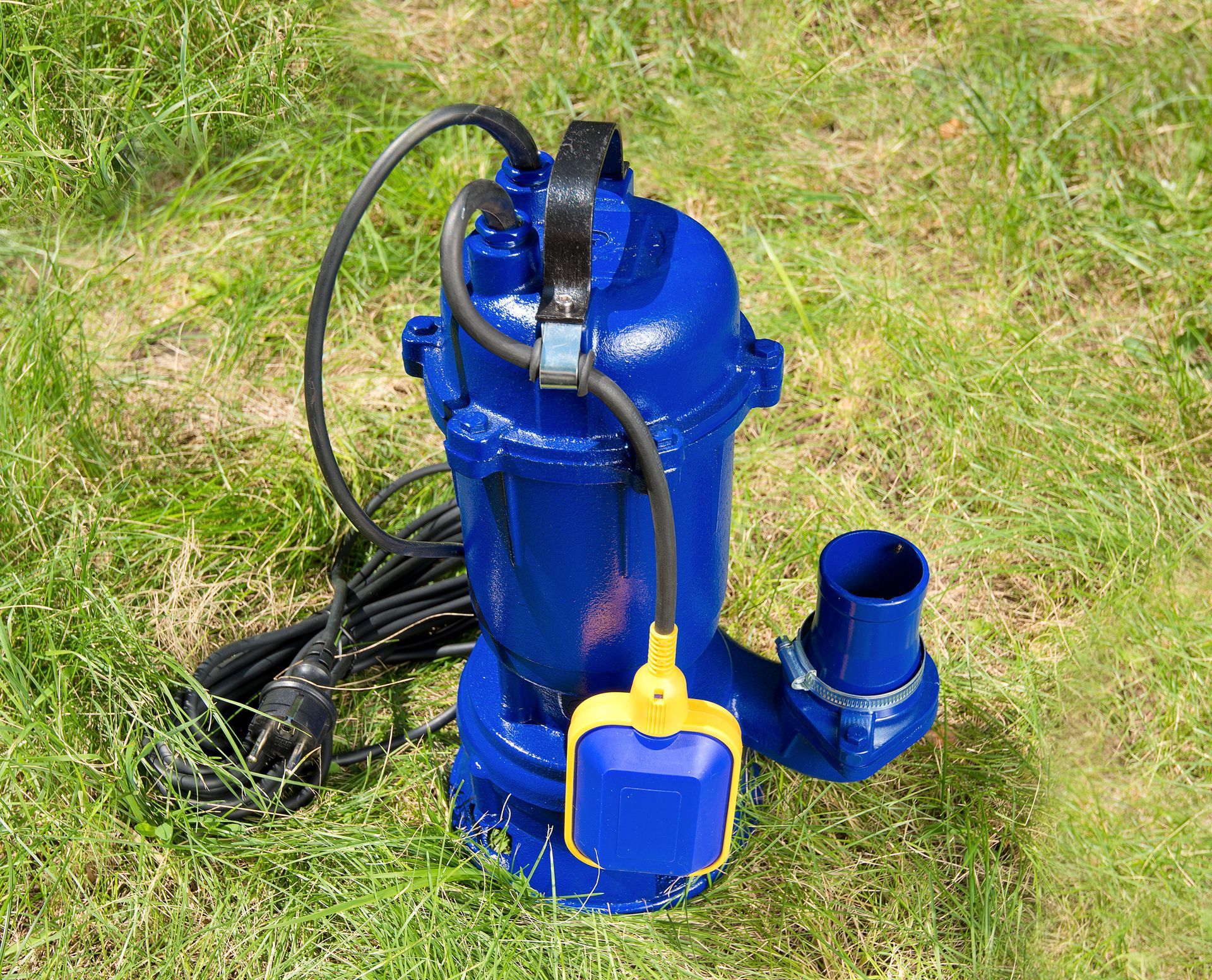
A working sump pump is your frontline defence against basement flooding. Test your sump pump before the first heavy snowfall by pouring water into the pit and ensuring it activates promptly. If it fails to turn on, doesn’t efficiently move water, or you notice unusual noises, schedule professional inspection or repair.
For added peace of mind, consider installing a battery backup system. This ensures your pump keeps operating during power outages—often a risk during winter storms in Ontario. Regularly inspect the discharge line to confirm it isn’t blocked or frozen, preventing water from re-entering the home.
Seal Basement Windows and Check Window Wells
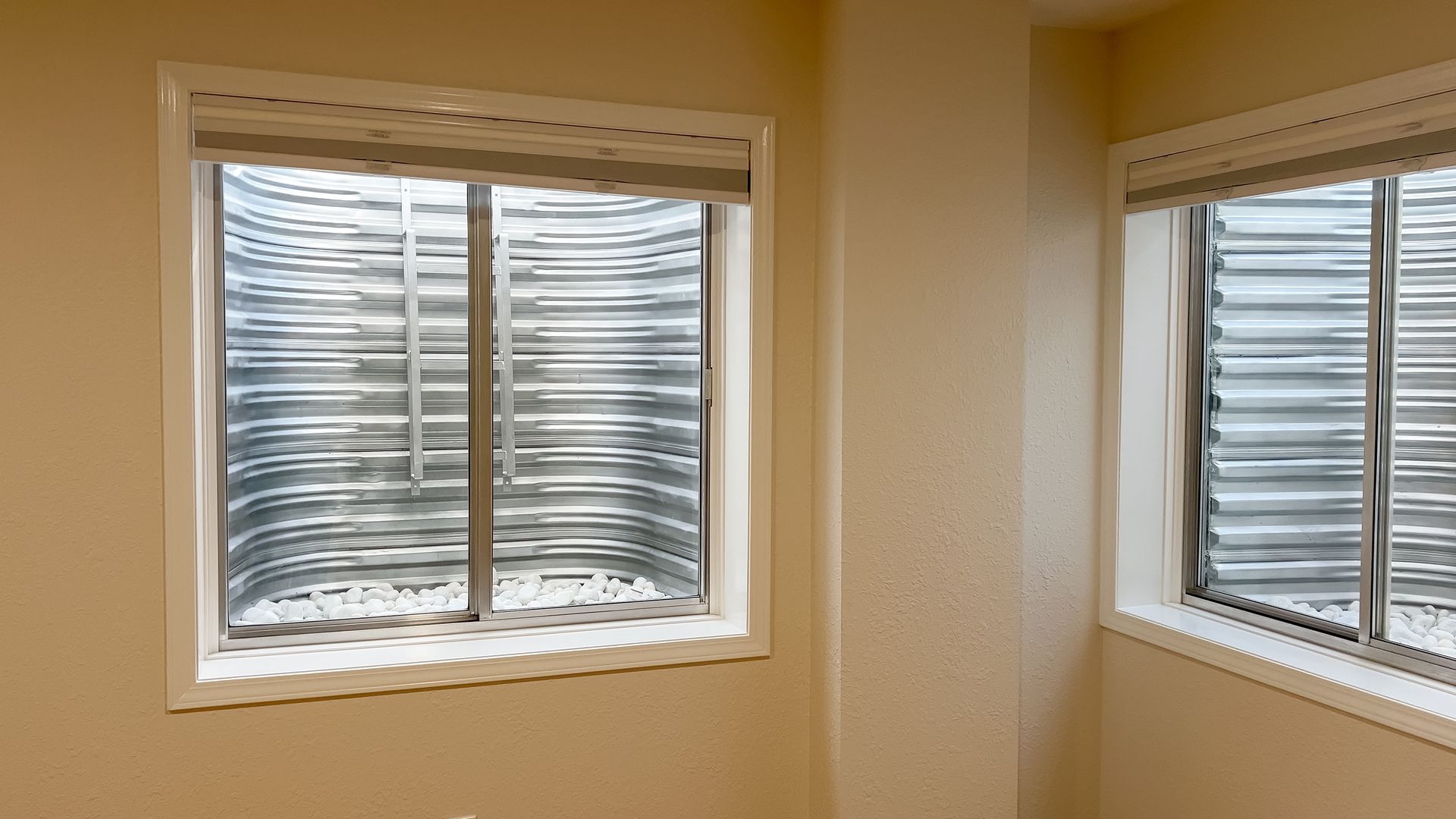
Basement windows are frequent trouble spots for leaks during Ontario winters. Inspect windows for gaps, cracked caulking, or any signs of condensation or frost buildup. Replace failing seals or reapply caulking where needed. Clean window wells of leaves and debris, making sure gravel is clear to support proper drainage.
Don’t overlook the condition of your window well covers. Sturdy covers prevent snow from accumulating inside the well and keep meltwater from seeping down into your basement.
Waterproof Crawlspaces and Install Vapor Barriers
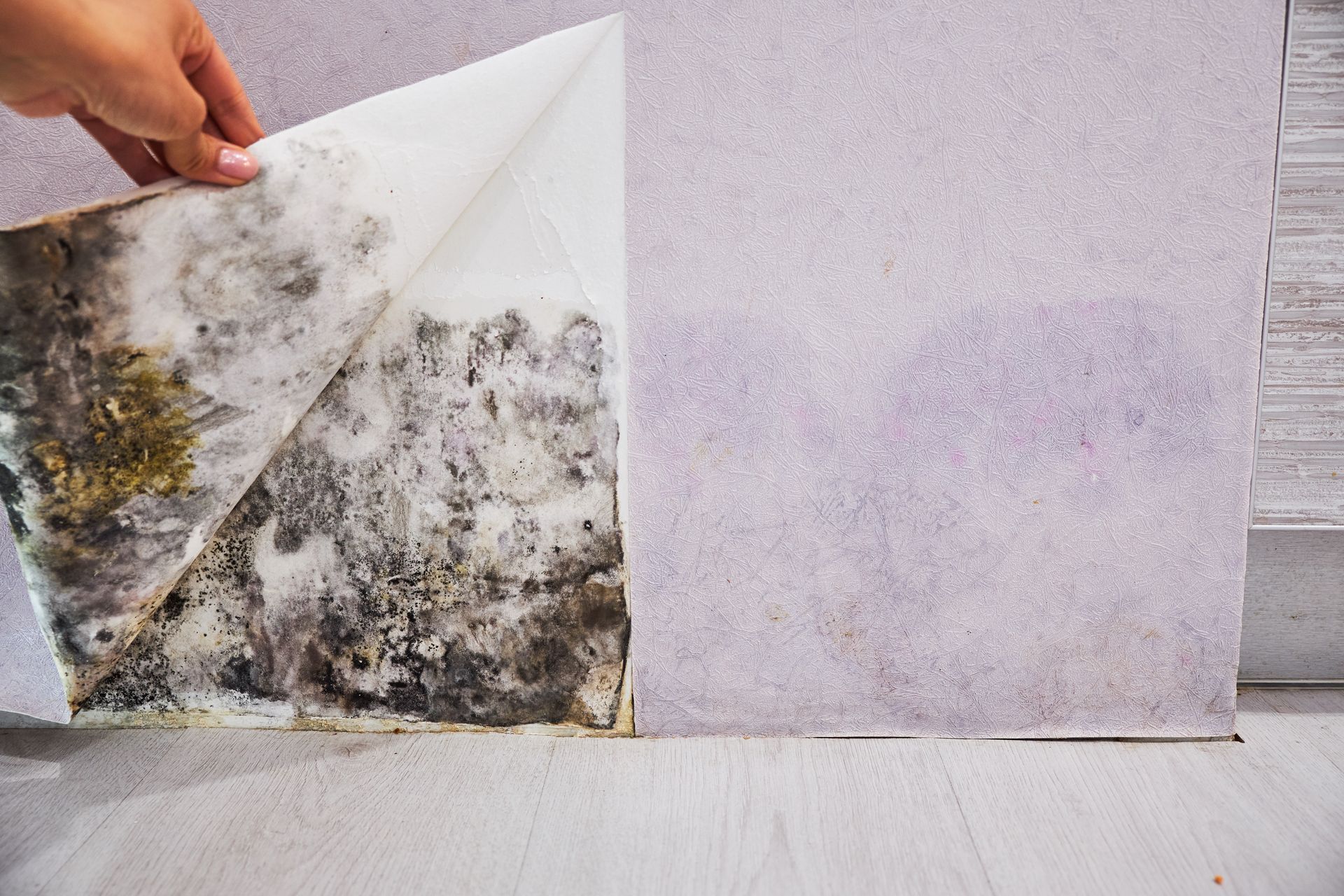
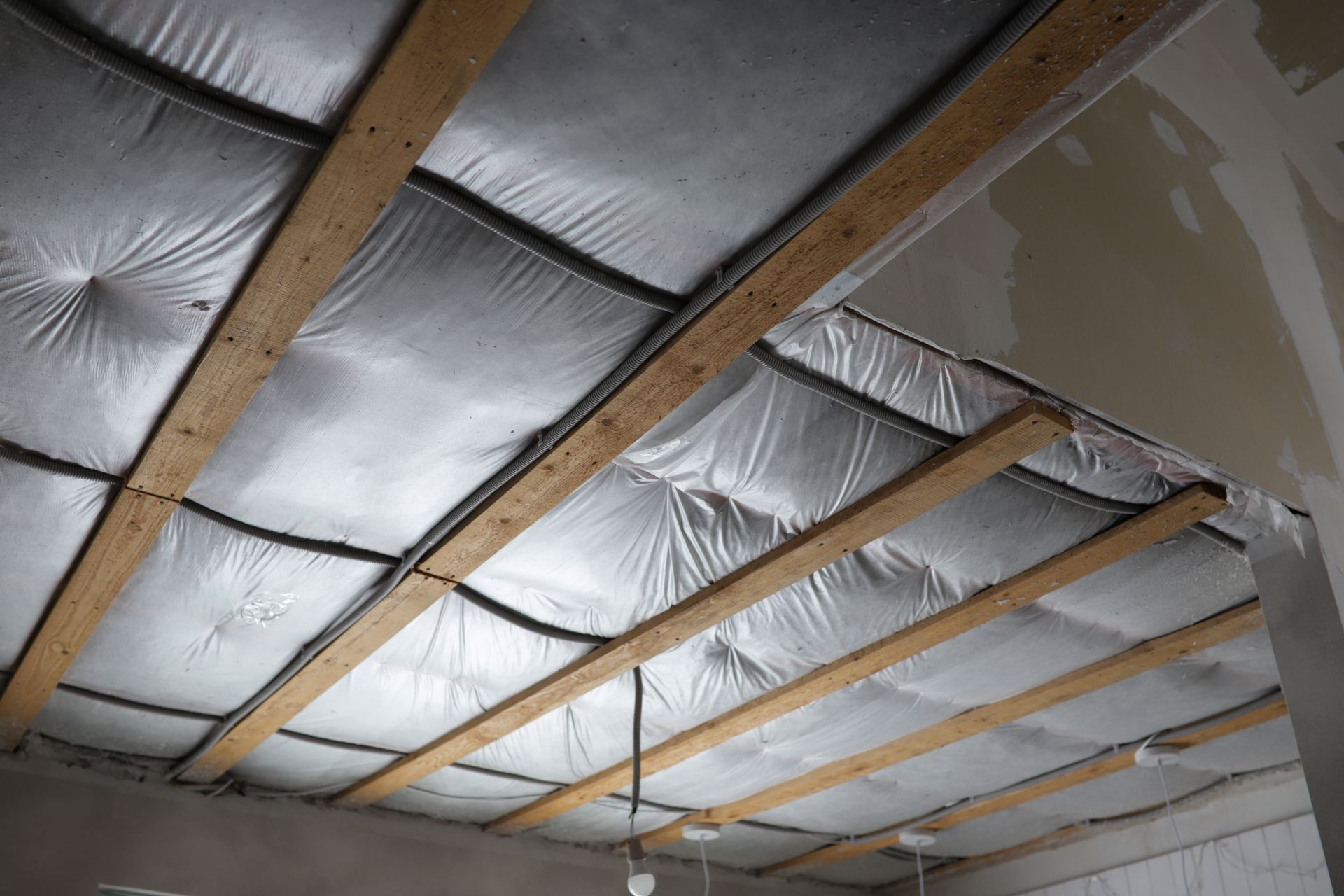
Many older homes have crawlspaces that are especially prone to moisture accumulation during freeze and thaw periods. Inspect your crawlspace for signs of dampness, musty odours, or visible mold. Add or inspect existing vapor barriers for tears or deterioration, and consider professional crawlspace encapsulation if moisture persists.
This not only extends the life of your crawlspace, but also improves indoor air quality, reduces humidity, and provides another defence against foundation issues.
Inspect and Maintain Weeping Tile and French Drains
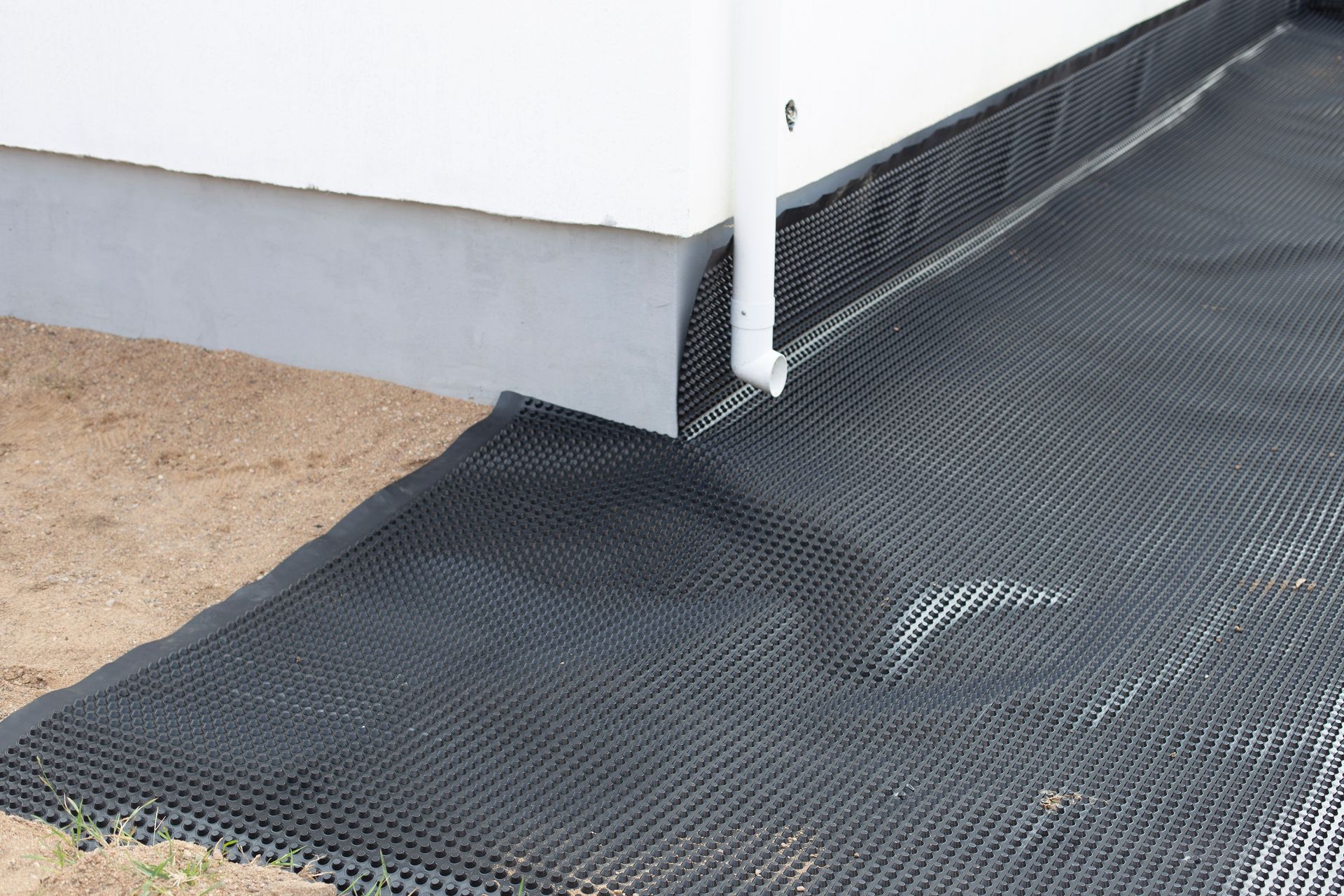
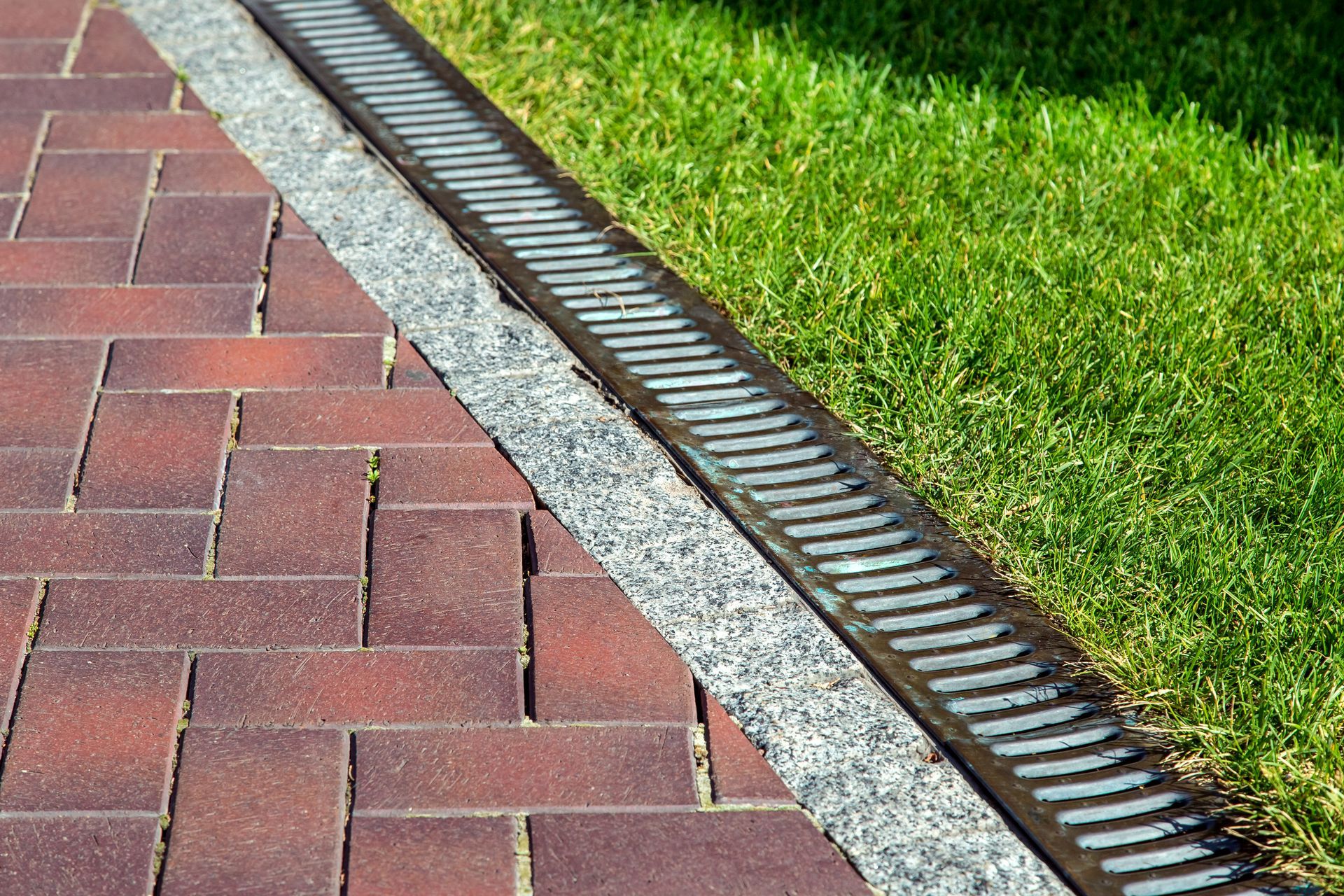
Check for signs that your weeping tile or French drain system may not be working optimally. Pooling in the yard, soggy patches, or persistent foundation dampness are red flags that professional assessment may be required. Flush or clean these systems regularly and ensure that drainage pipes are not obstructed.
Dehumidify and Monitor Indoor Humidity
Basements and crawlspaces are vulnerable to increased moisture in winter, especially with poor ventilation. Use a high-quality dehumidifier to maintain healthy humidity levels and prevent the formation of mold or mildew. Regularly monitor humidity levels and make adjustments as necessary to preserve foundation integrity and indoor air quality.
Schedule a Professional Waterproofing Inspection
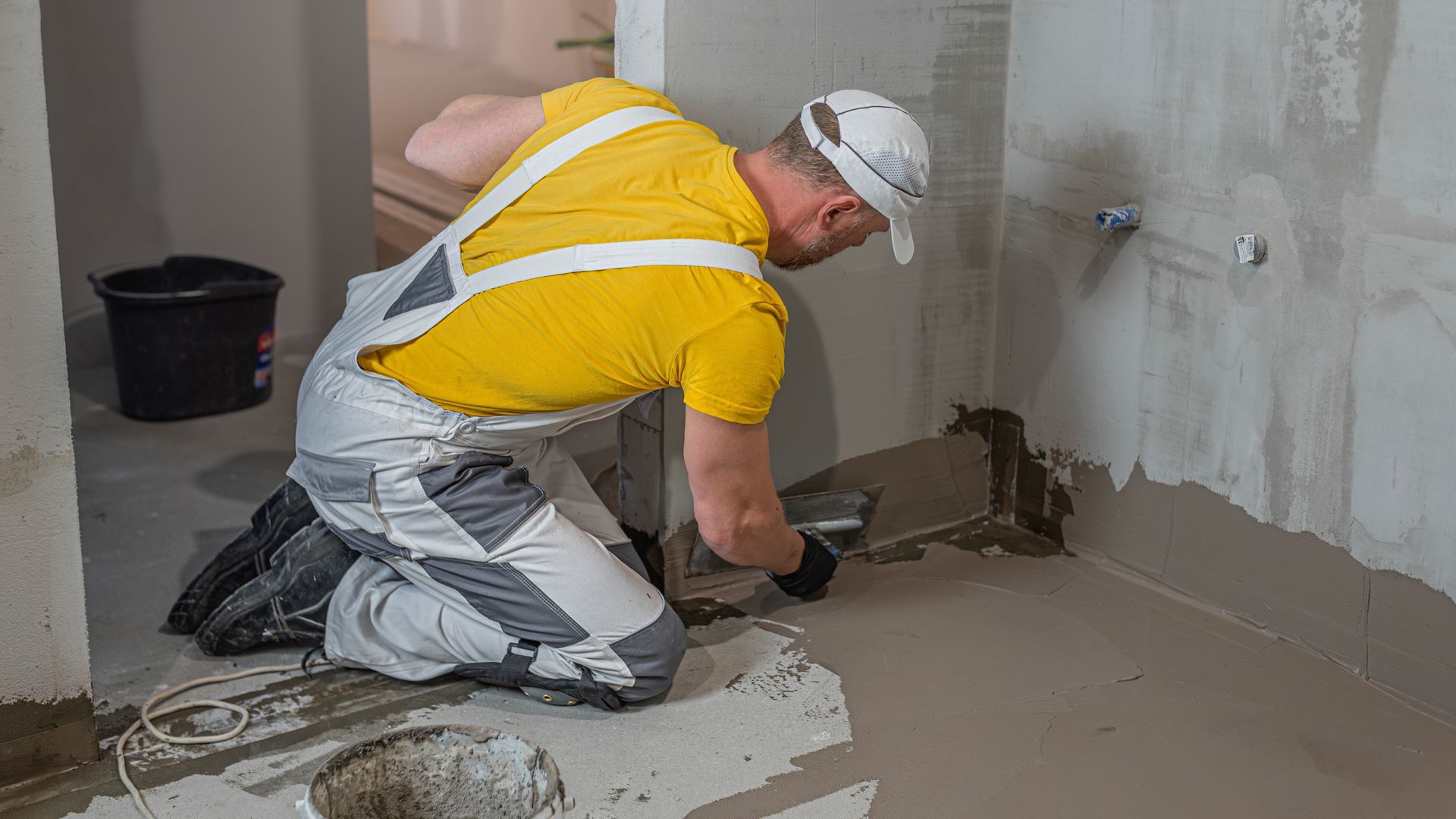
Professional waterproofing teams can identify hidden risks and offer solutions tailored to your specific home and site conditions. An annual inspection will assess the state of your foundation, basement, window wells, drainage systems, and more.
Protecting your Dundalk area home from winter-related water damage begins with proactive maintenance. Take the time to address these winter maintenance checkpoints, and you’ll significantly lower the risk of basement floods, mold, foundation cracks, and costly repairs. For expert help preparing your home for winter, reach out to Perimeter Water Solutions Corp. Our experienced technicians are ready to safeguard your property with industry-leading waterproofing services, foundation crack repair, sump pump installation, crawlspace encapsulation, and more. Give your home the protection it deserves this winter—get in touch today to schedule your comprehensive winter inspection and service.
Share This Blog