The Exact Reason Your Basement Window Wells Fill Up With Water
Fall storms in Guelph often bring a mix of heavy rain and falling leaves that test your exterior drainage systems. When you look out your basement window and see muddy water rising against the glass, you are facing an immediate flood risk. Perimeter Water Solutions Corp. finds that overflowing window wells are rarely an accident of nature but rather a mechanical failure of the materials underneath them. A proper window well excavation is the only way to reset the drainage and protect your interior drywall.
Water is heavy and exerts massive pressure against window seals that were never designed to hold back a rising tide. Once the water breaches the frame, it pours directly into your finished living areas and creates massive cleanup costs. Understanding why the water is not sinking into the ground helps you tackle the real issue. We look past the surface to correct the underlying drainage faults.
Inside This Guide:
- The Root Cause Of Rising Water
- How deep should gravel be in a window well?
- The Danger Of DIY Fixes
- Professional Methods For Permanent Drainage
The Root Cause Of Rising Water
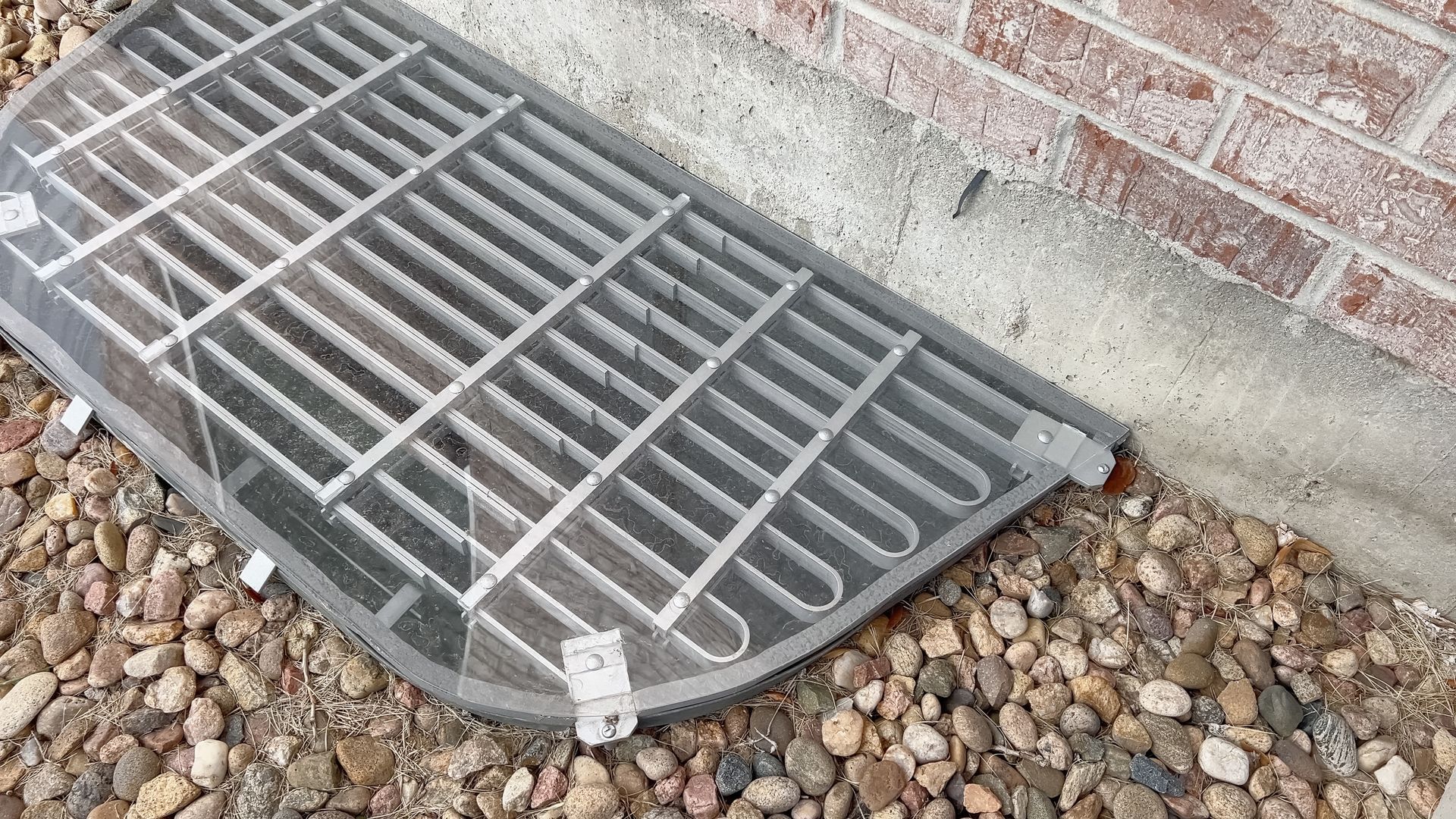
A window well is essentially a steel or plastic bucket bolted to the side of your house. Inside that bucket, there should be a clear path for rain to drain straight down into your weeping tile system. Over the years, wind blows topsoil, leaves, and lawn clippings into the well. This organic material breaks down and mixes with the gravel to create a thick mud barrier.
From a professional standpoint:
→ When dirt packs tightly into the gravel bed, it forms an impermeable clay plug that traps water against your glass.
Once that plug forms, the well acts like a swimming pool instead of a drain. Every new rainfall adds to the volume until it reaches the weakest point of your window frame. Homeowners often think the window itself is leaking, but the actual failure is happening two feet beneath the surface.
How deep should gravel be in a window well?
You need a solid bed of clear stone to ensure proper filtration before the water hits your perimeter drain. The gravel should start about four to six inches below the bottom lip of the window sill and extend downward for at least two feet. This depth provides enough volume to handle sudden downpours without the water ever reaching the glass. If your gravel sits right against the window frame, splashing water will slowly degrade the caulking and let moisture inside.
A quick tip to remember:
→ The gravel acts as a filter to keep heavy mud away from the vertical drainage pipe hidden beneath the stone.
The Danger Of DIY Fixes
When panic sets in during a storm, many people try to fix the issue by digging out the mud with a hand trowel. Scraping the surface dirt away does absolutely nothing to clear the compacted clay deeper down. Others try to plunge a piece of rebar into the gravel to open a hole. This blind stabbing usually cracks the plastic drainage pipe connected to the weeping tile.
From a professional standpoint:
→ Pouring chemical drain cleaners into a clogged window well poisons your surrounding soil and melts the corrugated pipes below.
If you damage the vertical drain pipe, dirt will pour directly into your main foundation drainage network. What started as a localized window well issue can easily turn into a massive failure of your entire basement waterproofing system.
Professional Methods For Permanent Drainage
Fixing the problem correctly requires a complete reset of the well environment. We excavate the entire space down to the weeping tile connection to remove every trace of the contaminated mud. We assess the vertical pipe to ensure it is not crushed or blocked by tree roots. If the pipe is damaged, we replace it and wrap it in a fresh geo-textile filter sock.
A quick tip to remember:
→ Replacing the old material with three quarter inch clear gravel guarantees water will drop instantly to the drainage pipe.
We then carefully backfill the well with clean stone to the proper height below the window sill. This process restores the mechanical function of the well and removes the water pressure entirely. Your glass remains dry and your basement stays protected regardless of how much rain falls.
Restore Your Yard Drainage Today
Ignoring a slow draining window well guarantees a flooded room during the next major storm. A professional reset takes away the worry and keeps the heavy autumn rains outside where they belong. Reach out to our crew to inspect your window wells and clear out the compacted soil. Call us today to get the work done right and secure your property.
Share This Blog