The Brutal Truth About Interior Basement Waterproofing Methods
Heavy fall rains in Mississauga often drive homeowners to search for quick fixes for their wet basements. Many property owners assume that applying treatments to the inside of their walls will stop water from hitting their house. Perimeter Water Solutions Corp. believes in telling clients exactly how water moves through soil and concrete.
Interior systems are incredibly effective for managing moisture and keeping your living space dry. However, they do not change the exterior soil conditions or stop the rain from reaching your foundation blocks. Setting realistic expectations ensures you understand exactly what you are buying when you invest in keeping your basement dry.
In This Article:
- The Misconception About Water Stoppage
- What Internal Waterproofing Actually Delivers
- Setting Realistic Timelines for the Curing Process
- Frequently Asked Questions
The Misconception About Water Stoppage
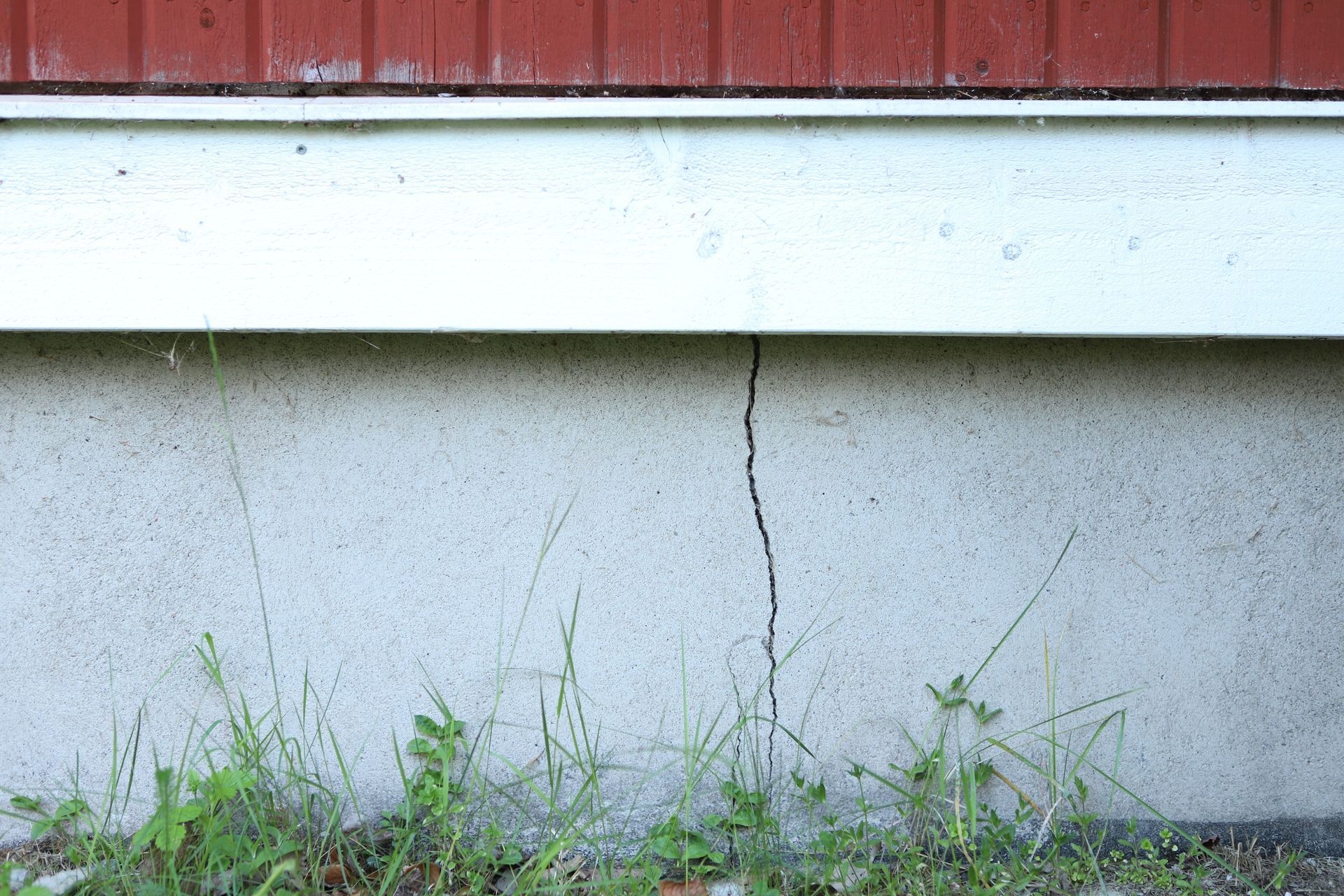
The most common misunderstanding in our industry is the idea that interior work forms a magical shield outside your house. When water saturates the soil around your home, hydrostatic pressure pushes that moisture against your exterior concrete. If your exterior walls have degrading tar or cracks, the water will enter the blocks.
A quick tip to remember:
→ No product applied to the inside of a basement wall can stop the dirt outside from getting wet and pushing against your foundation.
Treating the interior means we are dealing with the water as it passes through the concrete. It does not stop the structural pressure of the wet soil. If a homeowner has severe structural bowing from external pressure, exterior excavation is the only way to relieve that weight. Interior systems are designed for water management, not structural earth retention.
What Internal Waterproofing Actually Delivers
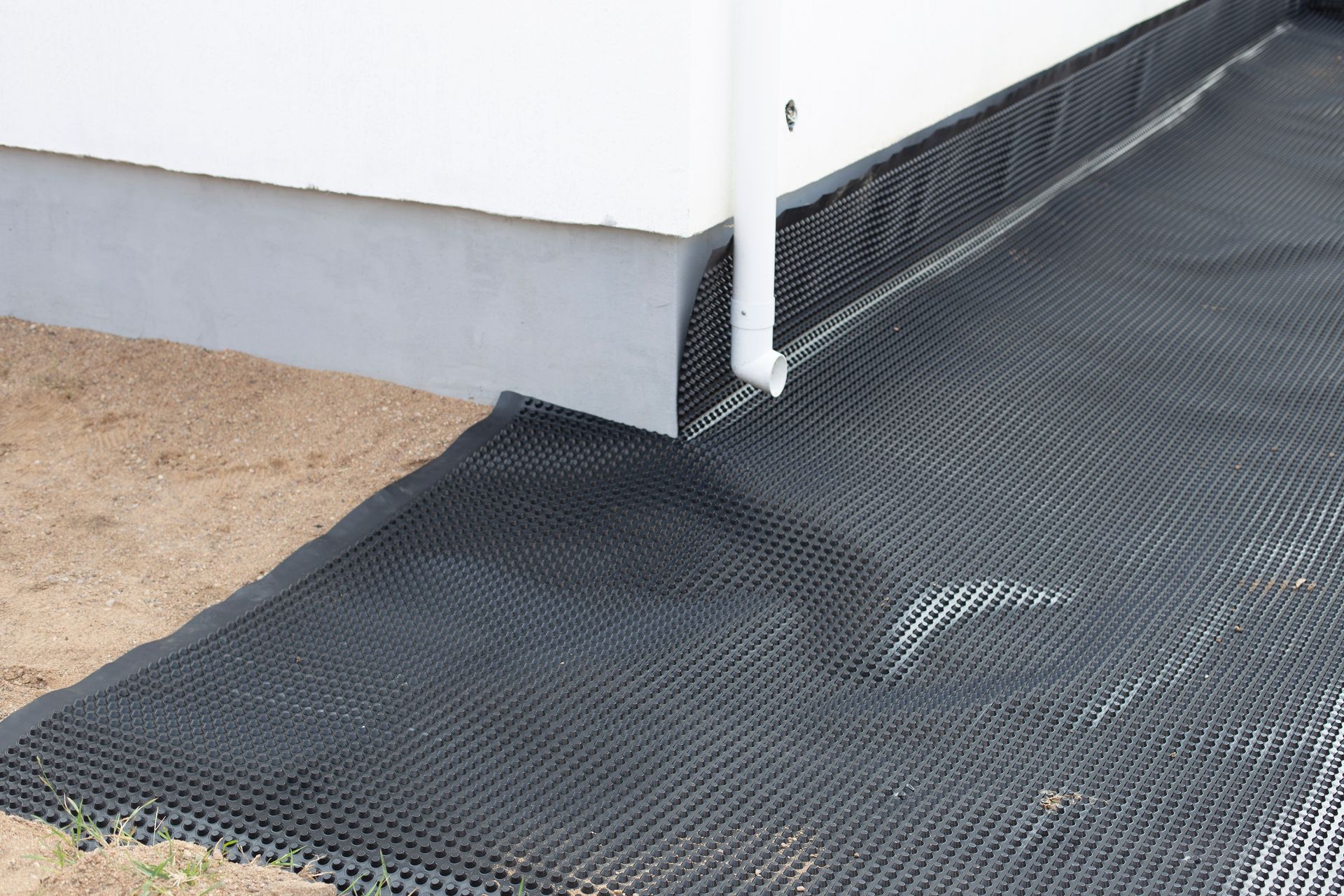
When we install an interior system, we are creating a controlled pathway for invading water. We apply high quality waterproof sealants directly to the cleaned concrete to block vapor transmission. Then we install an Armtec Platon foundation drainage board against the wall. This dimple board creates an air gap between the wet foundation and your future finished walls.
From a professional standpoint:
→ Internal waterproofing allows water to enter the air gap and immediately directs it down to a newly installed drainage pipe beneath your floor.
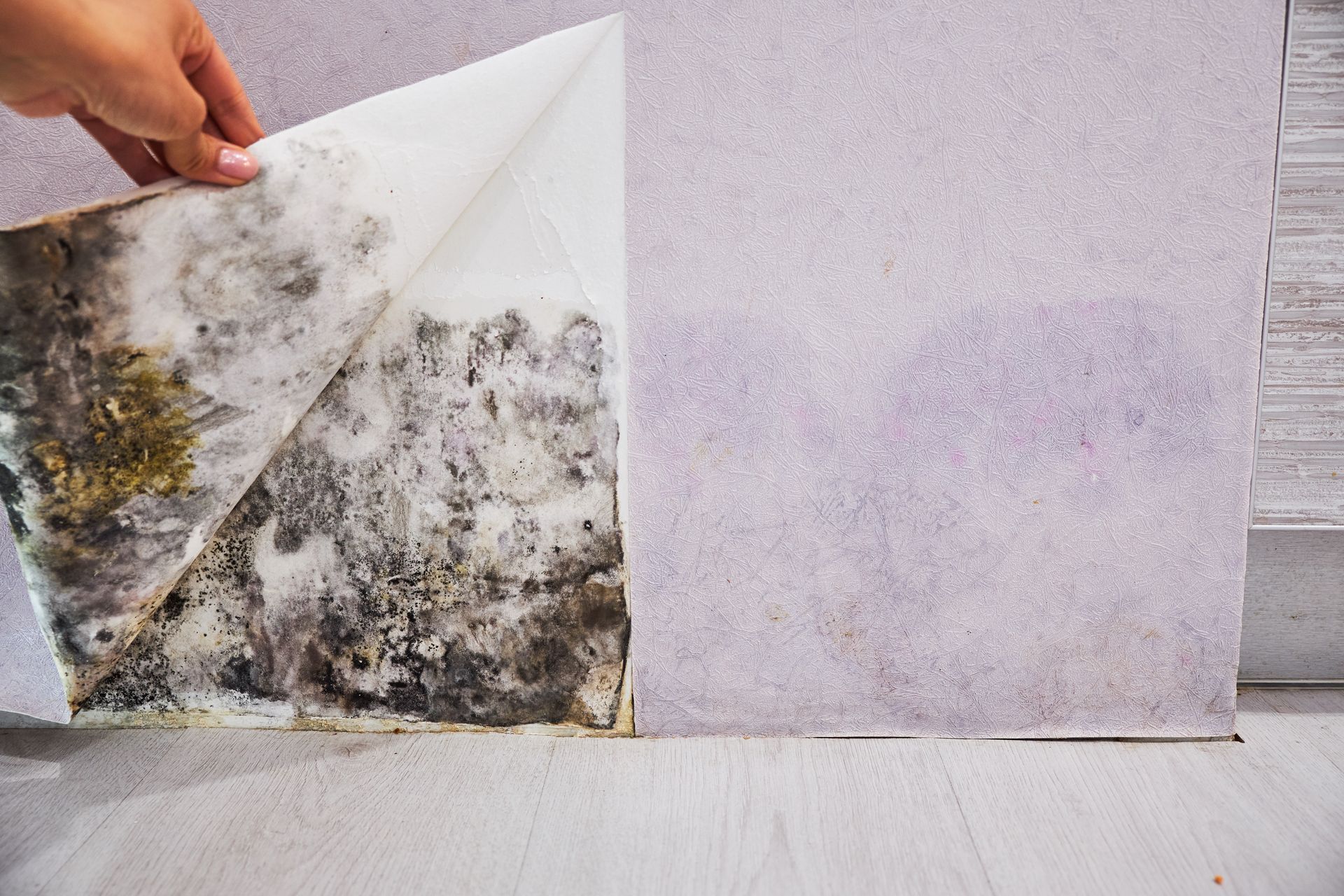
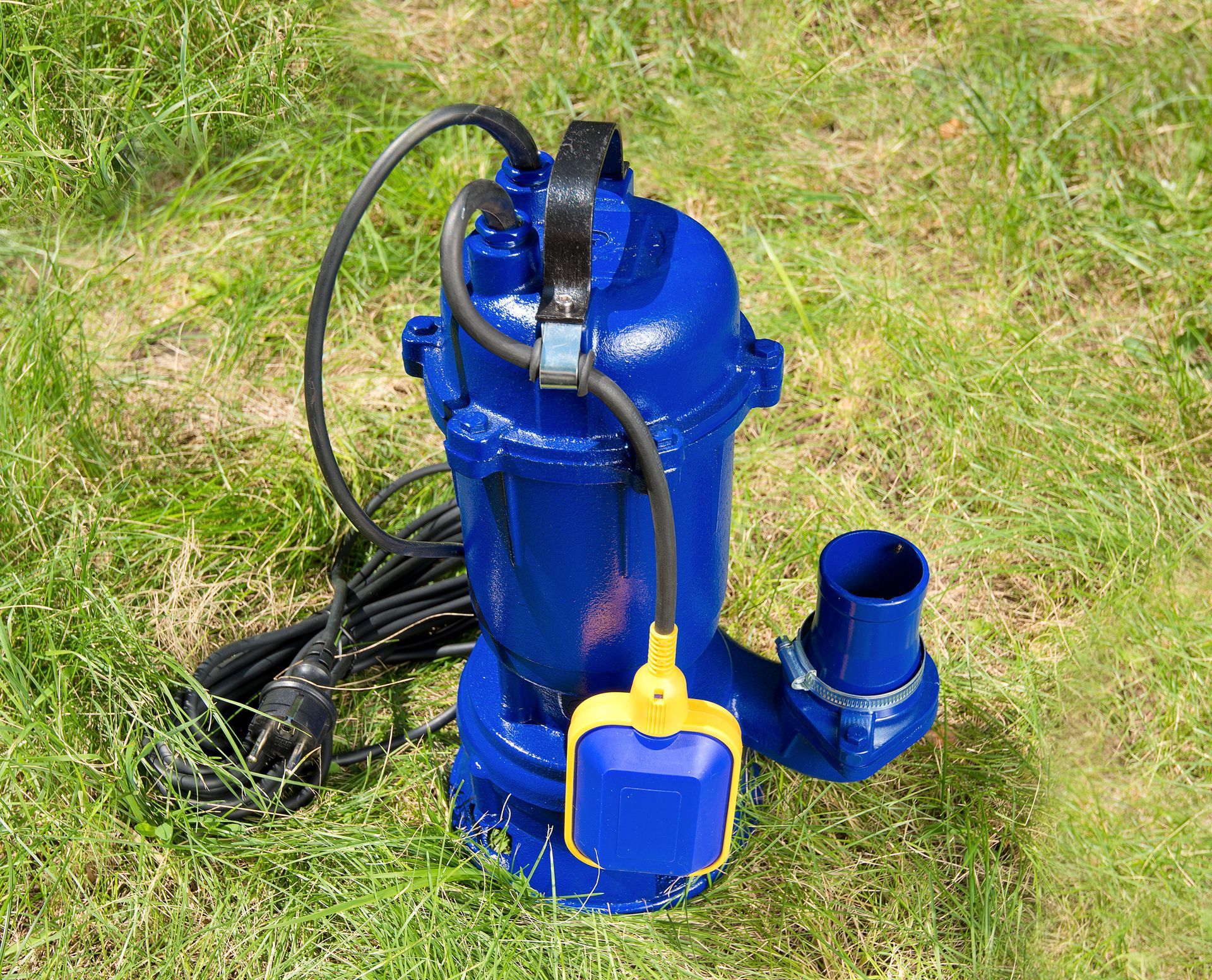
This process requires breaking open the perimeter of your basement slab to lay down perforated weeping tiles surrounded by a geo-textile filter sock and clean gravel. The water is safely channeled to a sump pit where it is pumped out of the house. The interior of your basement remains completely dry and free of mold, even though the exterior concrete is still technically interacting with wet soil.
Setting Realistic Timelines for the Curing Process
Applying internal sealants is not a one day job. The concrete must be thoroughly cleaned and any major voids filled with standard concrete mix. Once the Bakor sealant is applied, it needs time to cure properly before the dimple board is fastened over it.
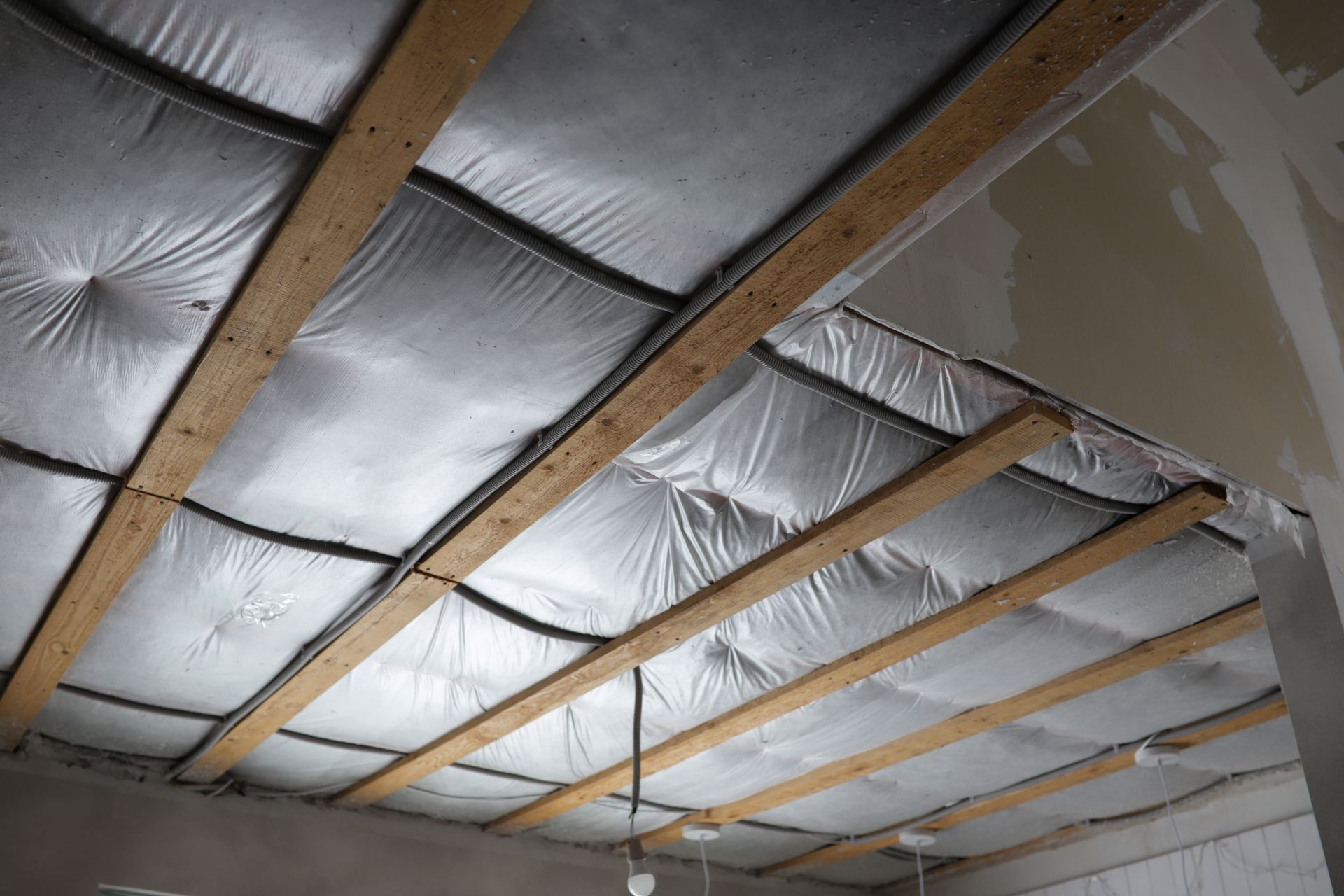
Depending on the humidity and temperature of your basement, this curing process takes several days. We cover the treated areas with poly sheeting to protect the sealant while it hardens. Rushing this step and sealing the walls behind drywall too early will trap uncured chemicals and ruin the entire vapor barrier. We respect the material science and allow the products the time they need to bond to your foundation.
Frequently Asked Questions
Does internal waterproofing fix foundation cracks?
No. While we fill large voids with concrete mix before applying surface sealants, this is not a structural repair. If you have active shifting cracks, we must perform a high pressure polyurethane crack injection to seal the fissure entirely before installing the drainage boards.
How long does a dimple board system last?
When installed correctly over a clean gravel trench, a high density polyethylene dimple board will last for decades. The plastic is highly resistant to rot and soil chemicals. As long as the weeping tile below it is not clogged with debris, the board will continuously channel water downward.
Can I finish my basement after internal waterproofing?
Absolutely. That is the primary goal of this service. Once the dimple boards are installed and the concrete floor is re-poured over the trench, you have a completely dry surface. You can safely frame your walls and hang drywall without fear of moisture ruining your new renovations.
Plan Your Basement Project The Right Way
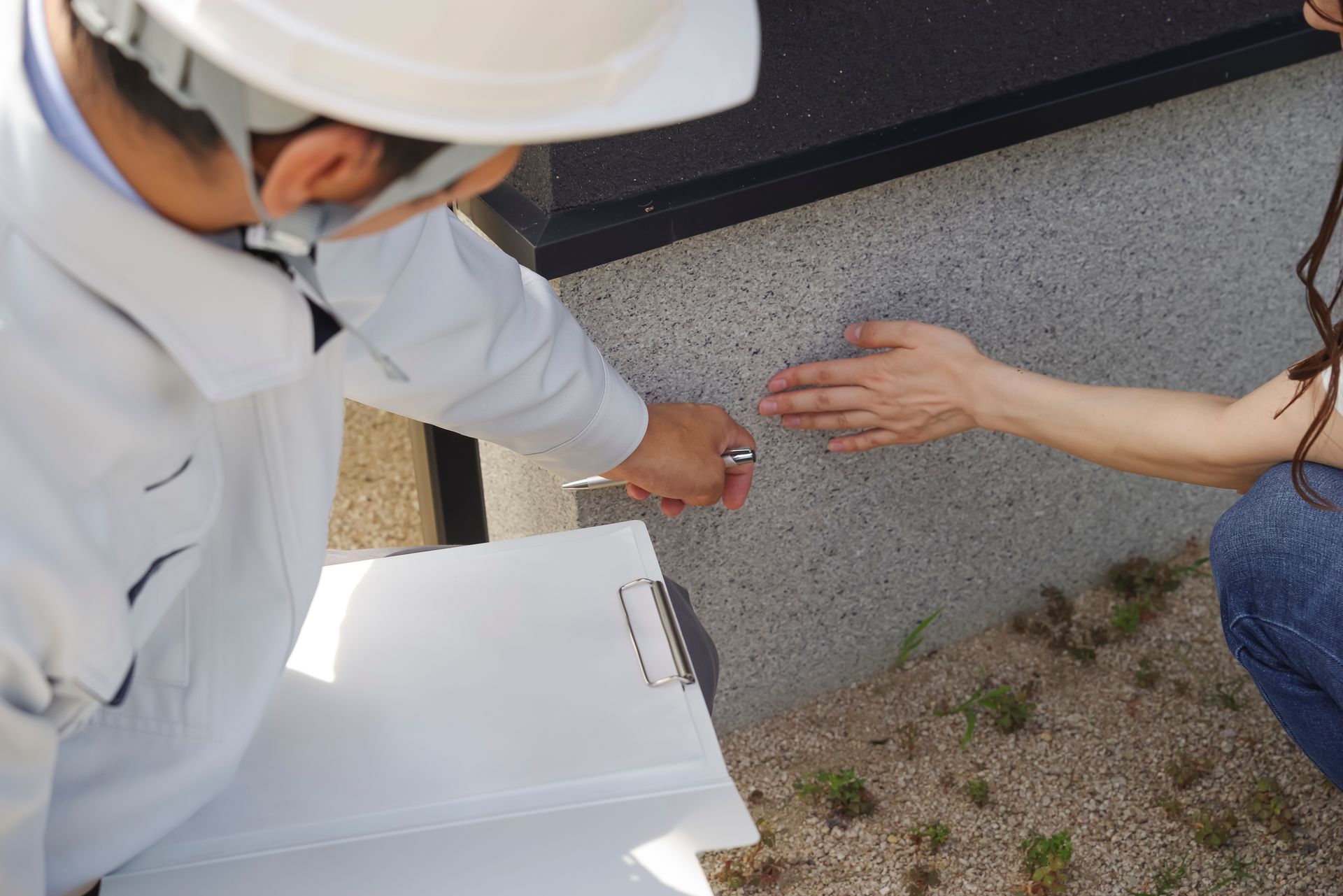
Understanding how water is managed allows you to finish your basement without worrying about future storms. A properly installed interior system guarantees that your drywall and flooring will never succumb to ground moisture. Contact our team to evaluate your foundation walls and map out a permanent drainage solution. Call us today to get the facts and secure your property from the inside out.
Share This Blog