Labour Day Yard Prep: Clear Signs Your Weeping Tiles Are Failing
Hosting friends and family for Labour Day is much harder when your yard is holding water. Many homeowners notice soggy patches on their lawn as late summer rains move through the Kitchener area. Perimeter Water Solutions Corp. regularly inspects properties where water is pooling near the foundation instead of draining away. This is often a direct result of a failing underground drainage system.
When water has nowhere to go, it eventually pushes against your basement walls and causes structural damage. Understanding how your perimeter drainage works is the first step to keeping your property completely dry. We focus on fixing the root cause rather than just patching the symptoms.
What We Cover:
- The Mechanics of Yard Flooding
- How do I know if my weeping tile is clogged?
- Why DIY Drain Cleaning Usually Fails
- Professional Weeping Tile Installation and Repair
- Securing Your Yard Before The Fall
The Mechanics of Yard Flooding
Your home relies on a network of underground pipes to move water away from the foundation. These pipes sit in a bed of gravel and collect ground water before it can build up hydrostatic pressure against your concrete walls. When soil and silt wash into the gravel bed over the years, the system chokes. The water backs up into the surrounding dirt and creates soft muddy patches across your lawn.
A quick tip to remember:
→ Pooling water on your lawn is usually the final symptom of an underground drainage failure that has been developing for years.
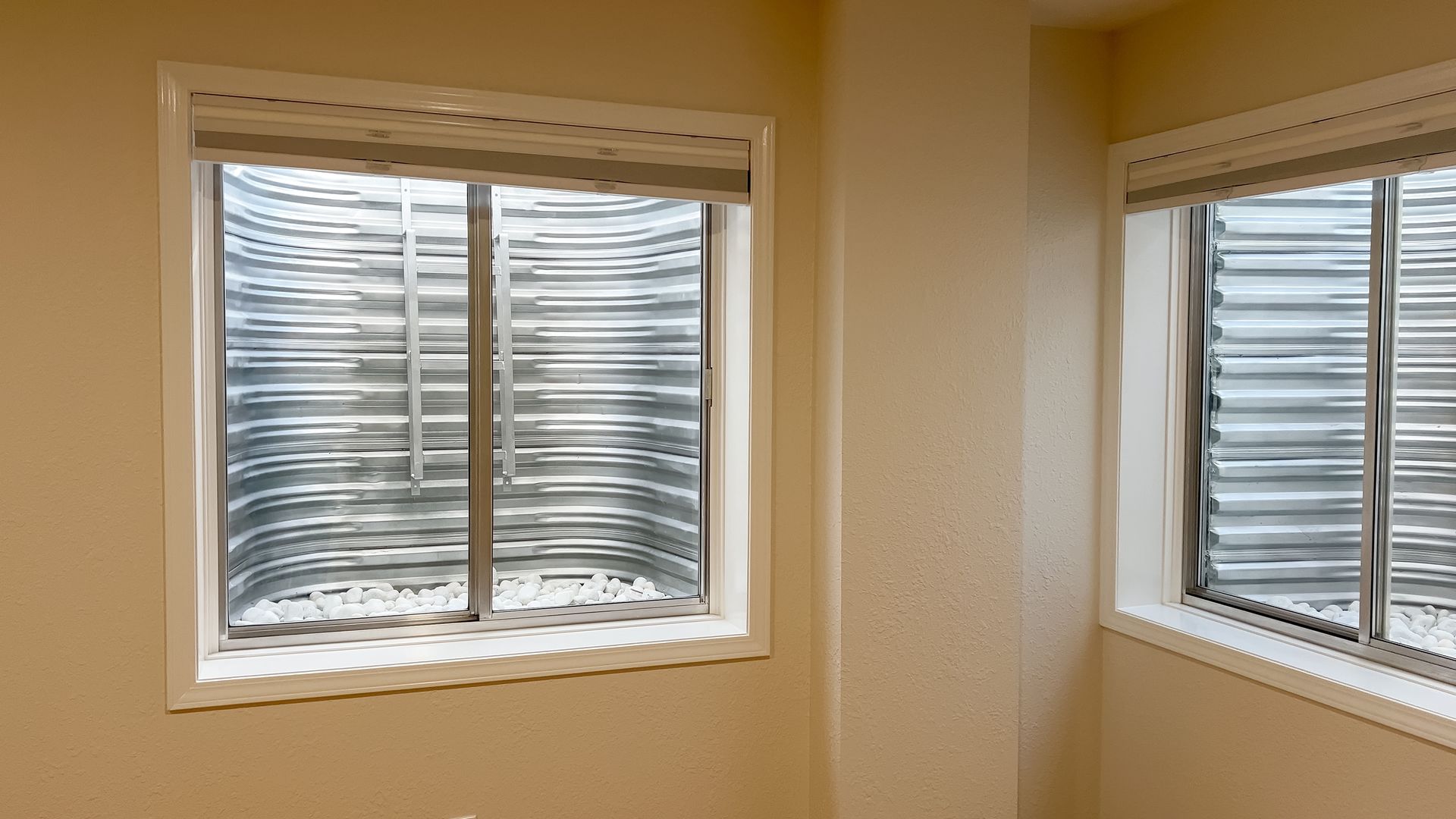
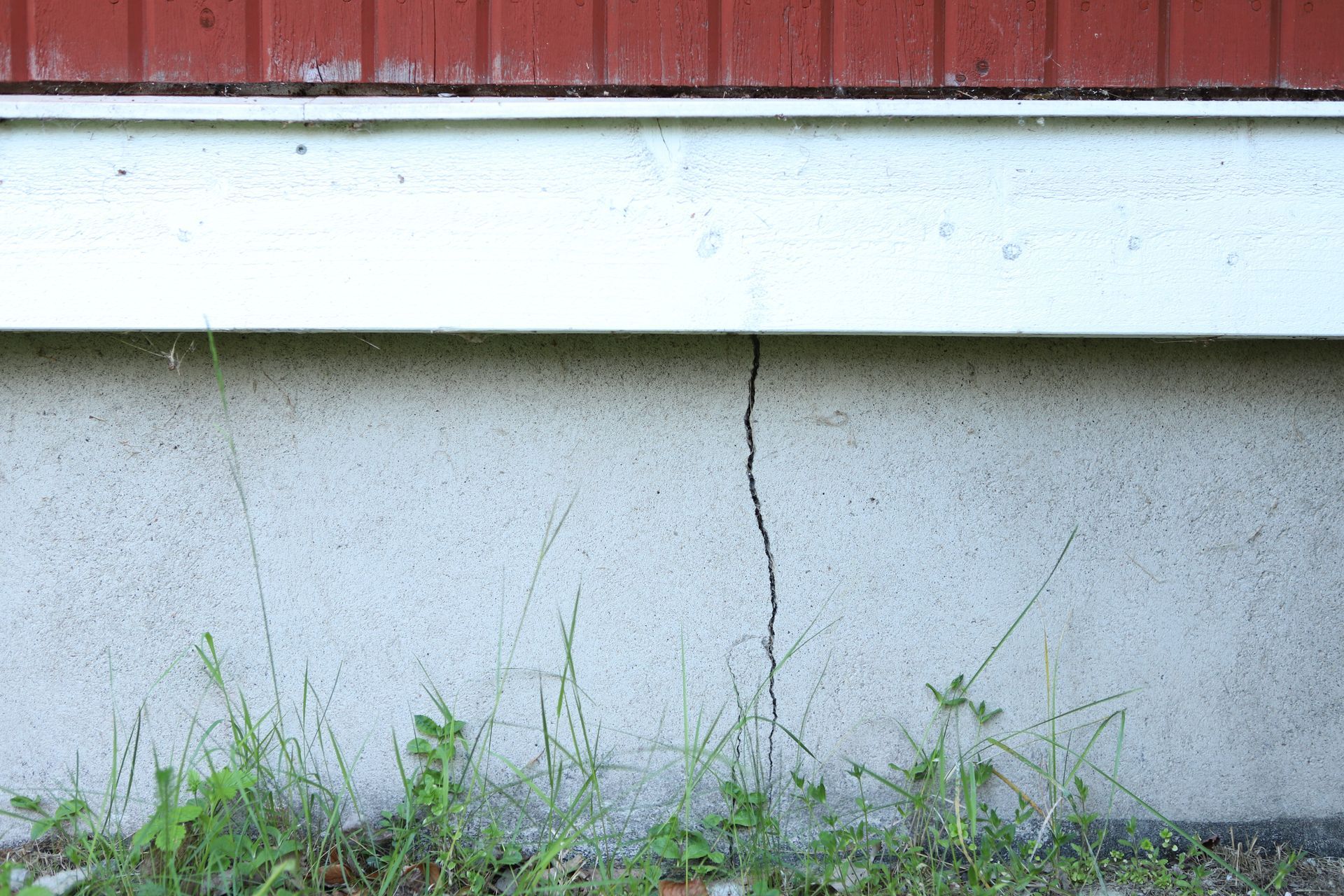
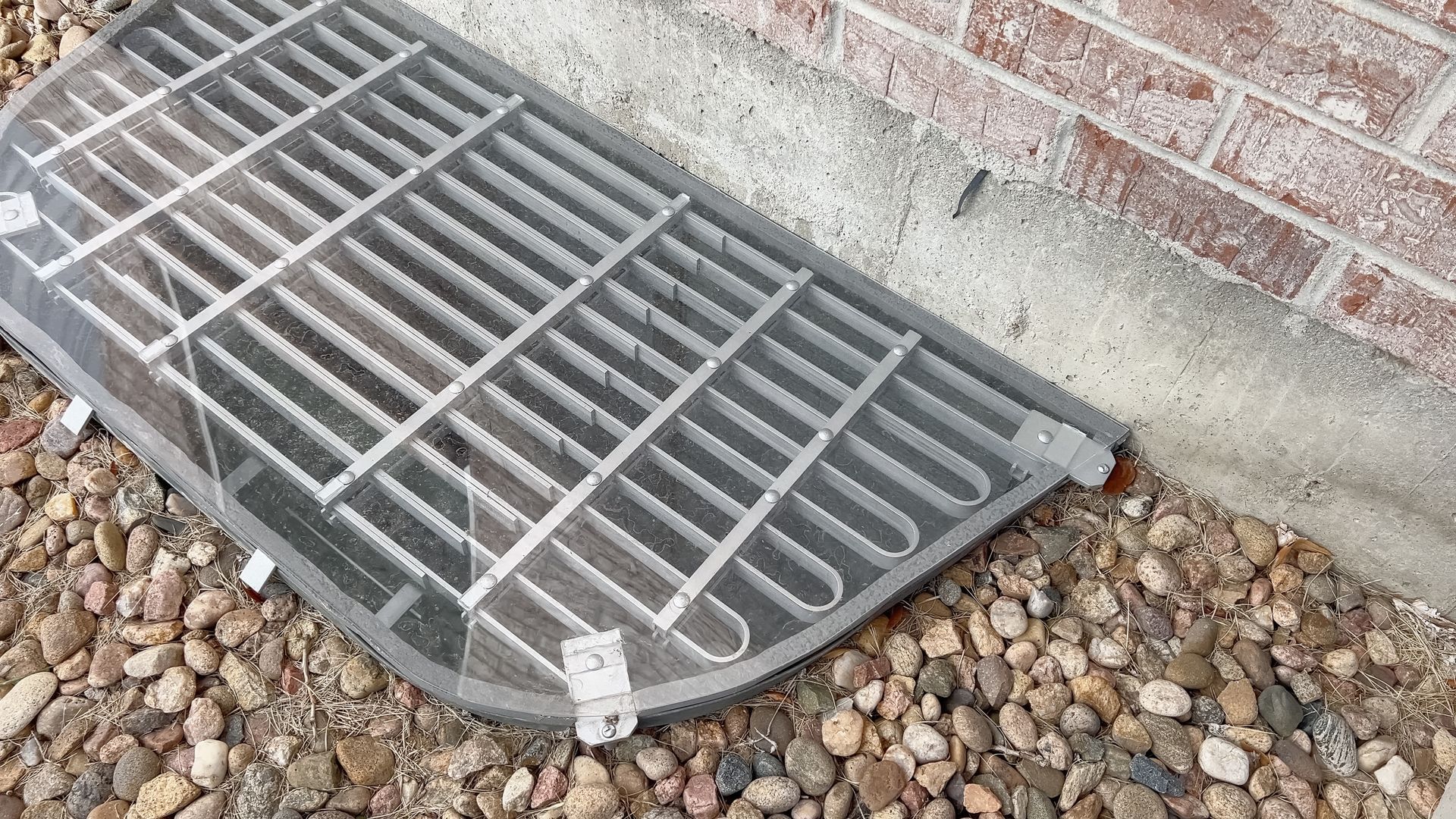
Ignoring these muddy patches often leads to larger issues like window well flooding. Once the ground is fully saturated, the excess water spills into the lowest entry points of your home. The pressure forces moisture through minor foundation cracks and ruins finished basements. Taking action when you first notice poor yard drainage prevents a much more expensive internal repair down the line.
How do I know if my weeping tile is clogged?
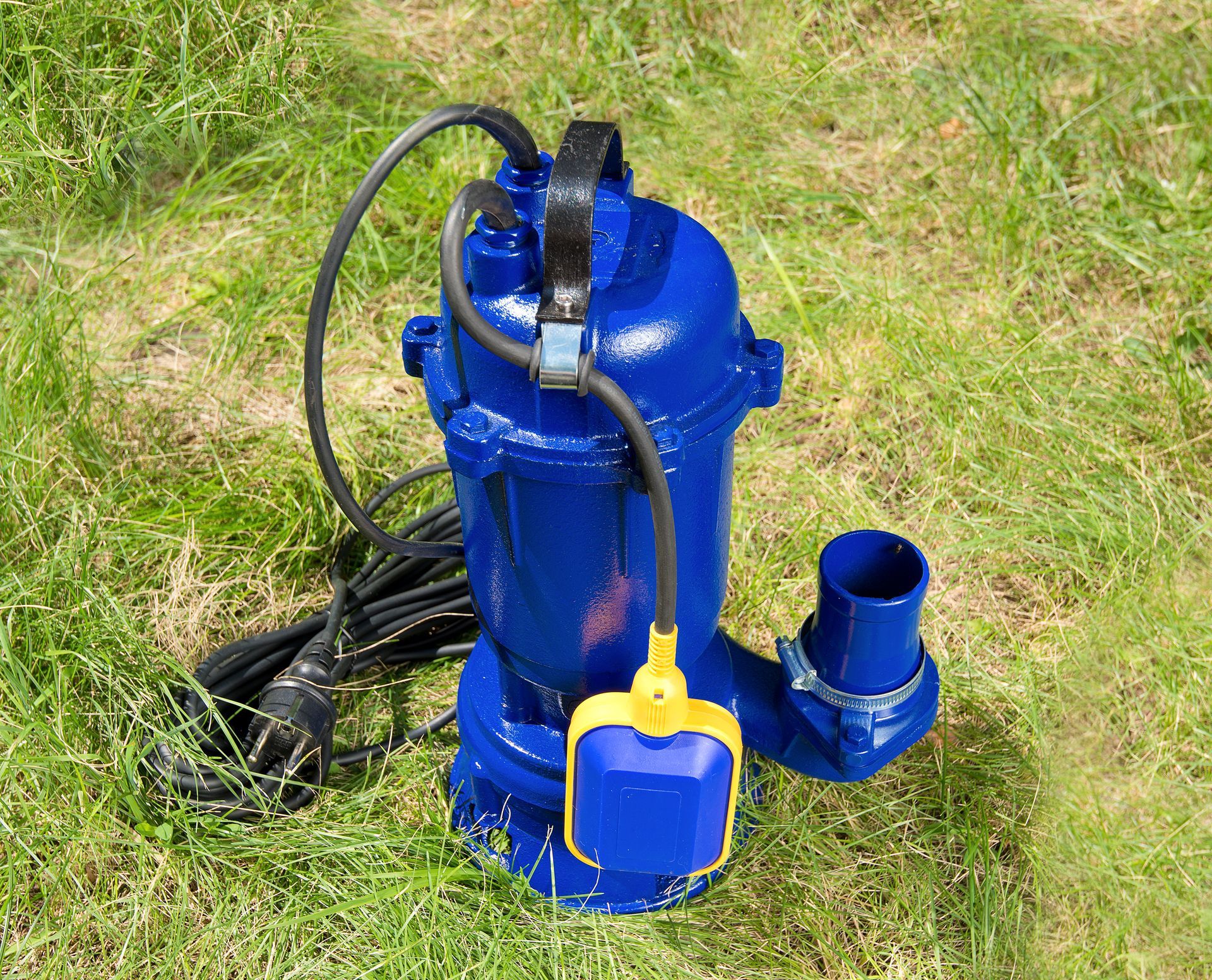
You will notice several clear warning signs when your underground drainage stops working. The most obvious indicator is persistent standing water near your foundation days after a storm has passed. You might also spot water stains on your interior basement walls or smell a deep musty odor when you walk downstairs. Another strong sign is a sump pump that runs constantly or one that never turns on at all during heavy rain. This happens because the water is blocked from reaching the sump pit entirely. If your window wells are filling up with muddy water, the underground pipe that is supposed to drain them is likely packed with solid dirt.
Why DIY Drain Cleaning Usually Fails
Homeowners often rent heavy duty drain snakes or pressure washers to clear out their exterior pipes. Pushing a mechanical snake through corrugated plastic pipes can easily tear the material and collapse the entire line. Most residential systems also use a geo-textile filter sock wrapped around the pipe. If you puncture that protective fabric from the inside, dirt will pour into the line and create a permanent blockage.
From a professional standpoint:
→ Forcing high pressure water into a blocked foundation drain usually pushes the mud deeper into the system until it solidifies like concrete.
Chemical drain cleaners are equally dangerous for these systems. Pouring harsh chemicals into your yard introduces toxic elements to your soil and damages the plastic components of your drainage network. The only reliable way to fix a buried blockage is to expose the pipe safely. Attempting a blind fix from the surface almost always results in a full system replacement later.
Professional Weeping Tile Installation and Repair
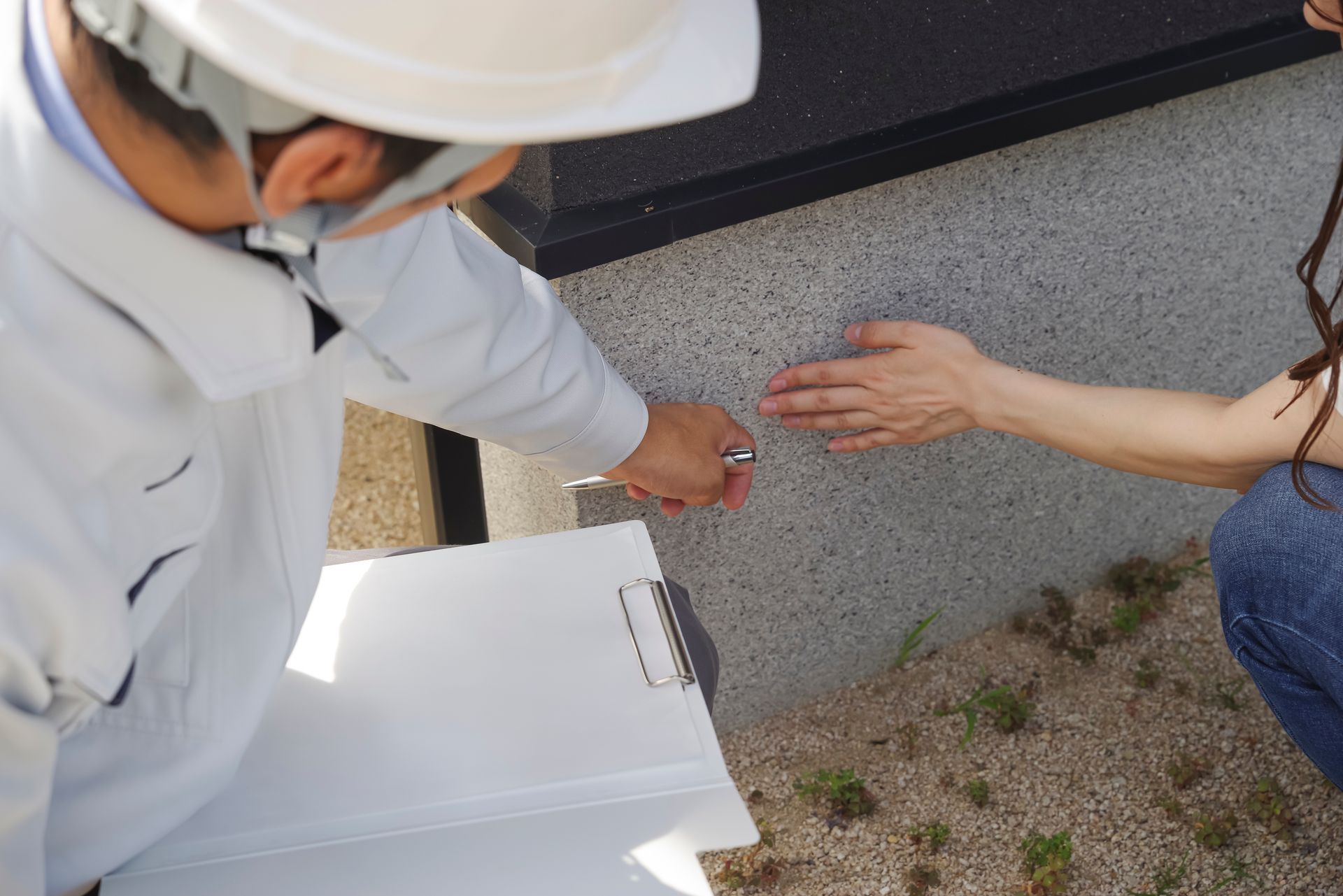
A permanent solution requires physical excavation to remove the compacted mud and ruined materials. We dig down to the footings to assess exactly where the system has failed. Sometimes only a section of the pipe is crushed by tree roots and requires a targeted repair. In older homes where clay tiles have collapsed, a full weeping tile installation is necessary to protect the structure.
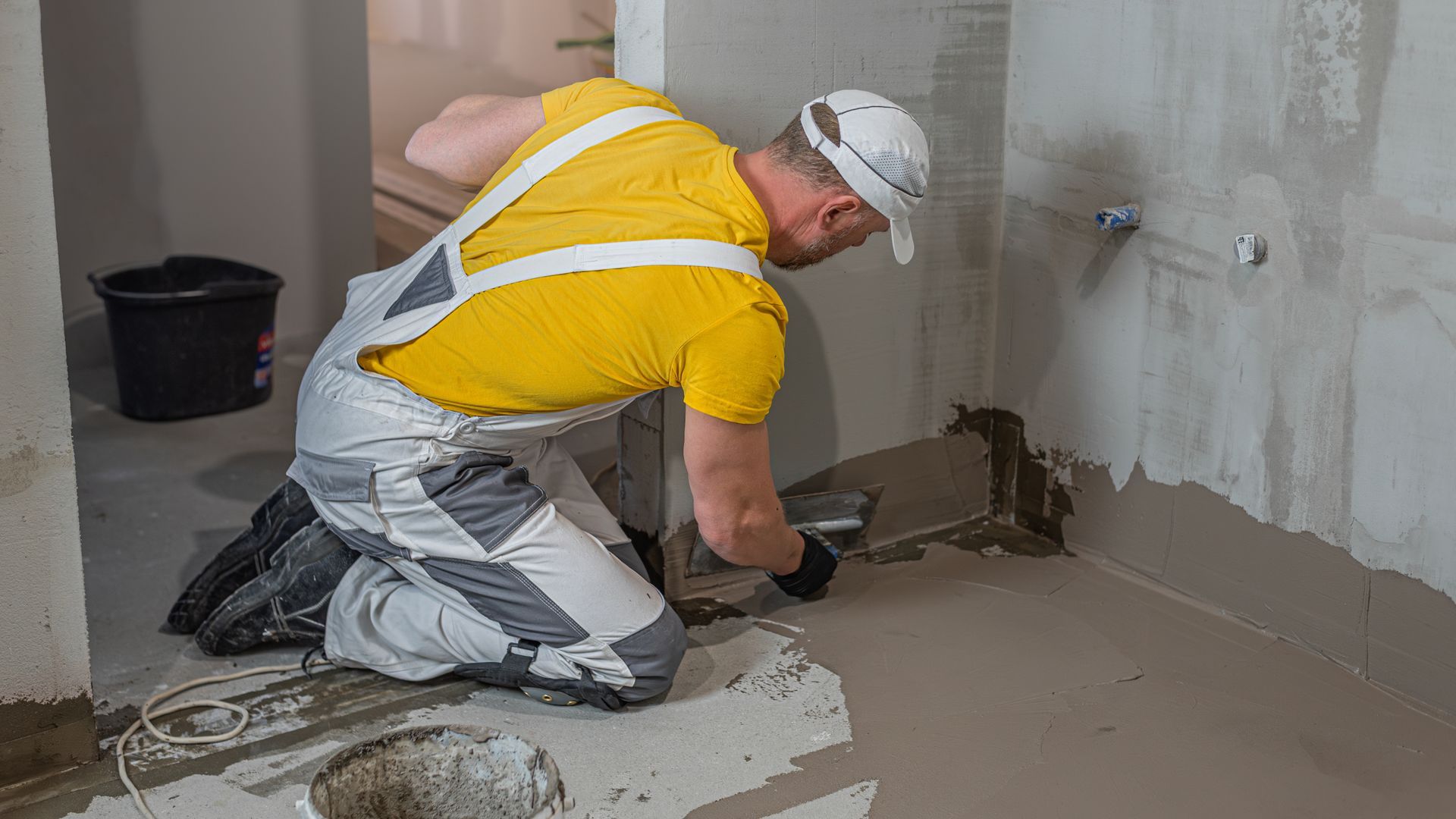
We install durable perforated pipes covered by a new geo-textile filter sock to block future sediment. We then surround the new pipe with clean three quarter inch gravel to guarantee optimal filtration. This creates an open channel for groundwater to flow directly away from your home or into your sump pit. Replacing the old clogged system restores the natural drainage of your yard and protects your foundation from structural shifting.
Securing Your Yard Before The Fall
Taking care of soft ground and standing water now ensures your property is ready for the changing seasons. A functioning drainage system keeps your foundation secure and your basement perfectly dry. Schedule a site visit with our team to evaluate your yard and get a clear picture of what your property needs. Call us today to book an inspection and stop the water damage before it reaches your interior walls.
Share This Blog