What Actually Happens During A Major External Waterproofing Job
Falling autumn leaves in Collingwood often mask the pooling water building up around older foundations. Many homeowners know they need external waterproofing to save their structural blocks but hesitate because they fear the excavation process. Perimeter Water Solutions Corp. believes in complete honesty regarding the mess and disruption that comes with moving tons of earth. Digging up the perimeter of a house is a major construction event that temporarily turns your yard into a worksite.
Homeowners often underestimate the sheer volume of dirt that must be removed to expose a basement wall. We are not just digging a shallow garden trench. We have to excavate down to the base footings of your house to apply sealants and lay down proper drainage pipes. Setting clear expectations about the worksite allows you to plan your daily life around the project without any sudden surprises.
What We Cover:
- The Reality of Property Disruption
- Realistic Timelines for Excavation and Repair
- How Homeowners Can Prepare for the Mess
- Frequently Asked Questions
The Reality of Property Disruption
The most common misunderstanding about exterior drainage work is the idea that the landscaping will remain untouched. To safely reach the bottom of your foundation walls, our crews need wide access for machinery and soil storage. Heavy mini excavators must drive over the grass to pull out the dirt and dump it safely nearby.
A quick tip to remember:
→ The soil we remove expands in volume by nearly thirty percent once it is out of the ground, requiring significant space in your yard for temporary storage.
Shrubs, garden beds, and sometimes patio stones located directly against the house must be removed before the digging starts. We prioritize safety and structural integrity over delicate garden plants. Our goal is to stop water from destroying your home, which means the immediate perimeter must be completely cleared.
Realistic Timelines for Excavation and Repair
The speed of an exterior project depends heavily on the weather and the composition of your local soil. Heavy clay takes longer to remove safely than loose sandy loam. Generally, a standard residential wall takes several days from the first scoop of dirt to the final backfill.
A quick tip to remember:
→ Rain delays are common in the fall because applying liquid rubber sealants to wet concrete ruins the adhesion process entirely.
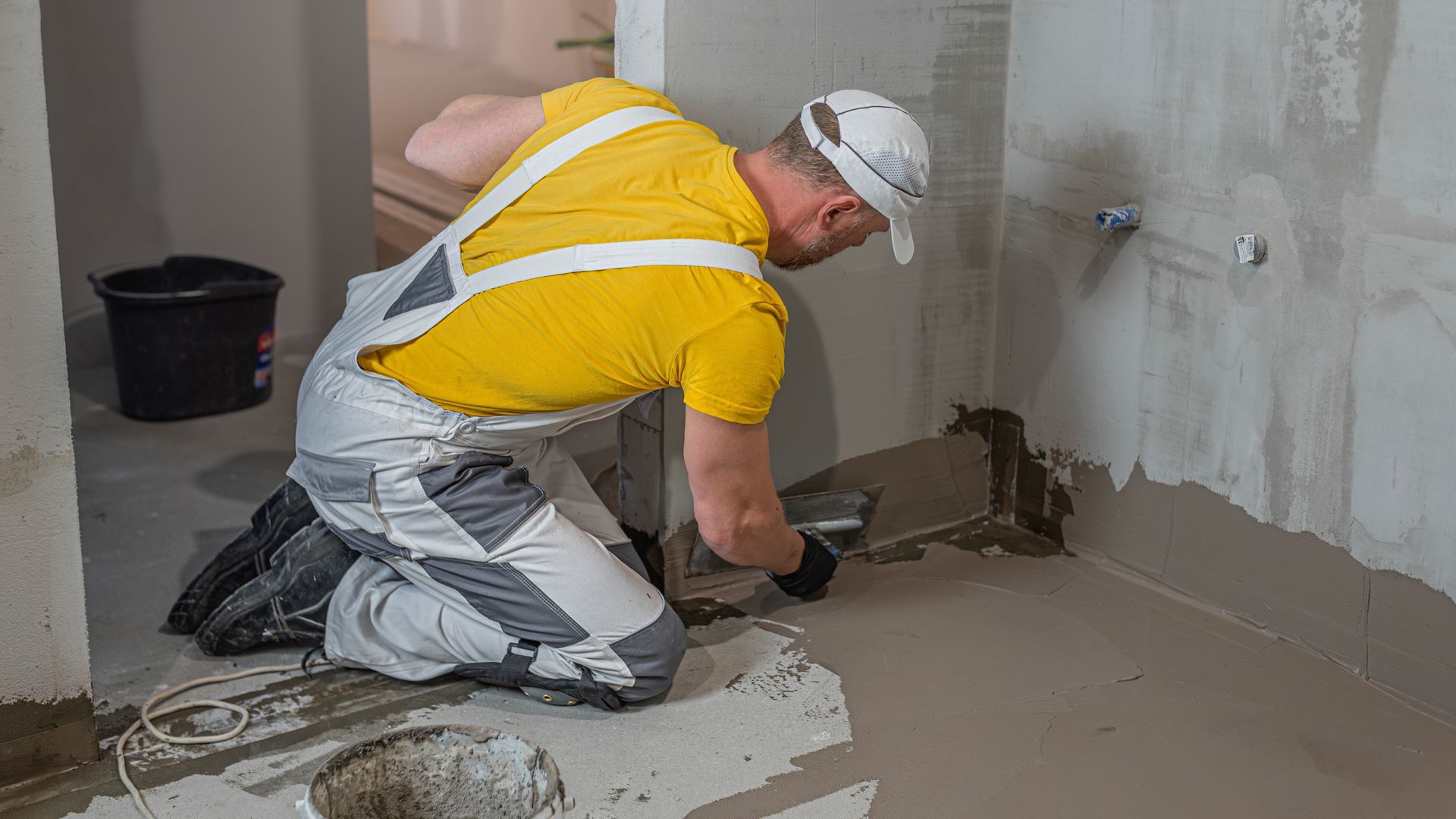
Once the trench is open, we must clean the concrete, drill necessary weep holes in the hollow blocks, and apply the waterproof layers. The curing time for the sealants cannot be rushed. After the walls are protected with dimple board and new weeping tiles are laid in a bed of clean gravel, we slowly push the earth back into the trench.
How Homeowners Can Prepare for the Mess
You can greatly reduce your own stress by preparing the work area before our machines arrive. Relocate any valuable patio furniture, potted plants, and garden decorations to a safe area far from the foundation.
A quick tip to remember:
→ Removing delicate plants and placing them in temporary pots ensures they survive the heavy construction phase.
Expect a significant amount of dust and noise during the working hours. We recommend keeping your windows tightly closed to stop dirt from blowing into your living areas. Understanding that the yard will look rough for a few days helps you focus on the permanent protection being added to your foundation.
Frequently Asked Questions
Will external waterproofing ruin my driveway?
If the leaking wall runs parallel to your driveway, we must cut and remove that section of the asphalt or concrete to access the foundation. We make clean surgical cuts to limit the damage, but that specific strip of driveway will need to be repaved by a specialist after the soil settles.
How long does the excavation process take?
For a typical single wall, the excavation alone takes one to two days depending on the soil density and machine access. The entire process of digging, cleaning, sealing, and backfilling usually spans three to five days under normal weather conditions.
Do contractors replace the landscaping after trenching?
We backfill the trench with the excavated soil and ensure the final grading slopes sharply away from your house. However, we are waterproofing experts, not landscapers. Homeowners are responsible for replanting their shrubs, laying new sod, or hiring a landscaping crew to restore the garden aesthetics after the earth settles.
Get Your Foundation Protected Today
Accepting a few days of muddy yard work is a small trade off for a basement that stays completely dry during the worst storms. A proper exterior seal adds decades of life to your structural walls and prevents massive internal flooding. Contact our crew to assess your property layout and discuss the excavation requirements. Call us today to secure your foundation before the ground freezes solid.
Share This Blog